
Old quarters, coastal towns, and mountain landscapes
Vietnam travel guide: routes, costs and the best months by region
Updated
Vietnam at a glance
Vietnam suits a north-to-south trip of about two weeks: Hanoi and Ha Long Bay, the central coast around Hue and Hoi An, then Ho Chi Minh City. Budget travellers spend about US$20-35 a day and mid-range travellers US$45-65. The best months differ by region; March and April work across the whole country.
| Best months | By region: north October-December and March-April, centre February-May, south December-April |
|---|---|
| Trip length | 2 weeks from Hanoi to Ho Chi Minh City; 5 days for one region |
| Daily budget | US$20-35 backpacker, US$45-65 mid-range |
| Visa | 45 days visa-free for UK and 18 EU passports; US$25 e-visa for US, Australian and Canadian passports |
| Currency | Vietnamese dong (VND), about 25,600 to US$1 (November 2026) |
| Main gateways | Hanoi Noi Bai (HAN), Ho Chi Minh City Tan Son Nhat (SGN), Da Nang (DAD) |
| Getting around | Domestic flights and the Hanoi-Ho Chi Minh City railway between regions; Grab and metered taxis in cities |
Where to stay
Find hotels in Vietnam
Choose a destination to check live rates and availability for your dates.
How many days do you need in Vietnam?
Two weeks covers Vietnam from Hanoi to Ho Chi Minh City at a steady pace; five days is enough for one region.
A typical two-week route runs Hanoi (2 days), a Ha Long Bay cruise (2 days), Hue by overnight train, Hoi An, a beach stop in Da Nang or Nha Trang, Ho Chi Minh City and the Mekong Delta, then flies out of the south. With five days, the 5 days in Vietnam itinerary takes the overnight train from Hanoi to Hue and finishes in Hoi An via the Hai Van Pass. Three weeks leaves room for Sapa, Dalat or Phu Quoc.
Combining countries? Vietnam is one leg of the 2-week Southeast Asia itinerary and the 1-month route.
Where should you go in Vietnam?
On a first trip, fly into Hanoi, work south through the centre and leave from Ho Chi Minh City, or do the reverse.
- North: Hanoi for the Old Quarter and street food, Ha Long Bay for an overnight cruise, Sapa for rice-terrace trekking.
- Centre: Hue for the imperial citadel, Hoi An for the old town and tailors, and Da Nang, the beach city whose airport serves both (Hoi An is about 30 km away).
- South: Ho Chi Minh City, then Phu Quoc for beaches, Dalat for cooler highland air or Nha Trang on the coast.
Choosing a boat for the bay: Ha Long Bay cruise guide.
How much does Vietnam cost per day?
Budget travellers spend about US$20-35 a day in Vietnam and mid-range travellers US$45-65, before flights.
On a budget, dorm beds and basic rooms in Hanoi or Ho Chi Minh City cost US$4-10, a bowl of pho 30,000-50,000 dong and a banh mi about 20,000 dong. Mid-range means a 3-4 star hotel or good homestay at US$15-28 a night and Grab rides between sights. A Ha Long Bay cruise is usually the biggest single extra. ATMs often cap each withdrawal at about 2,000,000 dong (roughly US$80), so plan for several.
Two weeks costs about US$610-1,080 including US$200 for flights. Full breakdown: Vietnam travel costs and daily budget.
When is the best time to visit Vietnam?
It depends on the region: the north is best October to December and March to April, the centre February to May, and the south December to April.
March and April are the months that suit all three regions. Avoid the north from June to September (heavy rain) and the central coast from September to November, the typhoon season, when Hoi An often floods. The south's wet season runs May to November but usually comes in short bursts; Phu Quoc is wettest July to September. Sapa can drop to near freezing in winter.
Month-by-month tables: best time to visit Vietnam by region.
Do you need a visa for Vietnam?
It depends on your passport: UK citizens and 18 EU nationalities get 45 days visa-free, while US, Australian and Canadian citizens need an e-visa (US$25 for a single entry of up to 90 days).
The 45-day list includes Germany, France, Italy, Spain, the Netherlands, Denmark, Sweden, Finland, Norway, Japan and South Korea, and requires a passport valid for 6 months plus an onward or return ticket. Ireland, Portugal, Austria, Greece and five other EU states still need the e-visa. Apply only on the official Vietnam e-Visa portal and allow 3-5 working days; avoid agents selling visa-on-arrival letters. Vietnam has no online arrival card.
Every passport, with official links: visa requirements for Vietnam and the Vietnam visa on arrival guide.
Is Vietnam safe?
The problems UK government advice reports most often in Vietnam are petty theft and transport or drink-related scams, not violent crime.
- Bag snatching by thieves on motorbikes is common: carry bags on the side away from traffic.
- Taxis: use metered cabs from larger firms or Grab, check the car and driver match the app, and turn down unsolicited "free" hotel transfers at airports and stations.
- Passport as a deposit: never leave it with motorbike rental shops or landlords.
- Drinks: spiking and methanol-contaminated alcohol have both been reported; buy your own drinks and keep them in sight.
Emergency numbers: police 113, fire 114, ambulance 115. Operators speak Vietnamese only.
SIM cards and eSIMs in Vietnam
Buy a prepaid SIM from Viettel, Vinaphone or Mobifone at the airport on arrival or from a phone shop; you must show your passport to register it.
Vietnam's tourism authority says all three networks have good coverage, data-only SIMs cost roughly 100,000-200,000 dong depending on the allowance, and top-ups come in amounts of 20,000-100,000 dong. A local number is worth having: the official airport guide notes that Grab and other ride-hailing apps need a Vietnamese SIM, which matters most on arrival in Hanoi and Ho Chi Minh City.
Getting around Vietnam
Fly or take the train for the long hops between north, centre and south, and use Grab or metered taxis in cities.
- Hanoi Noi Bai (HAN): about 27 km from the centre. The orange 86 Express bus runs through central Hanoi to the railway station; taxis and Grab take about an hour.
- Ho Chi Minh City Tan Son Nhat (SGN): 8 km from the centre, often 50 minutes by taxi in traffic. Bus 109 ends in the backpacker district.
- Da Nang (DAD): about 5 km from the city. The Hoi An Express shuttle leaves from gate A4 in domestic arrivals.
The Reunification Express links Hanoi and Ho Chi Minh City; book sleepers early for October-December and Tet. Flights from Da Nang take about 1.5 hours to either end. UK advice notes bus crashes are more likely at night.
Explore Vietnam
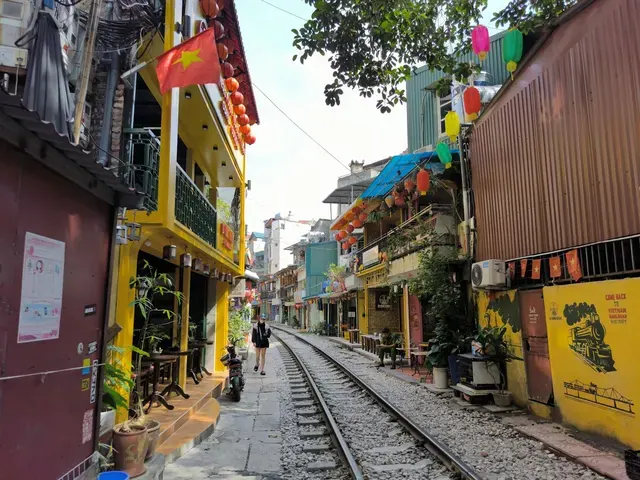
Hanoi
Centuries-old architecture, rich culture, and legendary cuisine.
Hanoi travel guide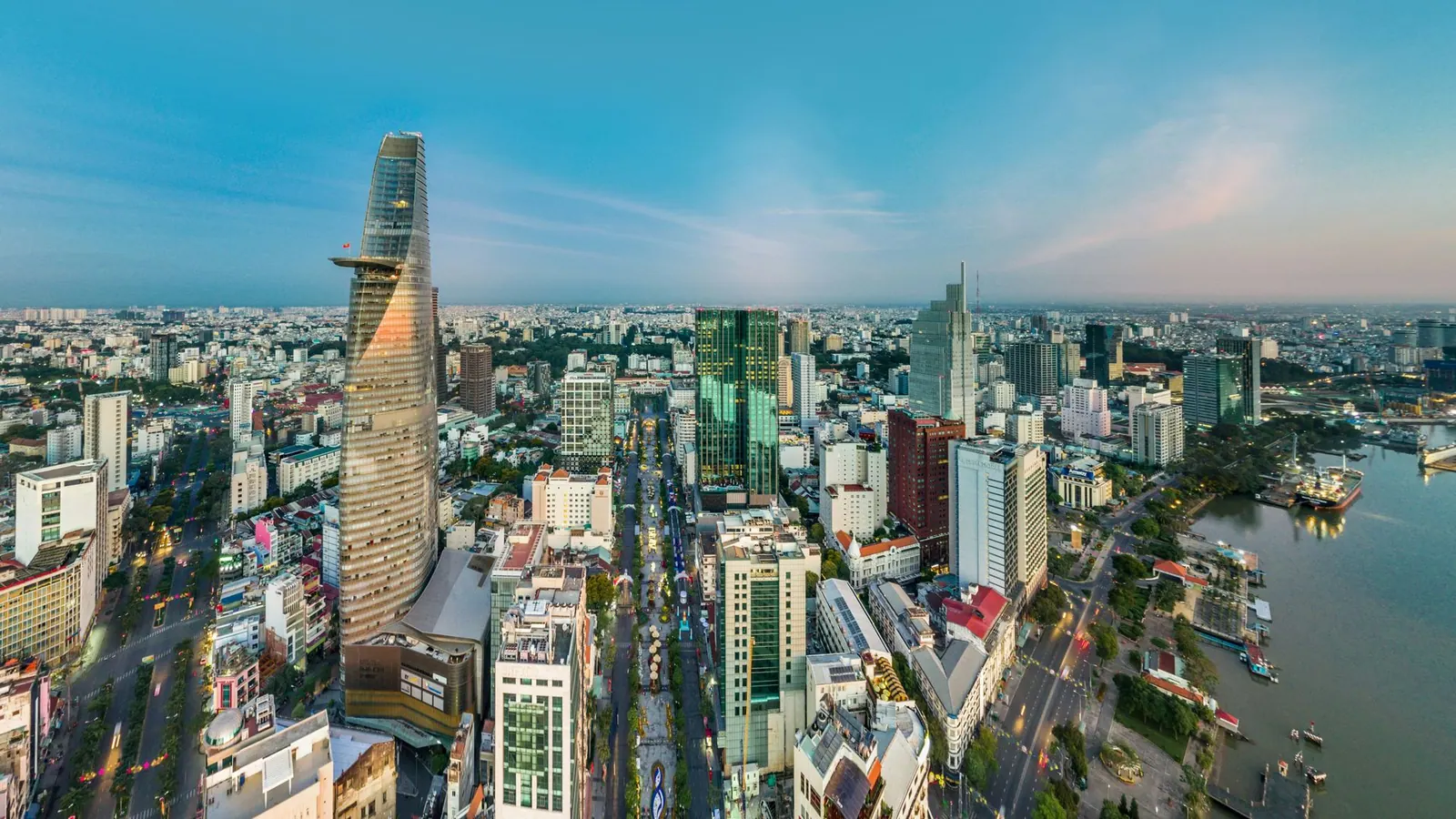
Ho Chi Minh City
Dynamic metropolis blending French colonial heritage with modern energy.
Ho Chi Minh City travel guide
Da Nang
Coastal city with marble mountains and golden beaches.
Da Nang travel guide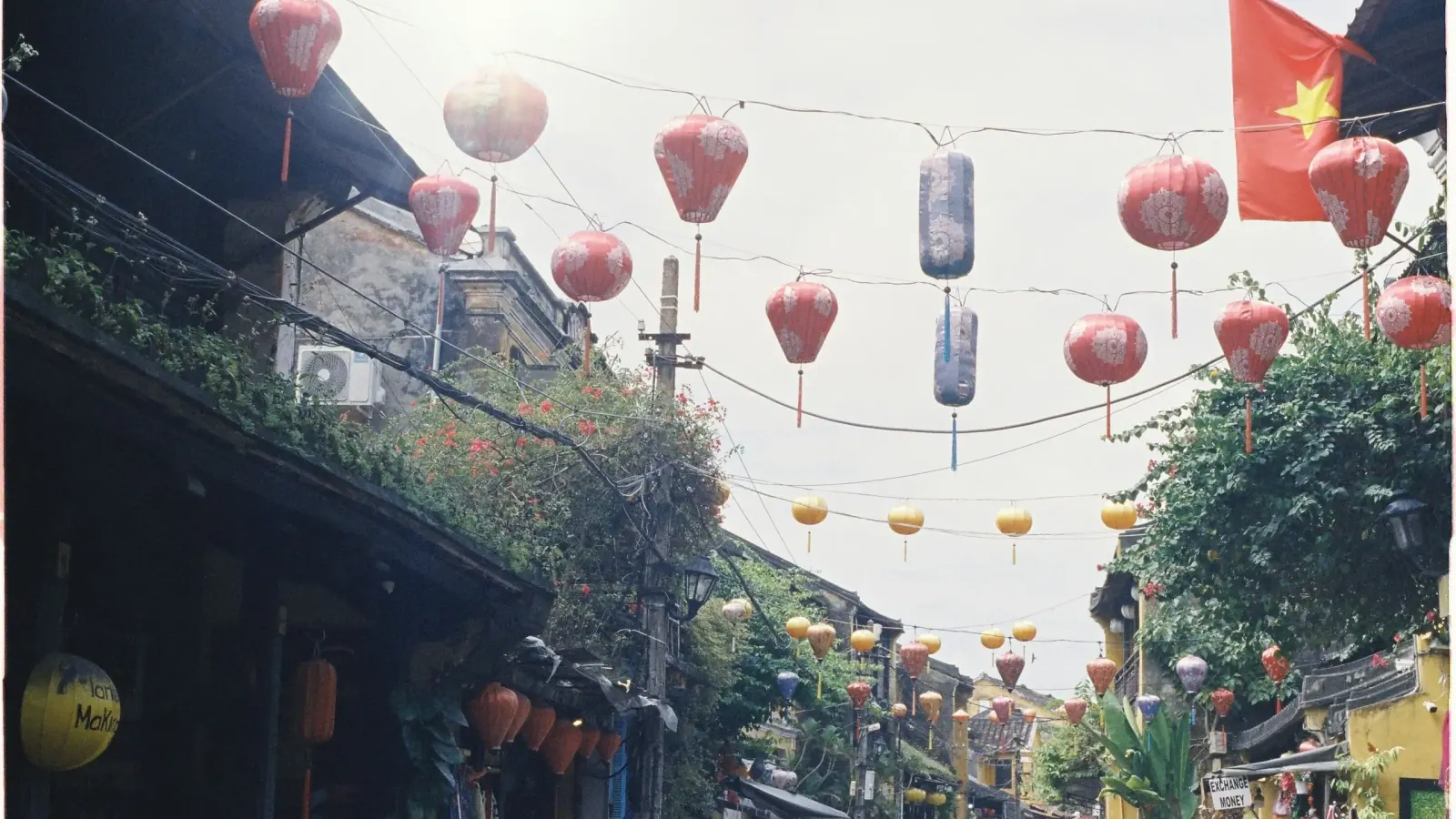
Hoi An
Lantern-lit ancient town with tailor shops and riverside charm.
Hoi An travel guide
Ha Long Bay
UNESCO World Heritage limestone karsts and emerald waters.
Ha Long Bay travel guide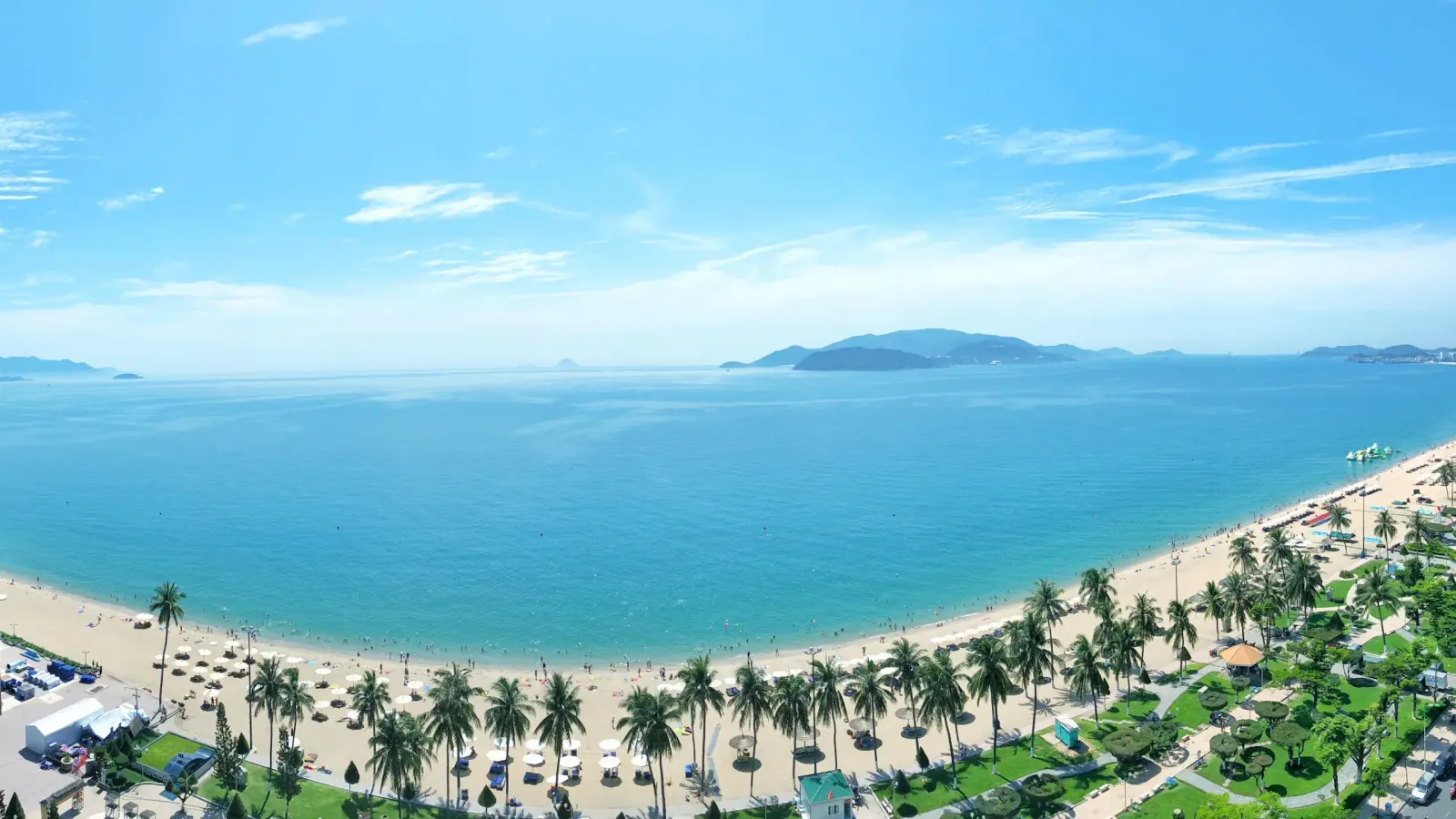
Nha Trang
Beach resort city with island hopping and vibrant nightlife.
Nha Trang travel guide- Phu QuocTropical island with pristine beaches and pearl farms.Phu Quoc travel guide
- SapaTerraced rice fields, mountain trekking, and ethnic minority culture.Sapa travel guide
- DalatHighland city of eternal spring with French colonial charm.Dalat travel guide
- HueImperial citadel, royal tombs, and refined Vietnamese cuisine.Hue travel guide
Where to stay in Vietnam
Visiting Vietnam
What currency is used in Vietnam?
Is street food safe to eat in Vietnam?
How do I choose a Ha Long Bay cruise?
Plan your trip
Vietnam travel guides
- Vietnam Visa on Arrival 2026: E-Visa & VOA GuideVietnam visa guide 2026: 45 days visa-free for UK and most EU passports, the $25 e-visa for US, Australian and Canadian travelers, and why to skip VOA letters.
- 5 Days in Vietnam: Hanoi to Hoi An Itinerary 2026Only 5 days in Vietnam? This Hanoi to Hoi An itinerary covers the best of northern and central Vietnam: street food, imperial Hue and lantern-lit Hoi An.
- Hanoi Street Food 2026: 20+ Dishes & Where to EatHanoi street food guide for 2026: 20+ must-try dishes from pho and bun cha to banh mi and egg coffee, the best food streets, food tours and what it costs.
- Ha Long Bay Cruise Guide 2026: Best Boats & PricesHa Long Bay cruise guide 2026: boats from $25 day trips to $500+ luxury cruises, 2D1N and 3D2N itineraries, Lan Ha Bay, the best time and booking tips.
- 2-Week Southeast Asia Itinerary: First-Timer RouteA comprehensive two-week itinerary covering Bangkok, Chiang Mai, Luang Prabang, and Hanoi - the essential first-timer route through Southeast Asia.
Sources
Official pages used to check the visa, transport and safety facts on this page. Rules change, so confirm with them before you travel.
- Vietnam e-Visa portal - Vietnam Immigration Department
- Vietnam visa requirements - Vietnam National Authority of Tourism
- Plan your trip: SIM cards and helpful numbers - Vietnam National Authority of Tourism
- A traveller's guide to Vietnam's airports - Vietnam National Authority of Tourism
- Vietnam travel advice: safety and security - UK Foreign, Commonwealth & Development Office
- Vietnam travel advice: getting help - UK Foreign, Commonwealth & Development Office
Explore Southeast Asia
More destinations
11 destinations
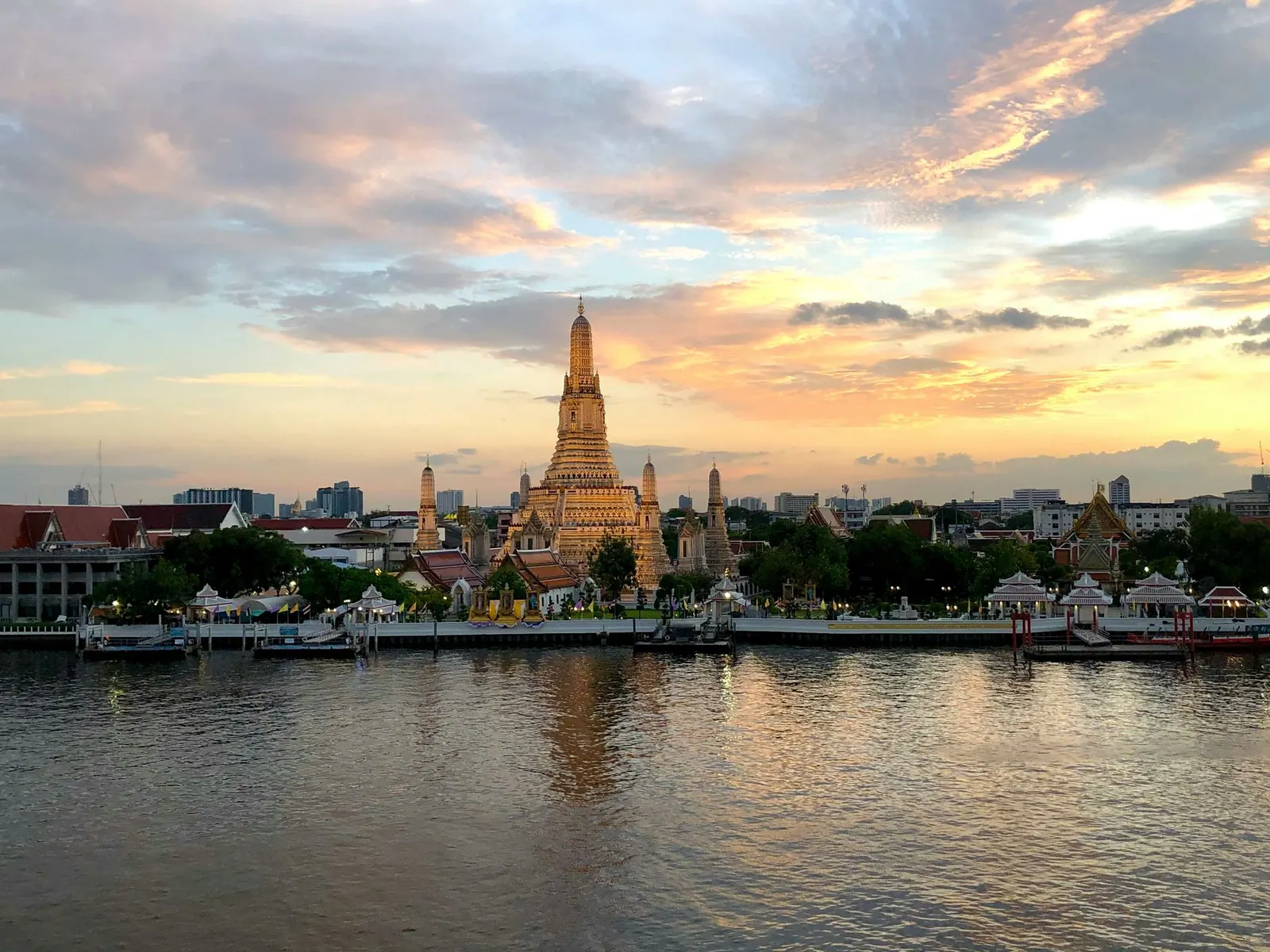
Thailand
River cities, northern temples, and islands on two coasts

9 destinations
Malaysia
Food-led city breaks, rainforest, and island stays

12 destinations
Indonesia
Volcanic landscapes, temple towns, and surf coasts

5 destinations
Cambodia
Angkor temples, riverside towns, and the southern coast

10 destinations
Philippines
Island hopping, reef diving, and mountain towns

4 destinations
Laos
Mekong towns, limestone mountains, and temple walks
1 destination
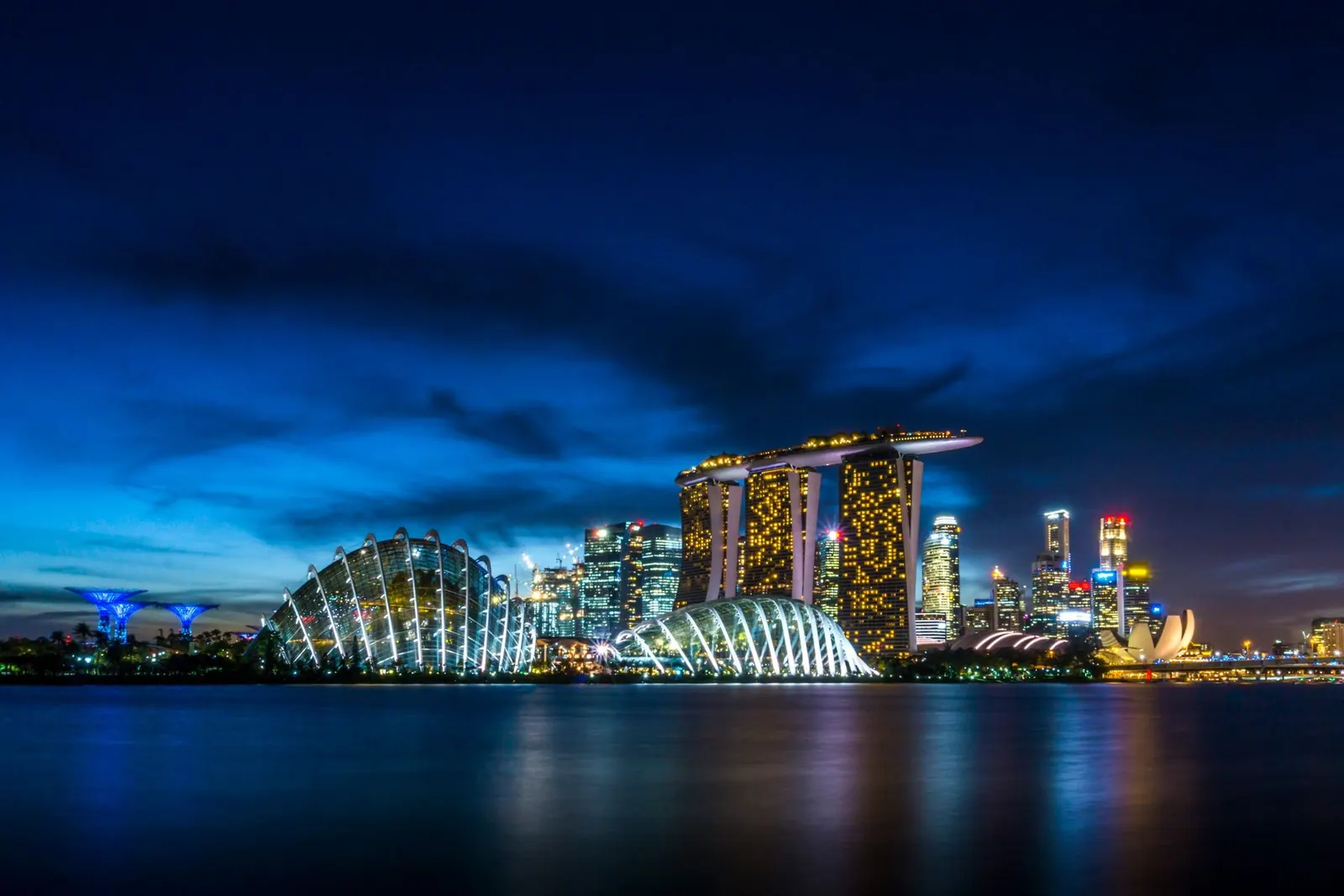
Singapore
Hawker food, neighbourhood walks, and waterfront gardens
1 destination
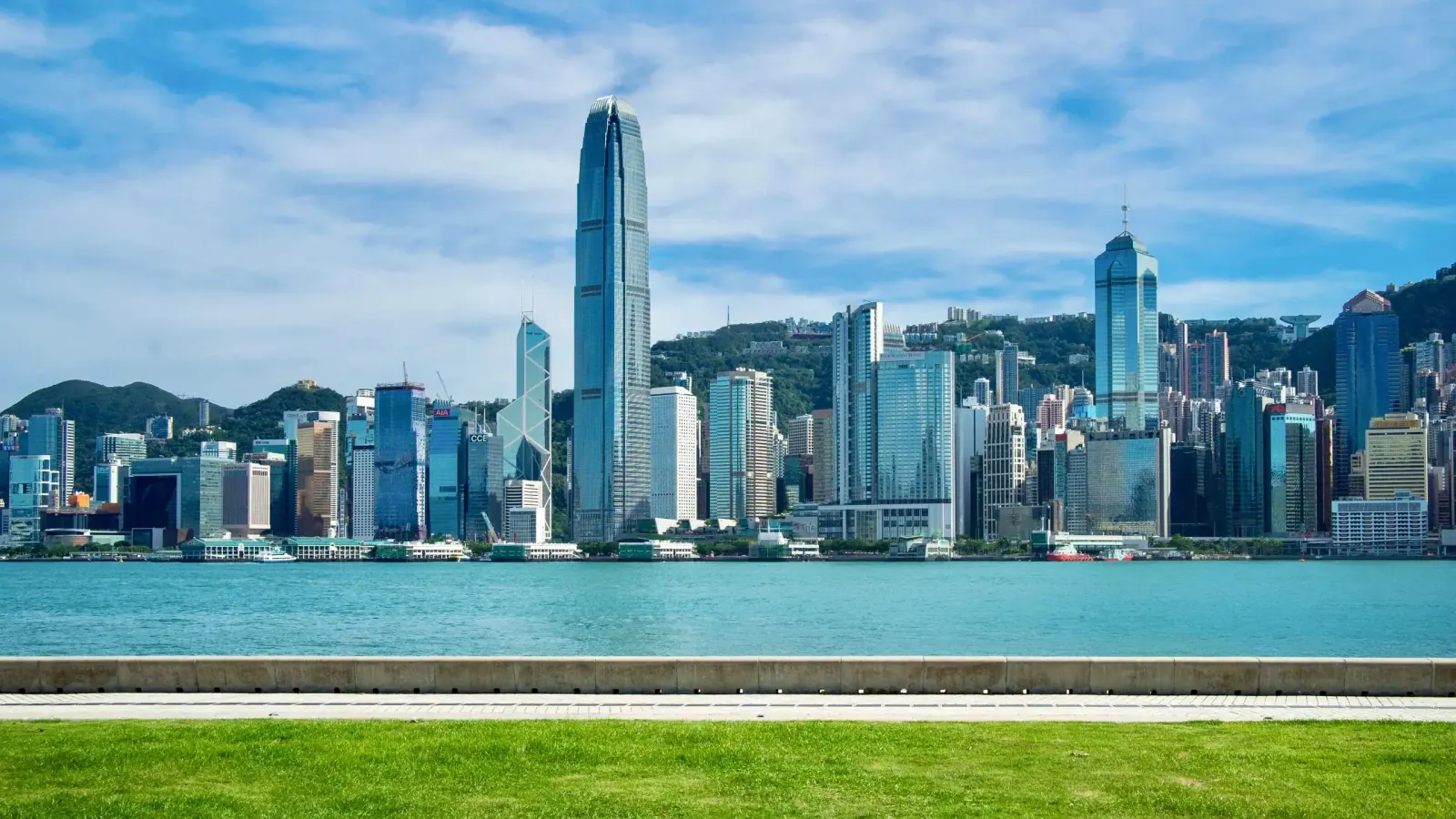
Hong Kong
Harbour walks, hillside trails, and neighbourhood dining