
Food-led city breaks, rainforest, and island stays
Travelling in Malaysia: peninsula routes, Borneo and costs
Updated
Malaysia at a glance
Malaysia pairs hawker food, heritage towns and islands on the peninsula with rainforest, orangutans and Mount Kinabalu in Borneo. Allow 10-14 days for the west coast, plus four or five days for Borneo. Expect about US$25-45 a day on a backpacker budget or US$55-85 mid-range. December to February suits the west coast; March to October suits Borneo.
| Best months | December-February on the west coast; March-October in Borneo |
|---|---|
| Trip length | 10-14 days for the peninsula; add 4-5 days for Borneo |
| Daily budget | US$25-45 backpacker, US$55-85 mid-range |
| Visa | 90 days visa-free for most Western passports; submit the MDAC arrival card before you travel |
| Currency | Malaysian ringgit (MYR) |
| Main gateways | Kuala Lumpur International (KUL), Penang (PEN), Kota Kinabalu (BKI), Kuching (KCH); the Causeway from Singapore |
| Getting around | ETS trains and express buses on the peninsula; fly to Borneo |
Where to stay
Find hotels in Malaysia
Choose a destination to check live rates and availability for your dates.
How many days do you need in Malaysia?
Plan 10-14 days for the peninsula's west coast and four or five more for Borneo.
- Kuala Lumpur: three to four days, or five with day trips to Putrajaya or the Genting Highlands.
- Penang: two full days for George Town, three to four with Penang Hill and Batu Ferringhi.
- Langkawi: three to five days.
- Malacca, Cameron Highlands: about two days each.
- Ipoh: one to two days, often on the way to the Cameron Highlands or Penang.
- Kota Kinabalu and Kuching: three to four days each; allow five to six in Kota Kinabalu to climb Mount Kinabalu.
Where should you go in Malaysia?
Start in Kuala Lumpur, head north through the Cameron Highlands or Ipoh to Penang, and finish on Langkawi, with Malacca as a side trip south. Add Borneo if you have more than a week.
- Kuala Lumpur: the Petronas Towers, Batu Caves, Chinatown and Jalan Alor.
- Cameron Highlands: tea estates and trails at 18-25°C.
- Ipoh: old-town murals, white coffee and cave temples in limestone karst.
- Penang: George Town's UNESCO-listed shophouses, street art and hawker food.
- Langkawi: beaches, a cable car and mangrove and island-hopping tours.
- Malacca: a walkable UNESCO core shaped by Malay, Portuguese, Dutch and British rule.
- Johor Bahru: across the Causeway from Singapore, with Legoland and a heritage quarter.
- Borneo: Kota Kinabalu for Mount Kinabalu and island trips, Kuching for Semenggoh orangutans and Bako National Park.
How much does Malaysia cost per day?
Budget travellers spend about US$25-45 a day in Malaysia and mid-range travellers US$55-85, before flights.
A backpacker budget covers a hostel bed (US$6-15), hawker meals at US$2-4 and the LRT, MRT and local buses. Mid-range buys a 3-4 star or boutique hotel (US$18-35 a night), restaurant meals, Grab rides and the occasional flight to Borneo. Kuala Lumpur is the most expensive city; Penang, Langkawi, Kuching and Kota Kinabalu cost less. Hotel rates in December-February and July-August run 15-30% above the low season.
Full breakdown: the Southeast Asia cost guide, and for stays, the best hotels in Penang.
When is the best time to visit Malaysia?
December to February is best for Kuala Lumpur, Penang and Langkawi, and March to October for Borneo.
- West coast: June-August is a second good window. Kuala Lumpur is hot and humid all year, with rain in short downpours; October-December are its wettest months.
- Penang: best December-February; October is the wettest month.
- Langkawi: best November-April; seas are rough in July and August.
- Borneo: November-February brings the northeast monsoon, rough seas and flooding. Kuching's Rainforest World Music Festival runs in June or July.
- Cameron Highlands: 18-25°C year-round.
Month by month: best time to visit Southeast Asia.
Do you need a visa for Malaysia?
Most Western passports, including US, UK, EU, Canadian and Australian, get 90 days visa-free.
Submit the free Malaysia Digital Arrival Card (MDAC) online up to three days before you travel, and carry a passport valid for at least six months. Chinese passports get 30 days per visit under a mutual exemption, Indian passports 30 days until 31 December 2026, and ASEAN nationals other than Myanmar stays of under a month. Citizens of about 31 countries must apply for an e-visa first on the official portal. Extensions are decided case by case at an immigration office.
Rules for every passport: Southeast Asia visa requirements.
Is Malaysia safe?
The risks UK travel advice highlights for visitors are bag-snatching, drink spiking and card fraud. It also advises against all but essential travel to the islands and dive sites off eastern Sabah.
- Bag-snatching: common in the big cities, sometimes by thieves on motorbikes. Carry bags on the side away from the road.
- Drink spiking: reported even in reputable bars and restaurants. Do not accept drinks from strangers.
- Card and ATM fraud: widespread. Shield your PIN and keep your card in sight.
- Taxis: at airports, buy a fixed-price coupon at the counter in the terminal; elsewhere, insist on the meter or book through Grab.
The eastern Sabah warning covers the islands from Sandakan to Tawau, not Kota Kinabalu or the Sabah mainland. Emergency numbers: 999 for police and ambulance, 112 from a mobile, 994 for fire.
SIM cards and eSIMs in Malaysia
Buy a prepaid or tourist SIM from an operator store or authorised partner, and bring your original passport, which the seller must check.
The regulator, MCMC, requires providers to verify prepaid registrations against original ID; for foreigners that means a passport. CelcomDigi's Tourist SIM is open to any non-Malaysian passport holder, lasts as long as the data pass you buy (7, 14, 30 or 90 days) and cannot be reloaded, with at most two accounts per person. U Mobile also limits registrations to two SIMs per person and offers a tourist eSIM.
Getting around Malaysia
ETS trains and express buses link the peninsula's cities; Langkawi needs a ferry or flight, and Borneo is reached only by air.
- From KLIA: the non-stop KLIA Ekspres reaches KL Sentral in 28 minutes from Terminal 1 (Terminal 2 is 3 minutes further) and runs every 20 minutes; after 11pm trains stop at all stations. A Grab takes about an hour.
- ETS trains: Kuala Lumpur to Ipoh in about 2.5 hours, Ipoh to Butterworth (ferry to Penang) in 1.5-2 hours, with services south to JB Sentral.
- Express buses: from Terminal Bersepadu Selatan (TBS) in KL to Malacca in 1.5-2 hours and the Cameron Highlands (no rail link) in 3.5-4 hours.
- Langkawi: ferries from Penang (2.5-3 hours) or Kuala Perlis (about 45 minutes), or a one-hour flight from KL.
- Borneo: fly from KL to Kota Kinabalu (about 2.5 hours) or Kuching (about 2 hours).
Explore Malaysia
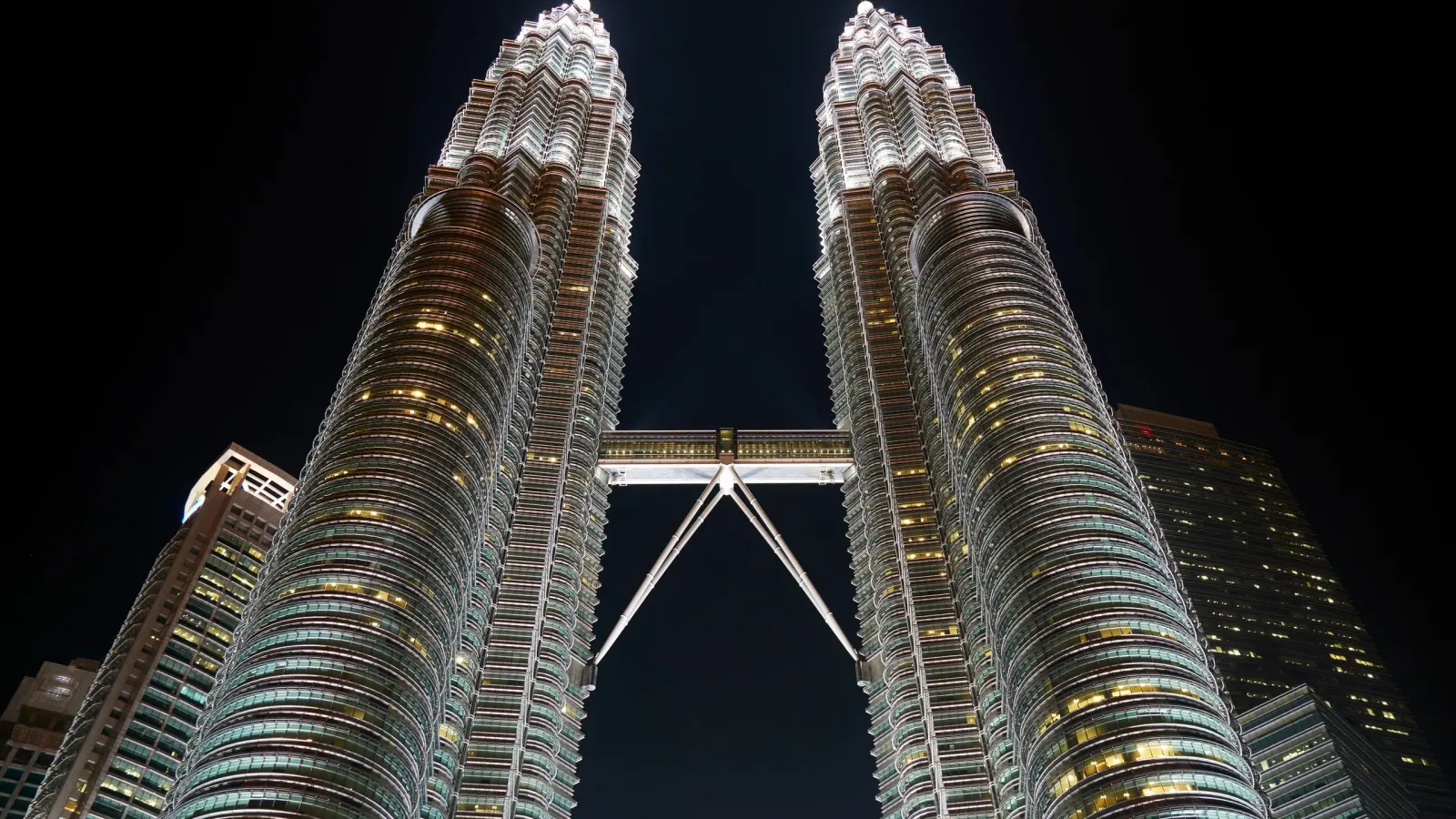
Kuala Lumpur
Twin towers, diverse food scene, and cultural melting pot.
Kuala Lumpur travel guide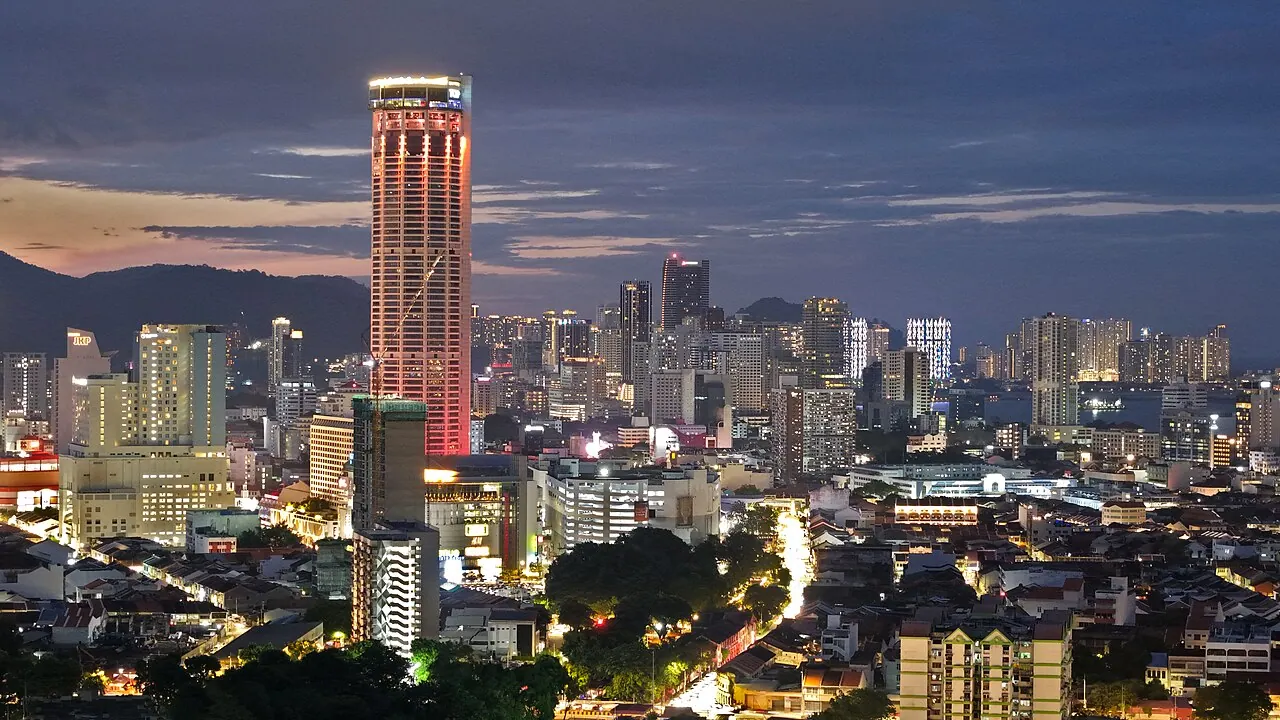
Penang
UNESCO heritage, street art, and legendary hawker food.
Penang travel guide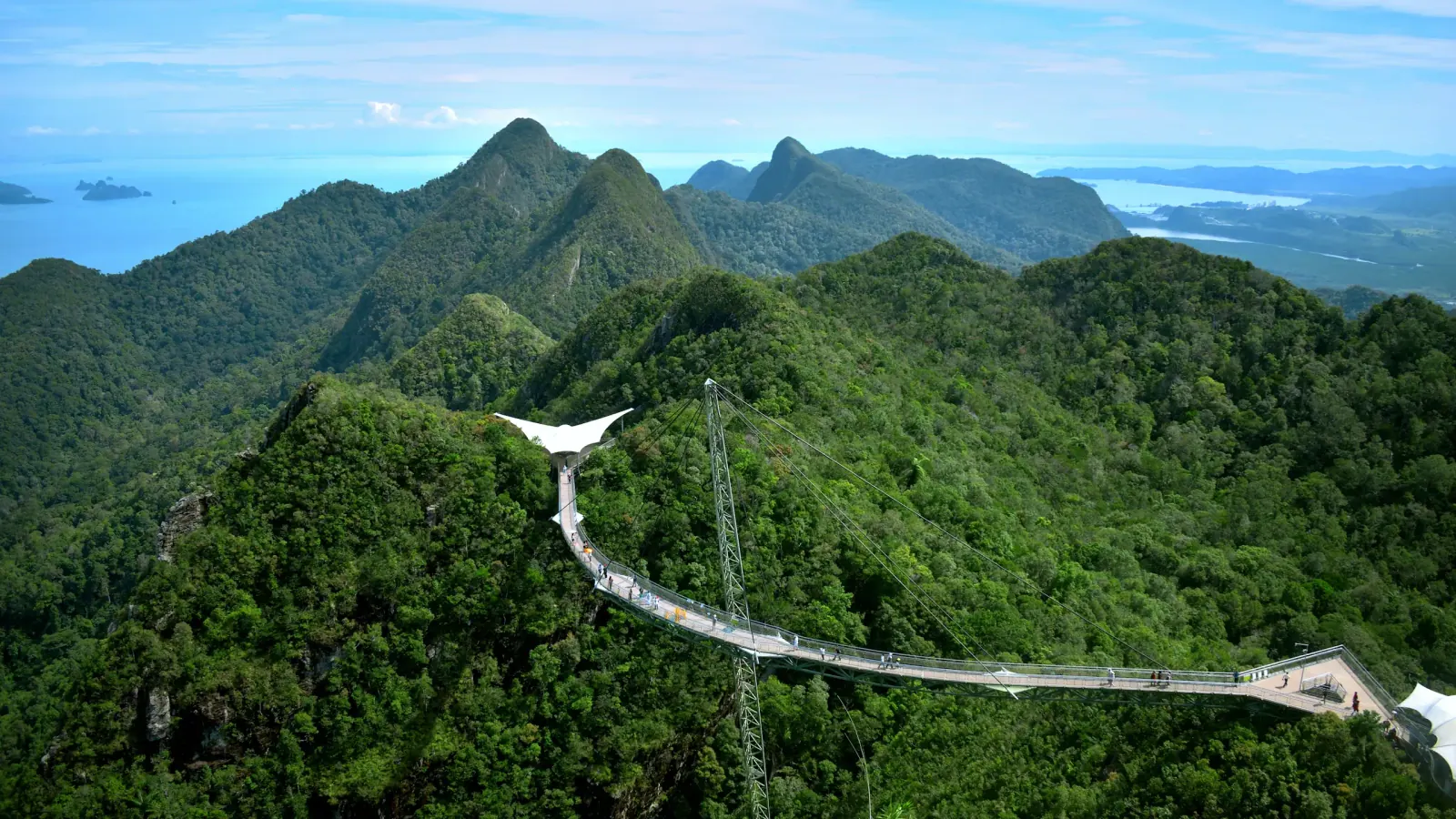
Langkawi
Duty-free island with stunning beaches and sky bridge.
Langkawi travel guide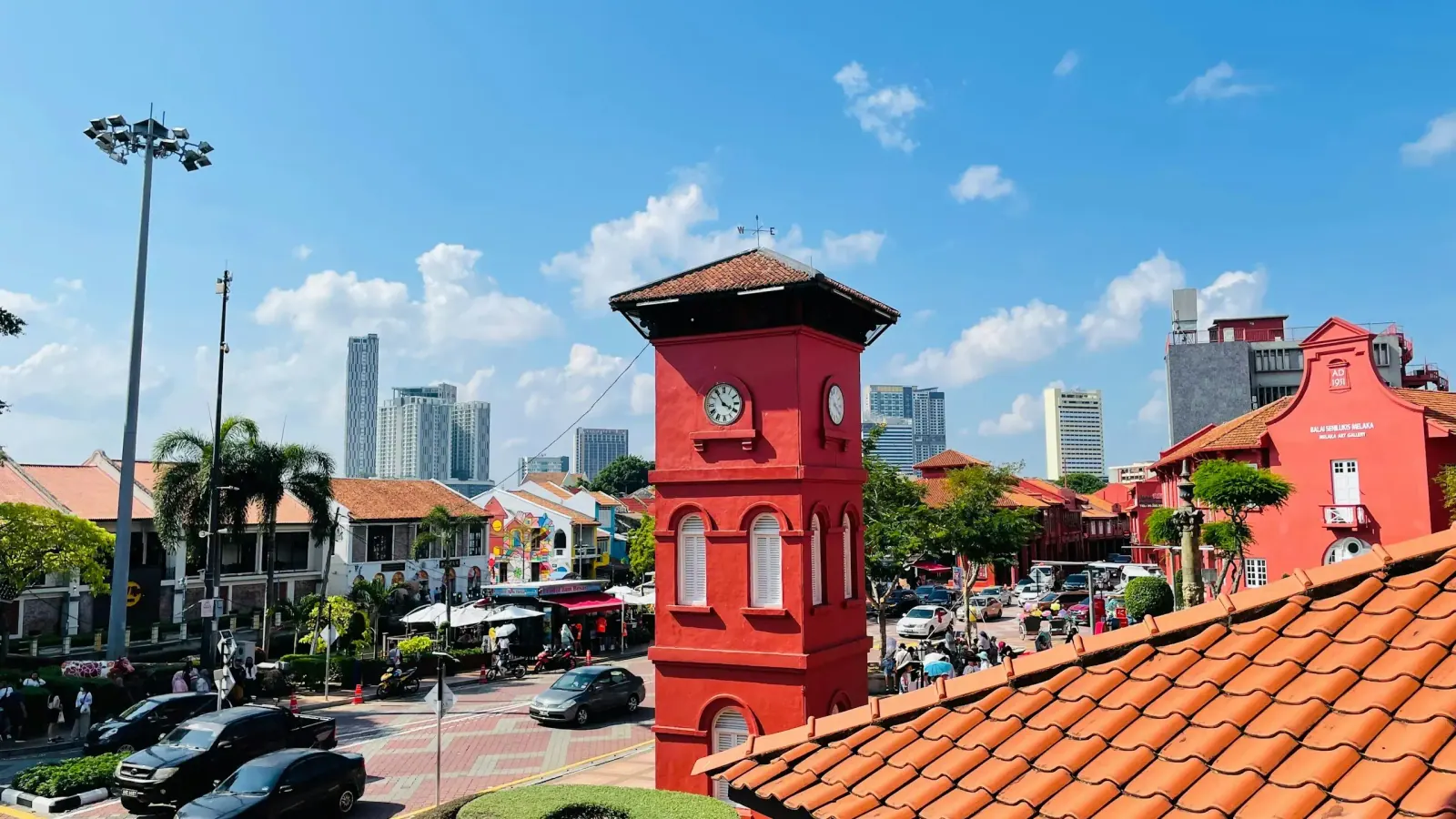
Malacca
Historic trading port with Peranakan heritage and Jonker Street.
Malacca travel guide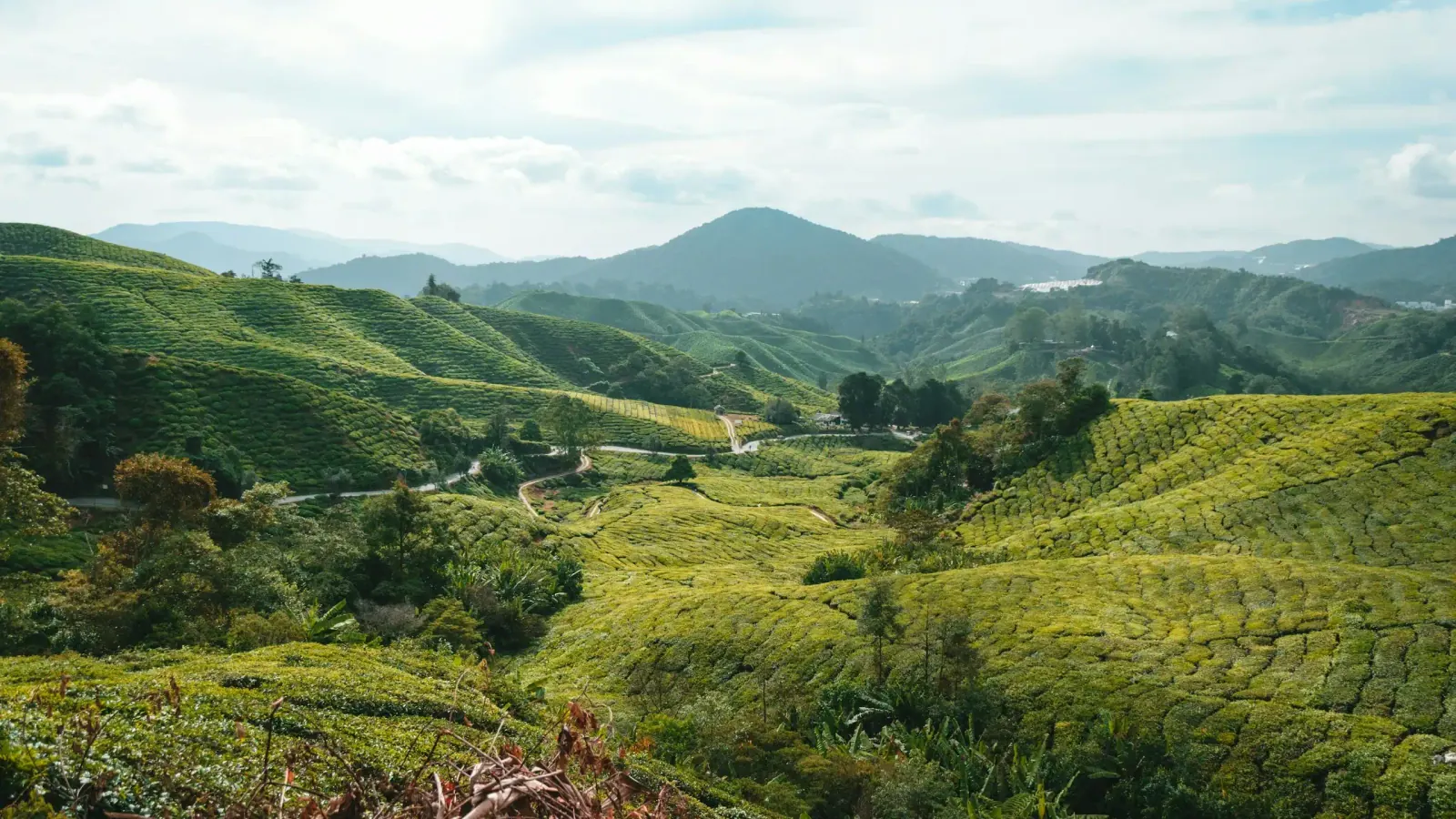
Cameron Highlands
Cool hill station with tea plantations and strawberry farms.
Cameron Highlands travel guide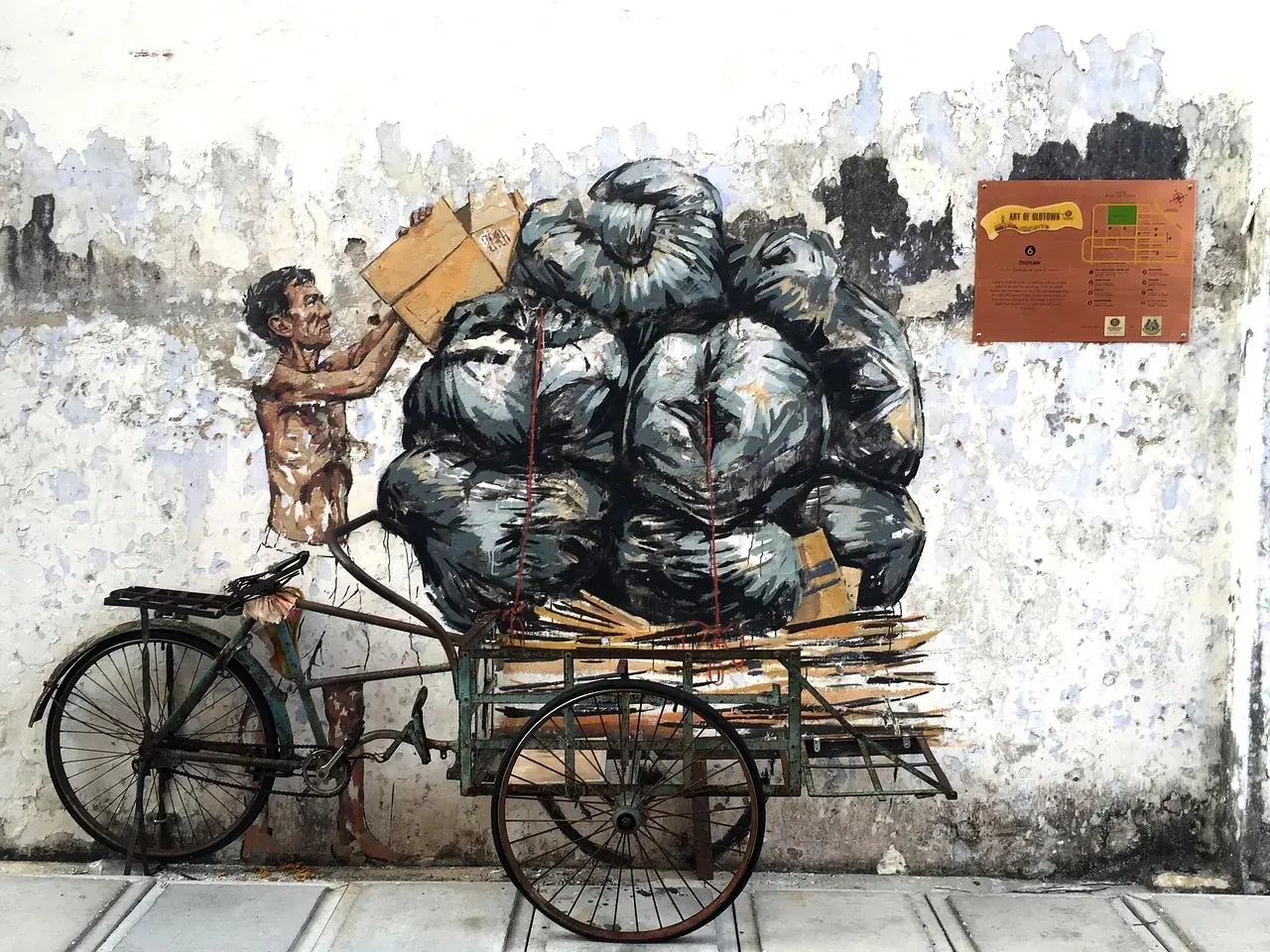
Ipoh
Limestone caves, street art, and famous white coffee.
Ipoh travel guideWhere to stay in Malaysia
Visiting Malaysia
What currency is used in Malaysia?
Is English widely spoken in Malaysia?
Is halal food easy to find in Malaysia?
Plan your trip
Malaysia travel guides
Sources
Official pages used to check the visa, transport and safety facts on this page. Rules change, so confirm with them before you travel.
- Immigration Department of Malaysia - Immigration Department of Malaysia
- Malaysia e-Visa portal - Immigration Department of Malaysia
- Malaysia travel advice: warnings - UK Foreign, Commonwealth & Development Office
- Malaysia travel advice: safety and security - UK Foreign, Commonwealth & Development Office
- Malaysia travel advice: getting help - UK Foreign, Commonwealth & Development Office
- KLIA Ekspres journey time and frequency - Express Rail Link
- Documents for prepaid SIM registration - Malaysian Communications and Multimedia Commission
- CelcomDigi Tourist SIM FAQ - CelcomDigi
- Prepaid registration guidelines - U Mobile
Explore Southeast Asia
More destinations
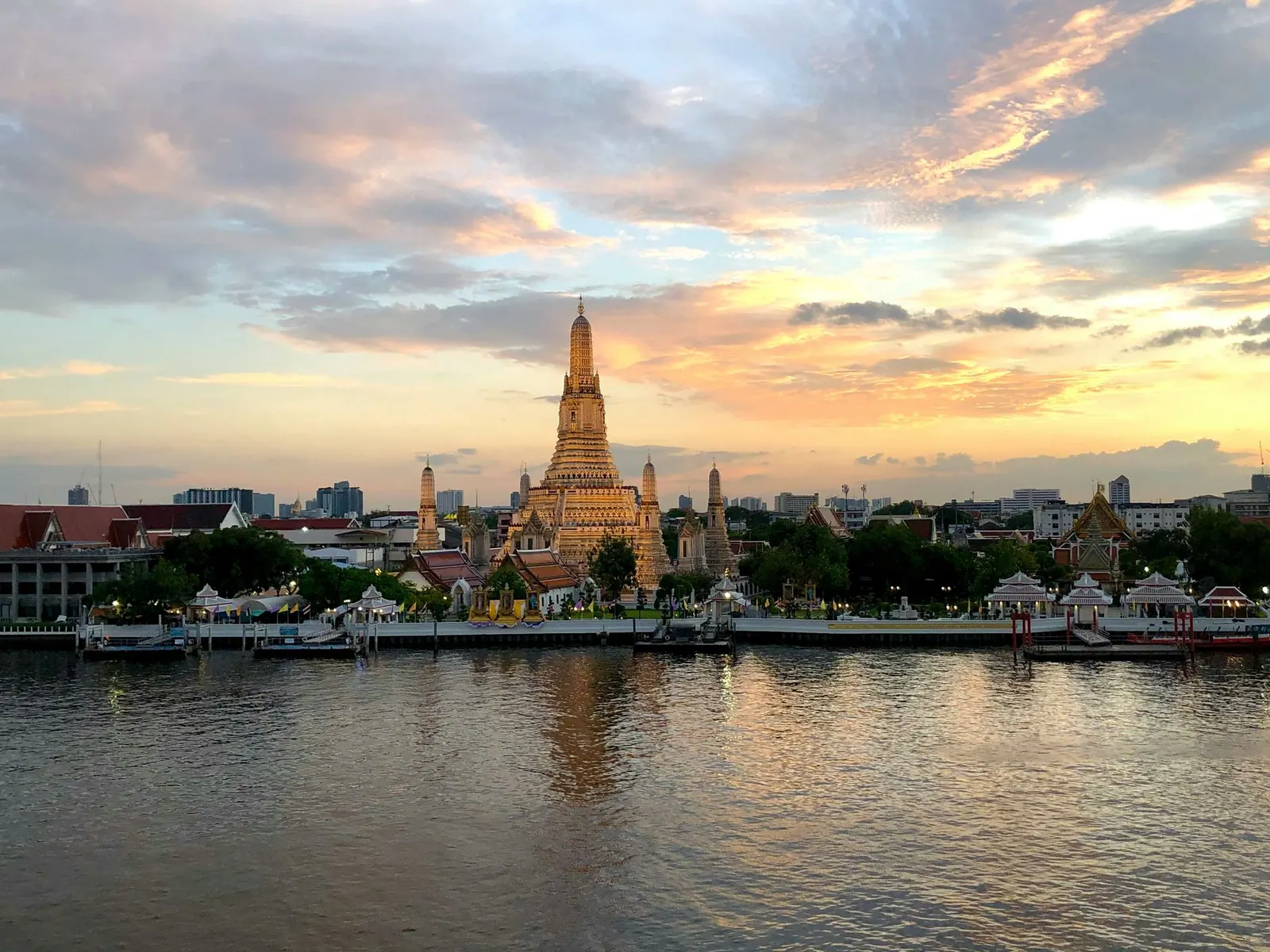
11 destinations
Thailand
River cities, northern temples, and islands on two coasts
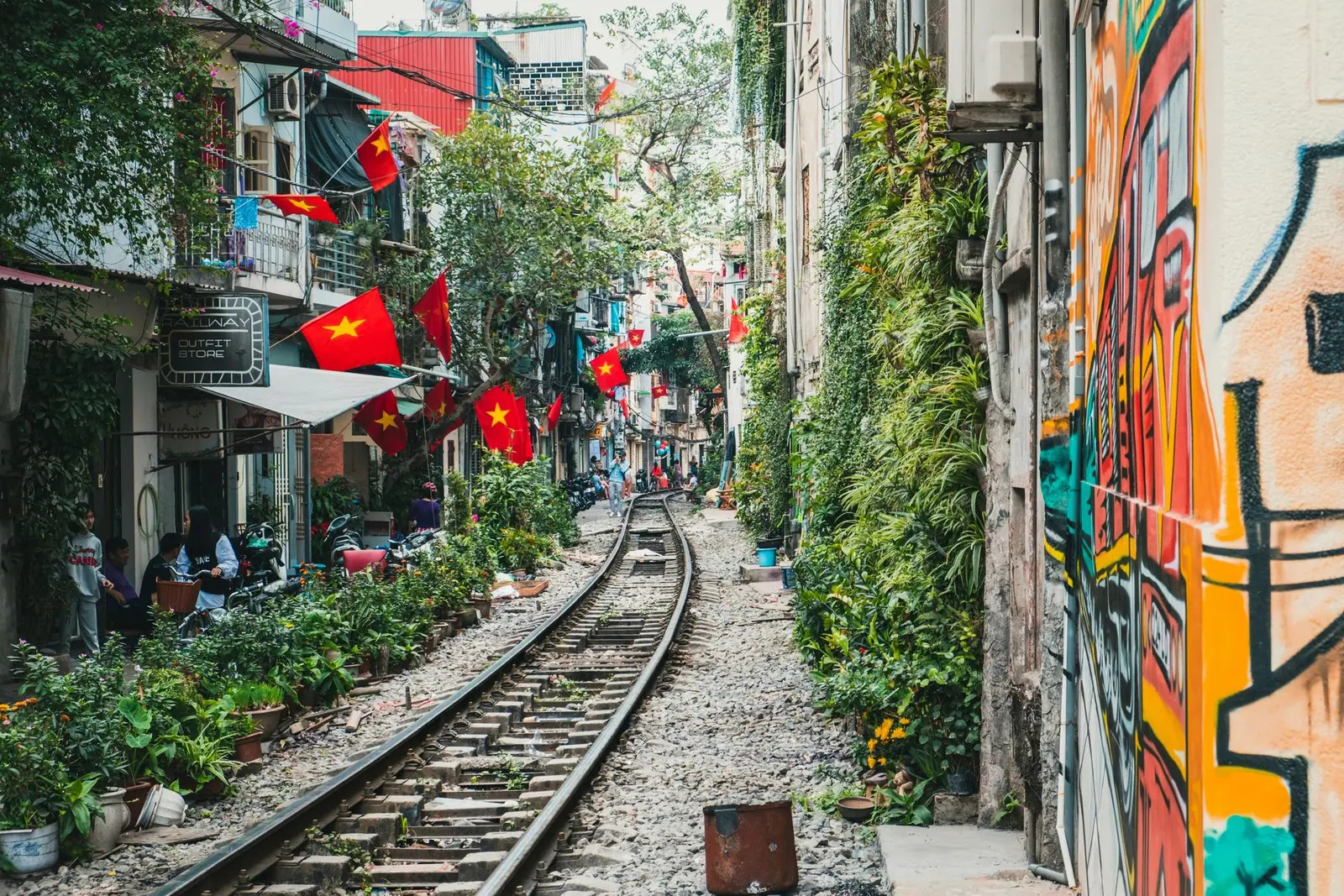
10 destinations
Vietnam
Old quarters, coastal towns, and mountain landscapes
12 destinations
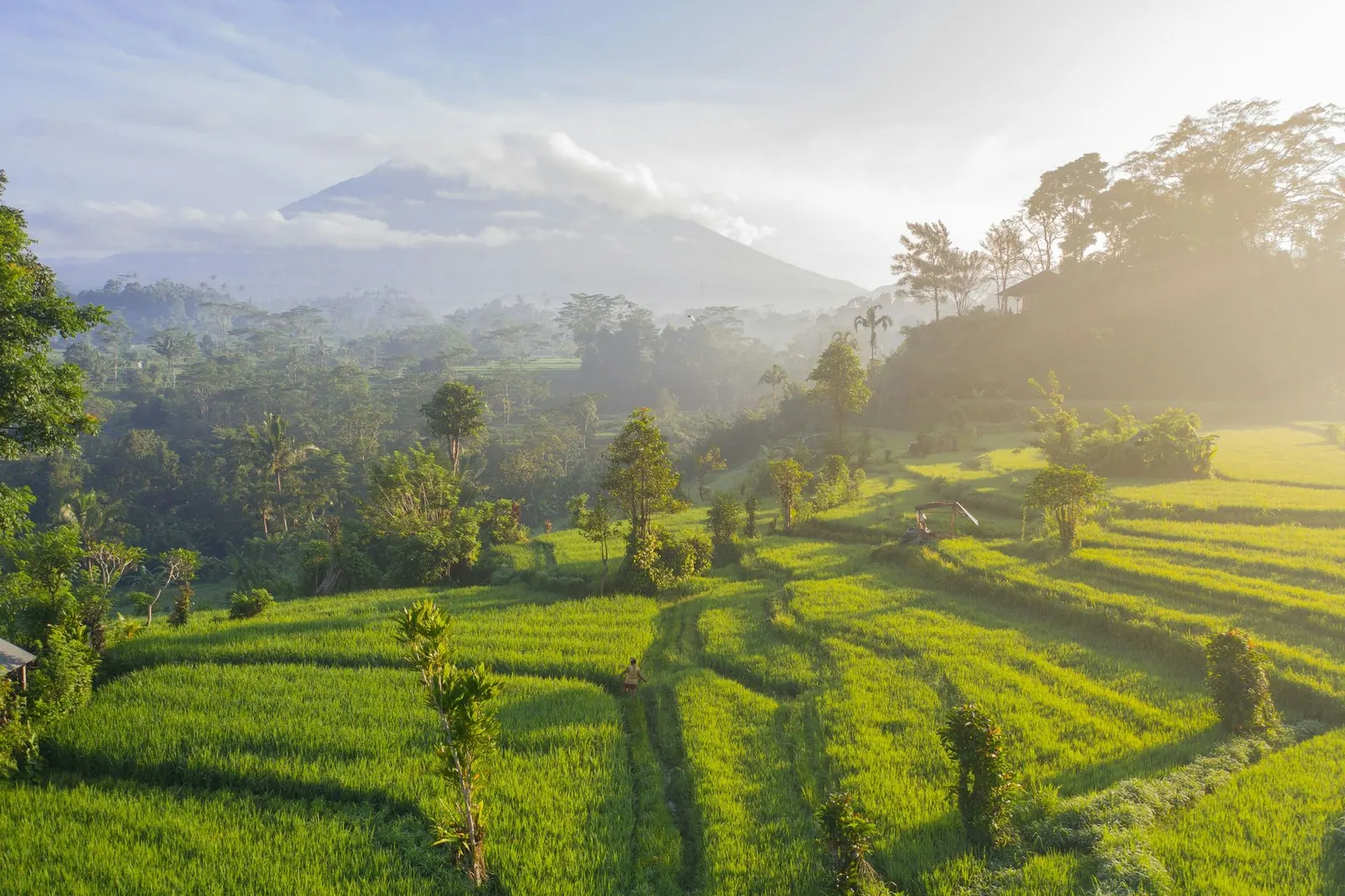
Indonesia
Volcanic landscapes, temple towns, and surf coasts
5 destinations
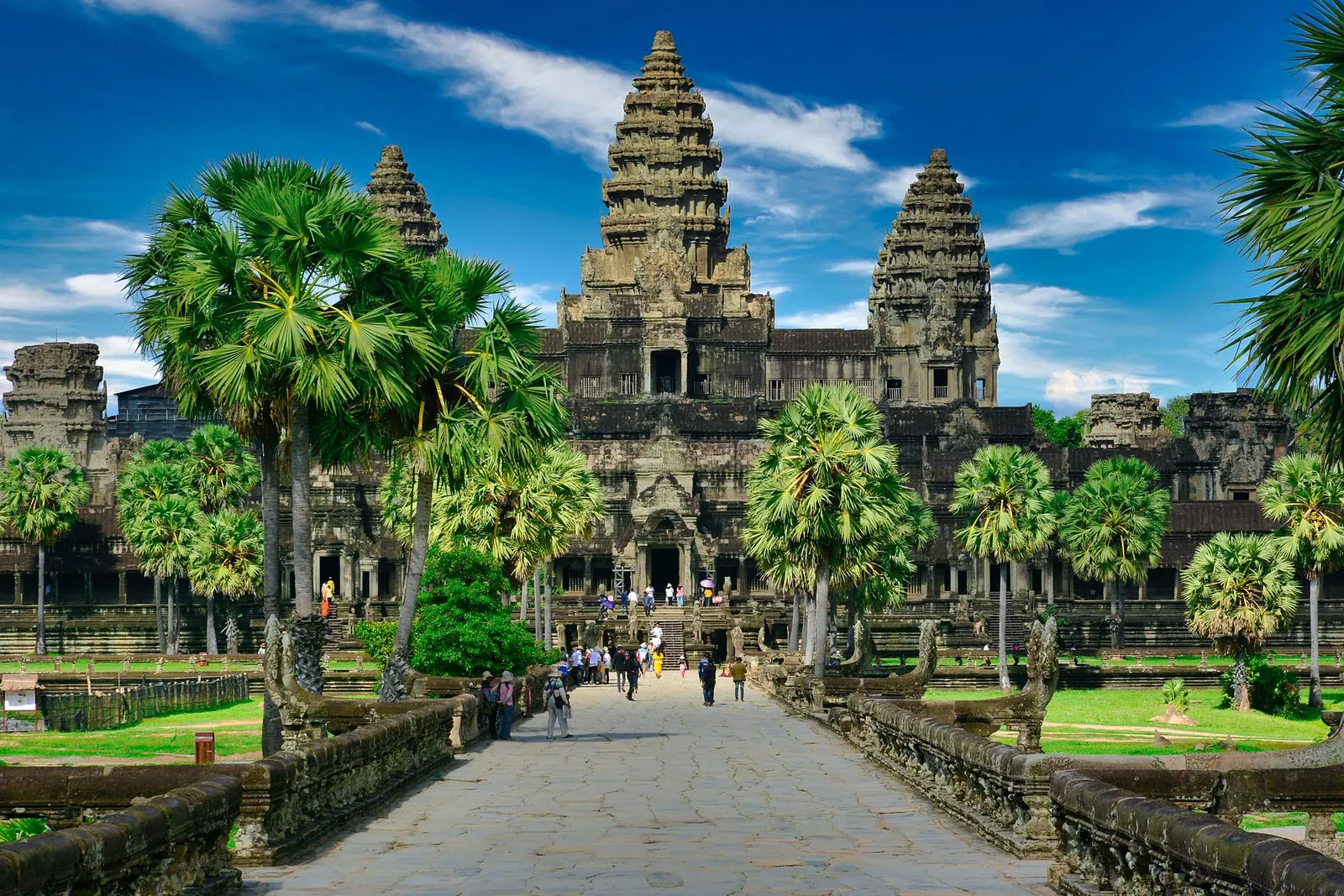
Cambodia
Angkor temples, riverside towns, and the southern coast
10 destinations
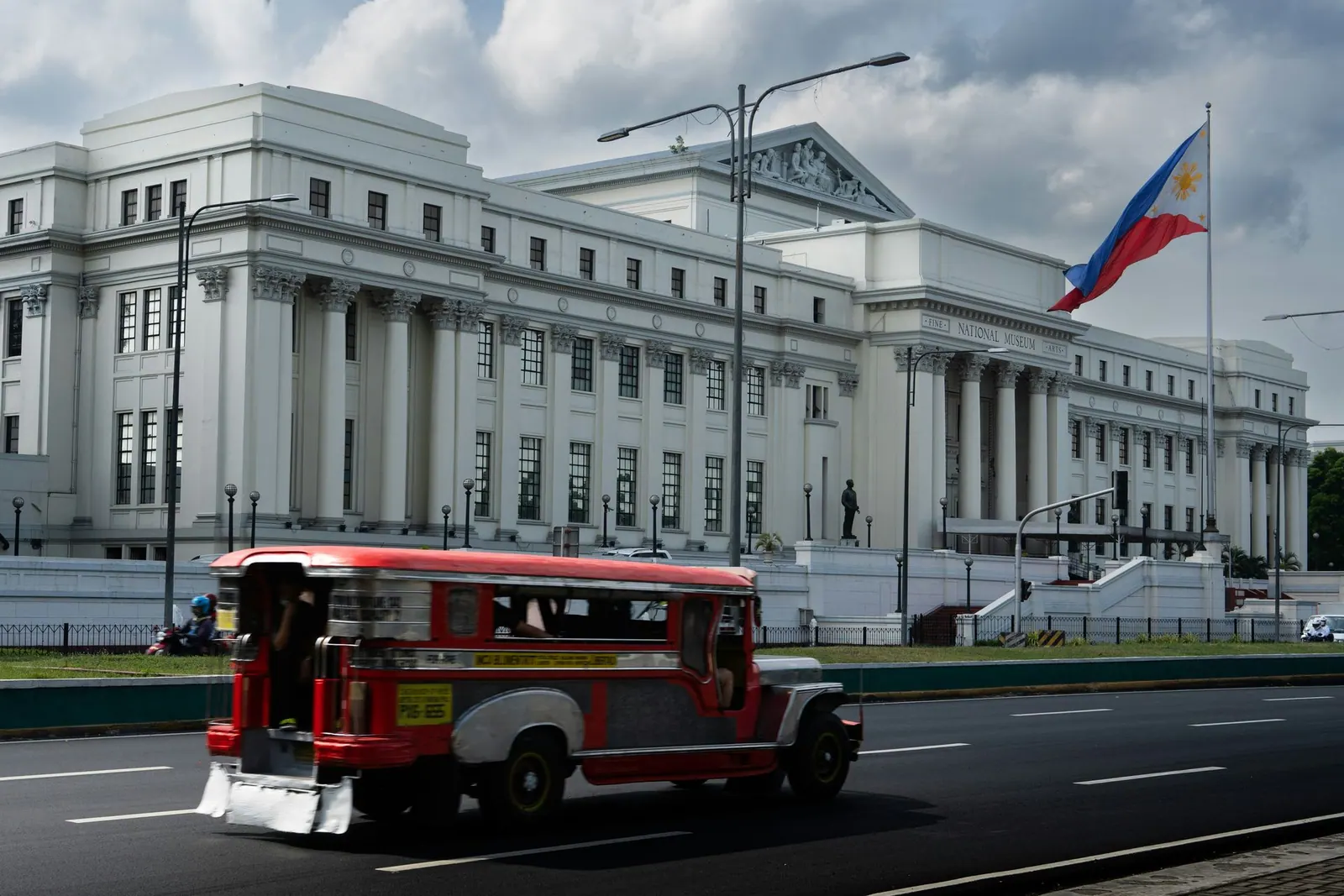
Philippines
Island hopping, reef diving, and mountain towns
4 destinations
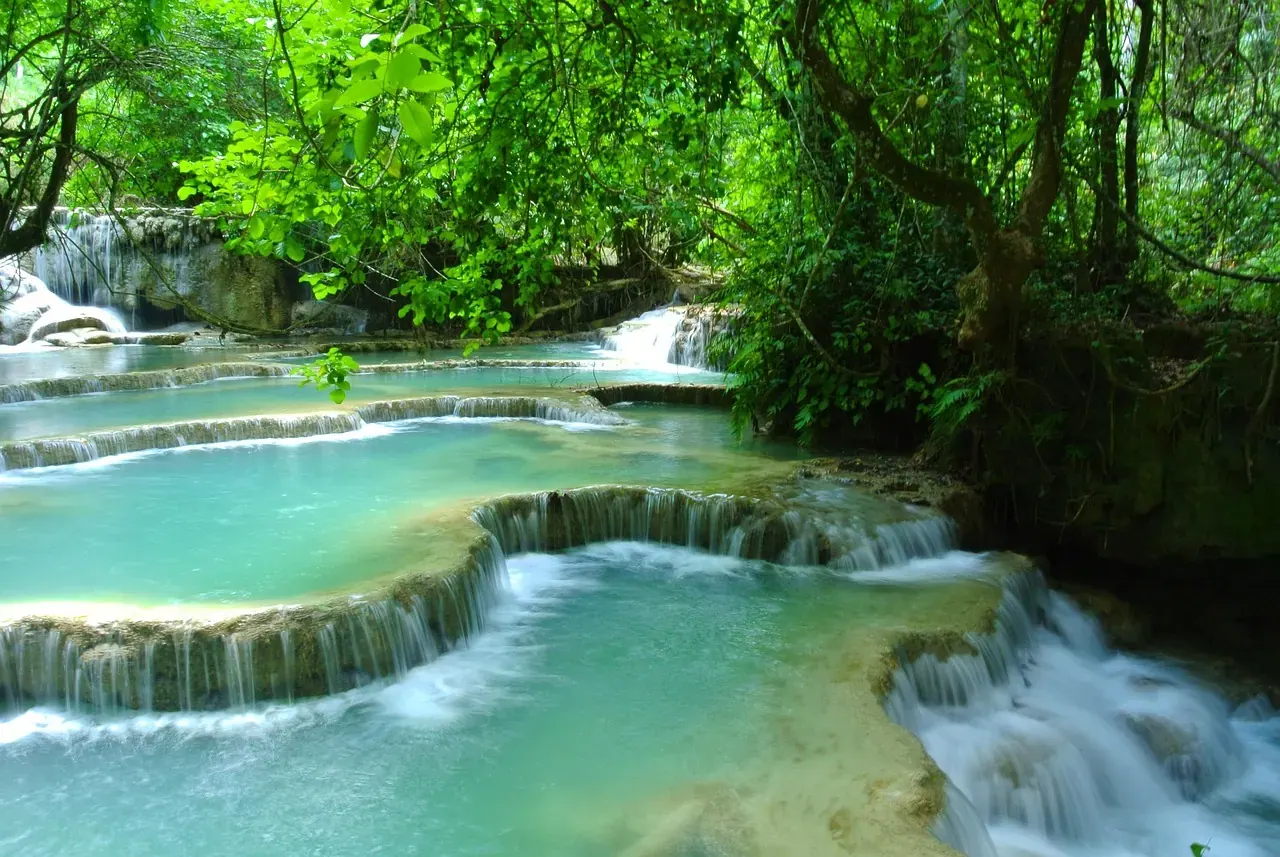
Laos
Mekong towns, limestone mountains, and temple walks
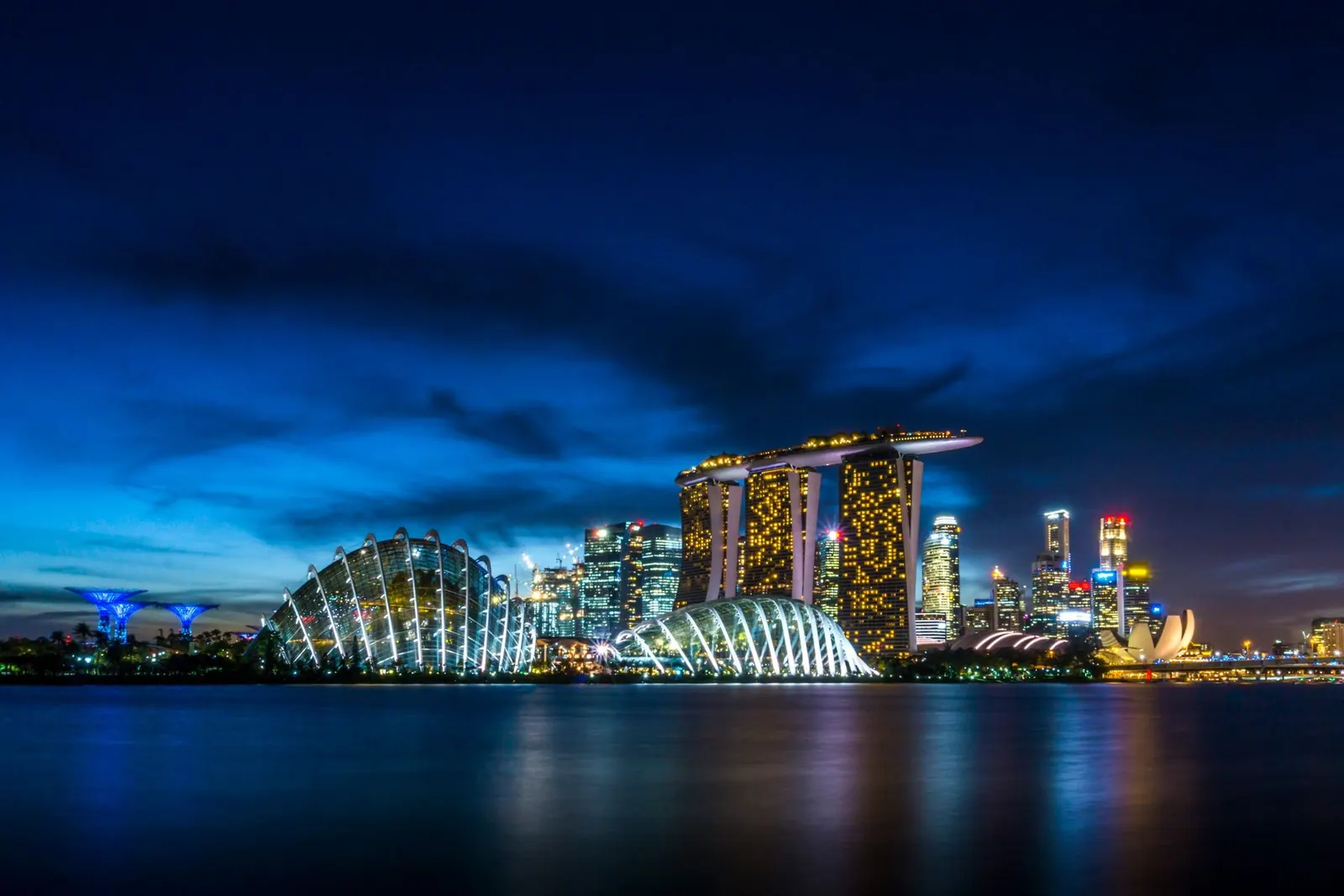
1 destination
Singapore
Hawker food, neighbourhood walks, and waterfront gardens
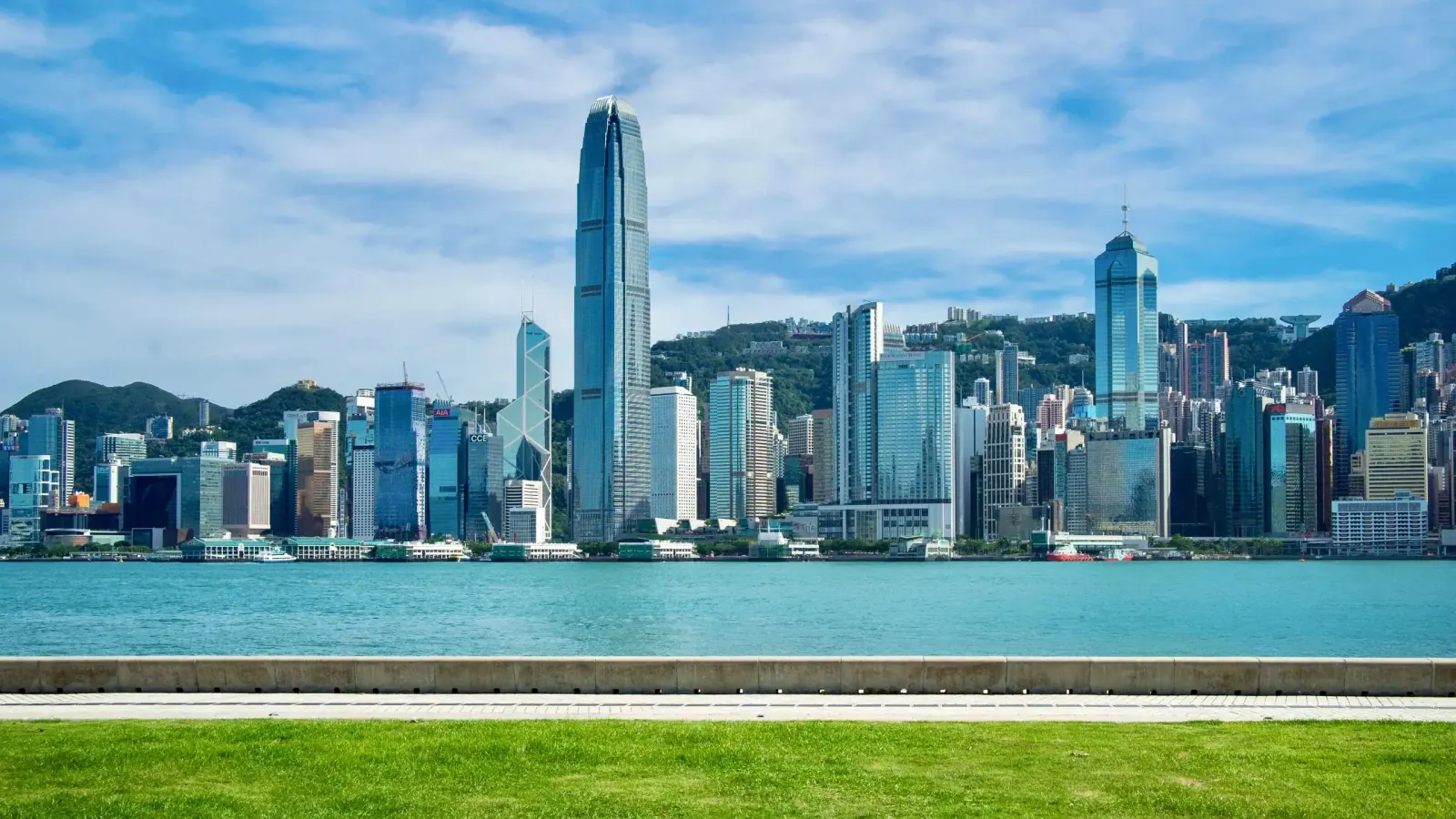
1 destination
Hong Kong
Harbour walks, hillside trails, and neighbourhood dining