When to go
When is the best time to visit Bali?
Bali runs on a simple two-season cycle just south of the equator. The dry season from April to October is the ideal time - sunny days, low humidity, calm seas and clear mountain views. Peak crowds and prices hit in July, August and over Christmas-New Year.
- Apr-JunThe sweet spot - dry, green from the recent rains, fewer crowds than high summer and good value before peak rates kick in.
- Jul-AugDry season peak - the best weather but the busiest and priciest time, especially with Australian and European school holidays.
- Nov-MarWet season - hot, humid, with short heavy downpours, mostly in the afternoon or overnight. Cheapest rates, lush rice terraces and quieter beaches.
Attractions
Things to Do in Bali
Bali packs an extraordinary range into one small island - surfing beaches, emerald rice terraces, smoking volcanoes, Hindu sea temples and a thousand-year spiritual culture. A week is the comfortable minimum.
Uluwatu, Tanah Lot & the Sea Temples
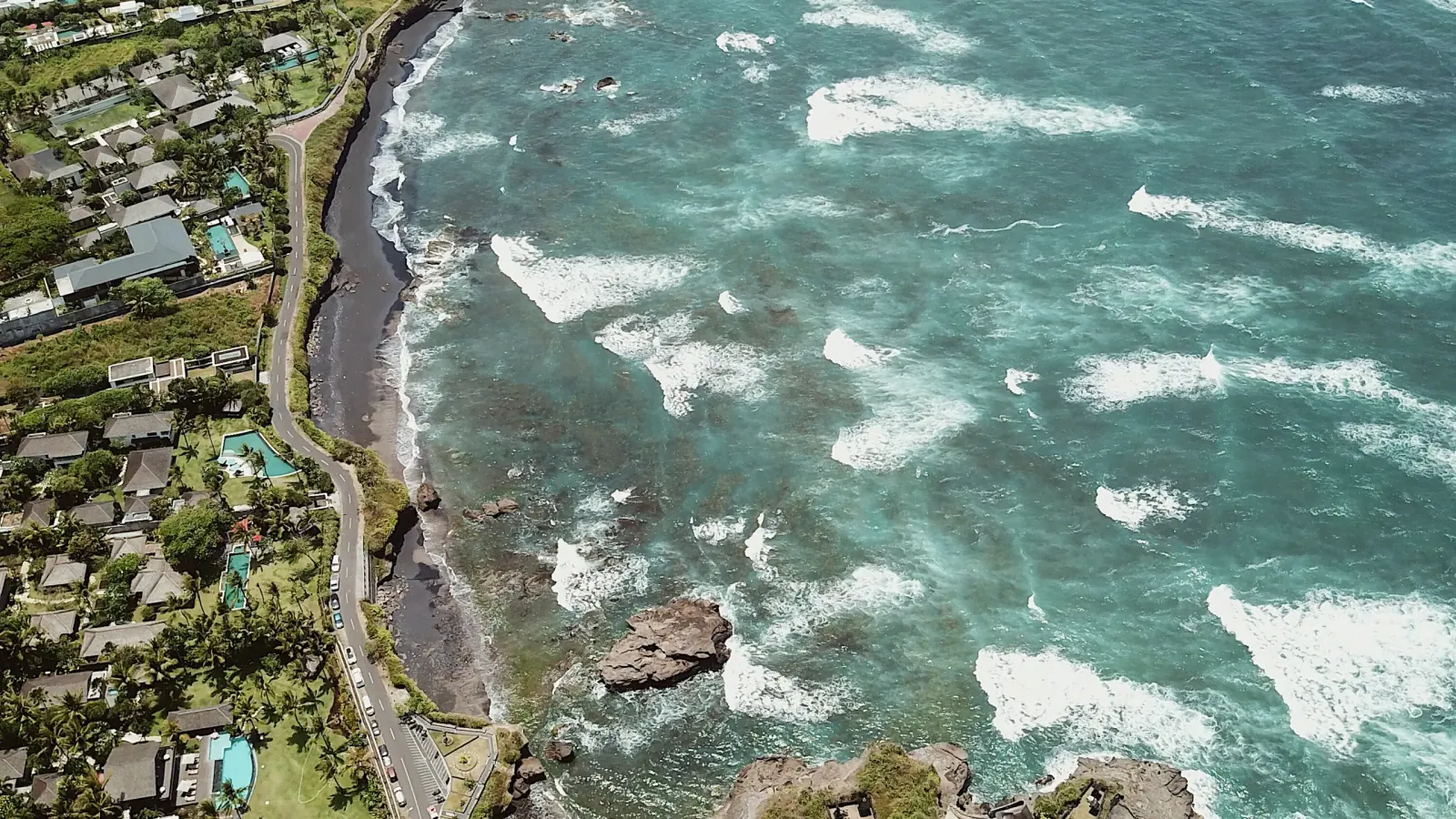
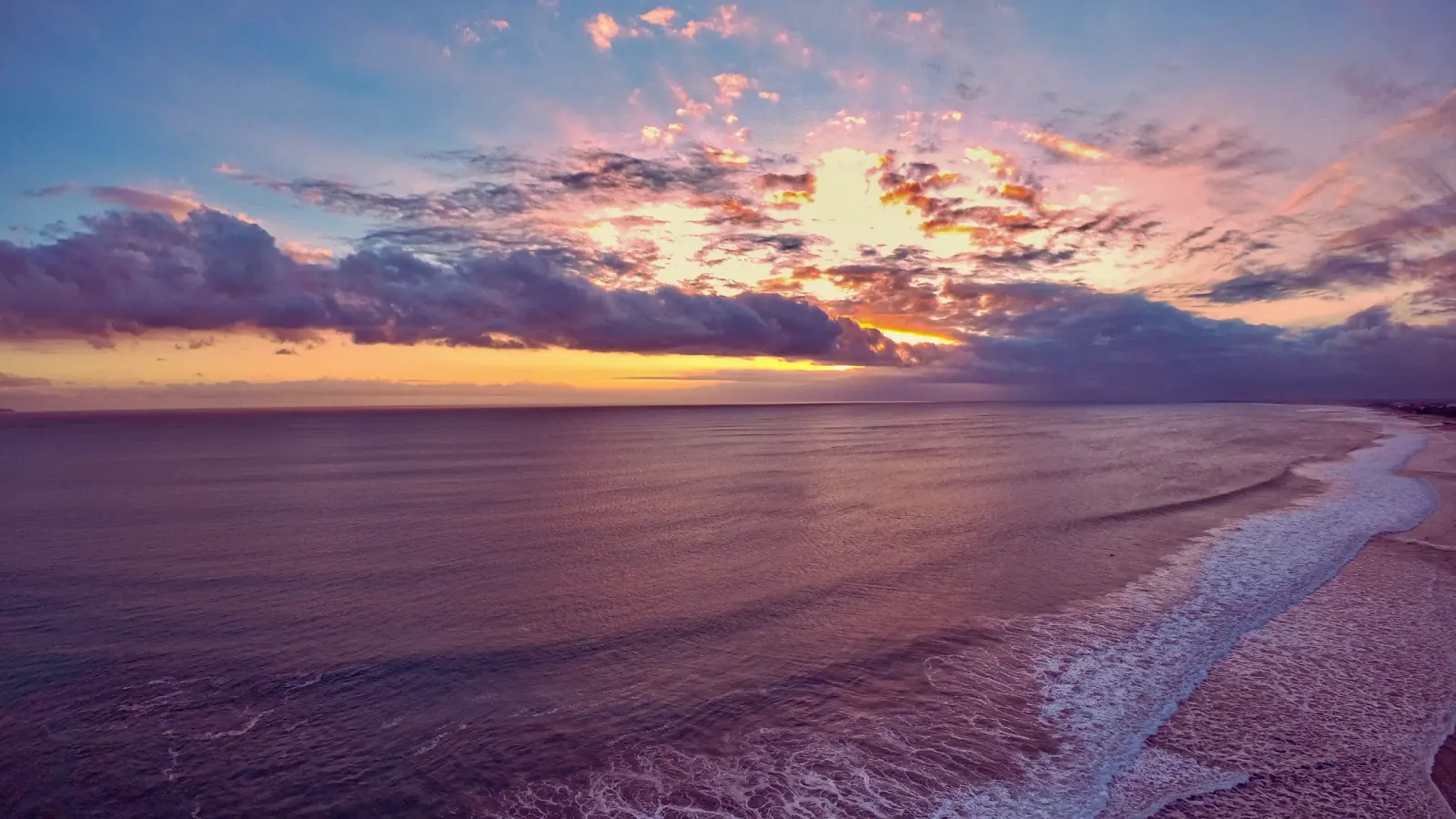
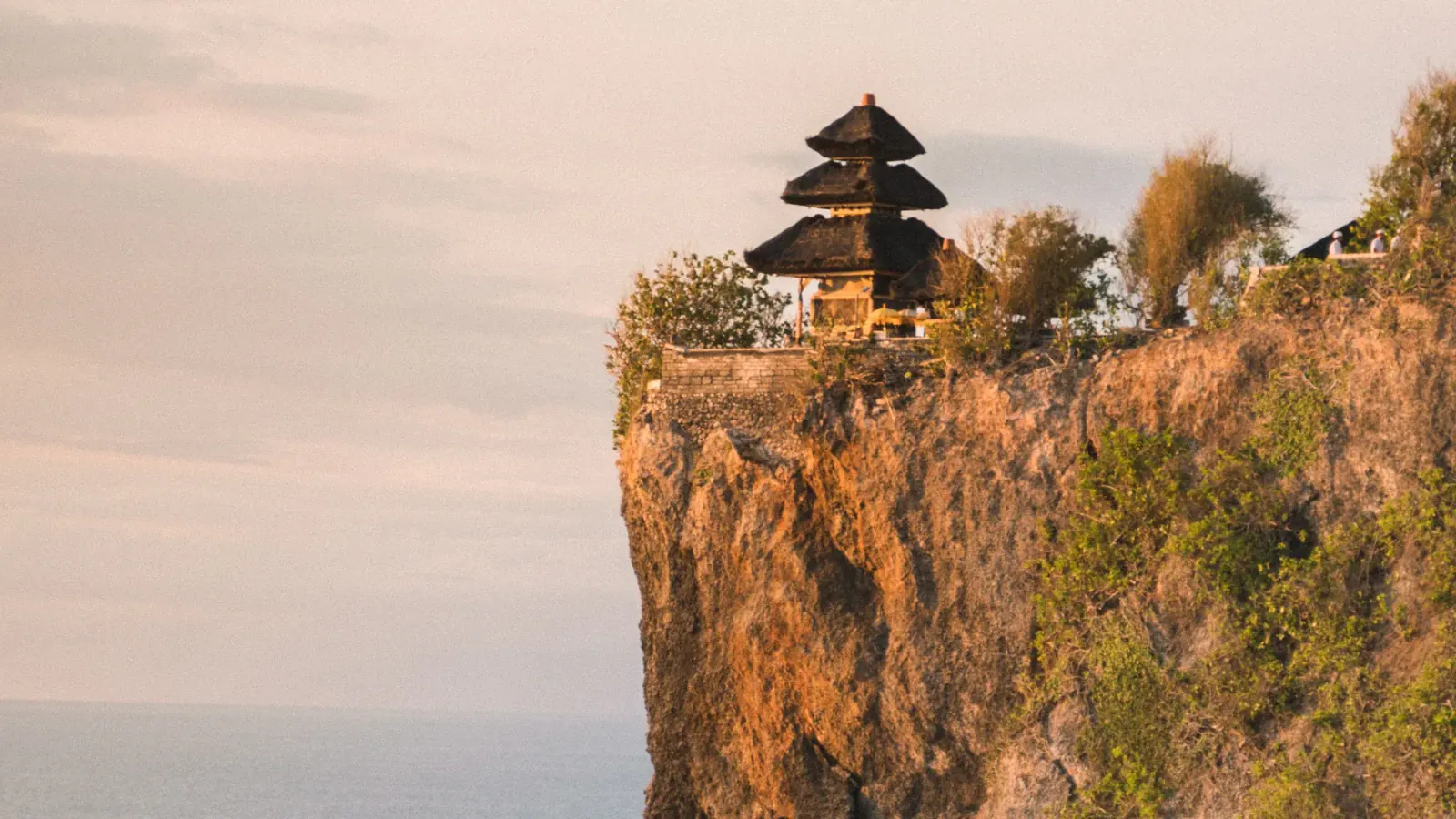
Bali's Hindu temples perch dramatically on clifftops above the surf. Uluwatu, on the southern tip, hosts a nightly Kecak fire dance at sunset; Tanah Lot sits on a rock you can walk to at low tide. Both are unforgettable at golden hour.
Uluwatu entry 50,000 IDR (~$3); Kecak dance ticket 150,000 IDR (~$9), 6 PM.
Tegallalang Rice Terraces & Ubud
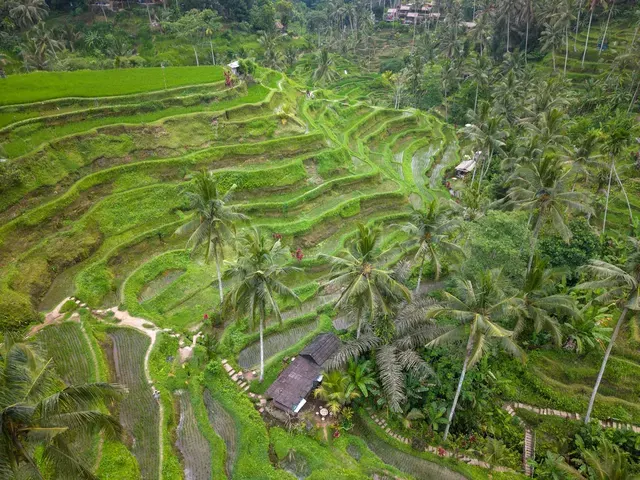
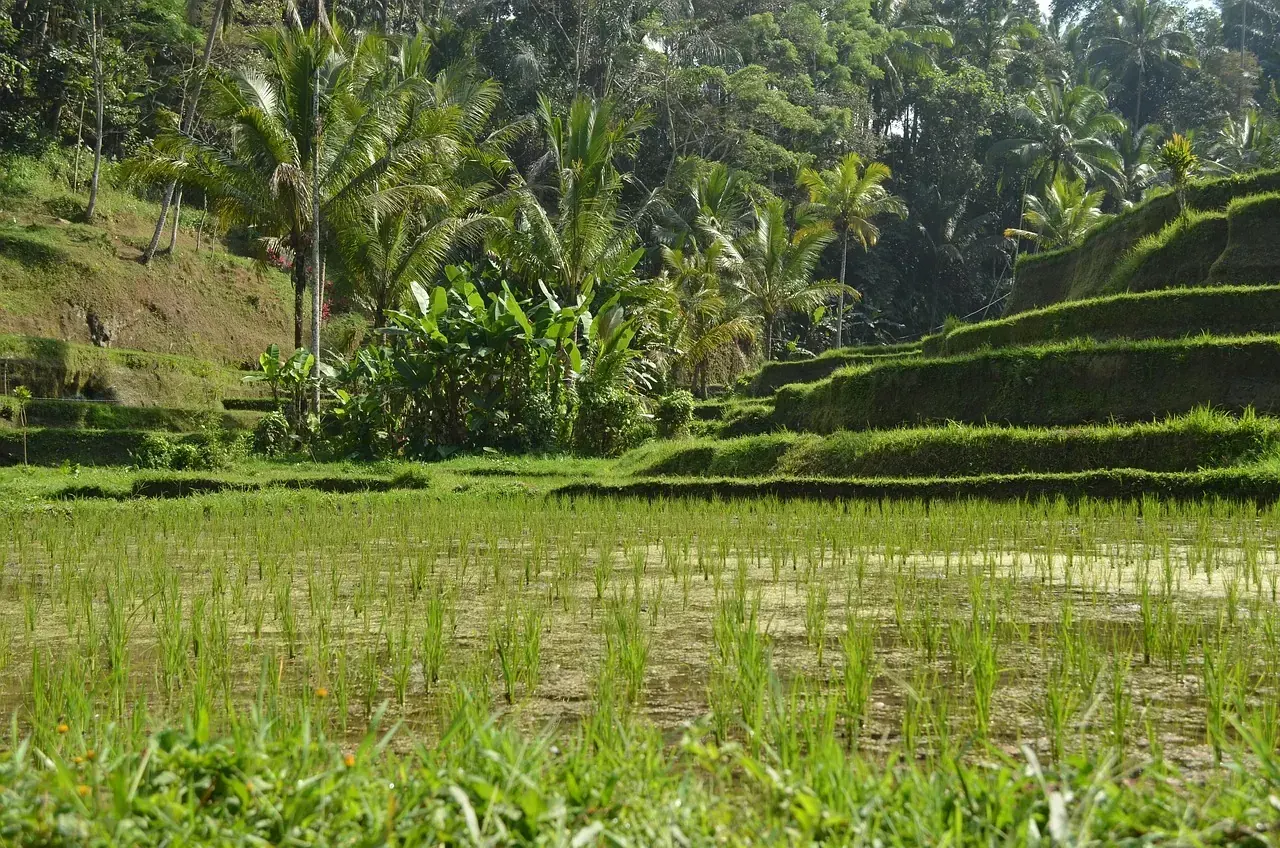
The sculpted rice paddies around Ubud are Bali's iconic image - tiered green steps tumbling down a river valley. Walk the paths at dawn, then explore Ubud's monkey forest, art market, palaces and warungs. Ubud is the cultural and spiritual heart of the island.
Tegallalang entry ~25,000 IDR (~$1.60); Monkey Forest 80,000 IDR (~$5).
Mount Batur Sunrise Trek
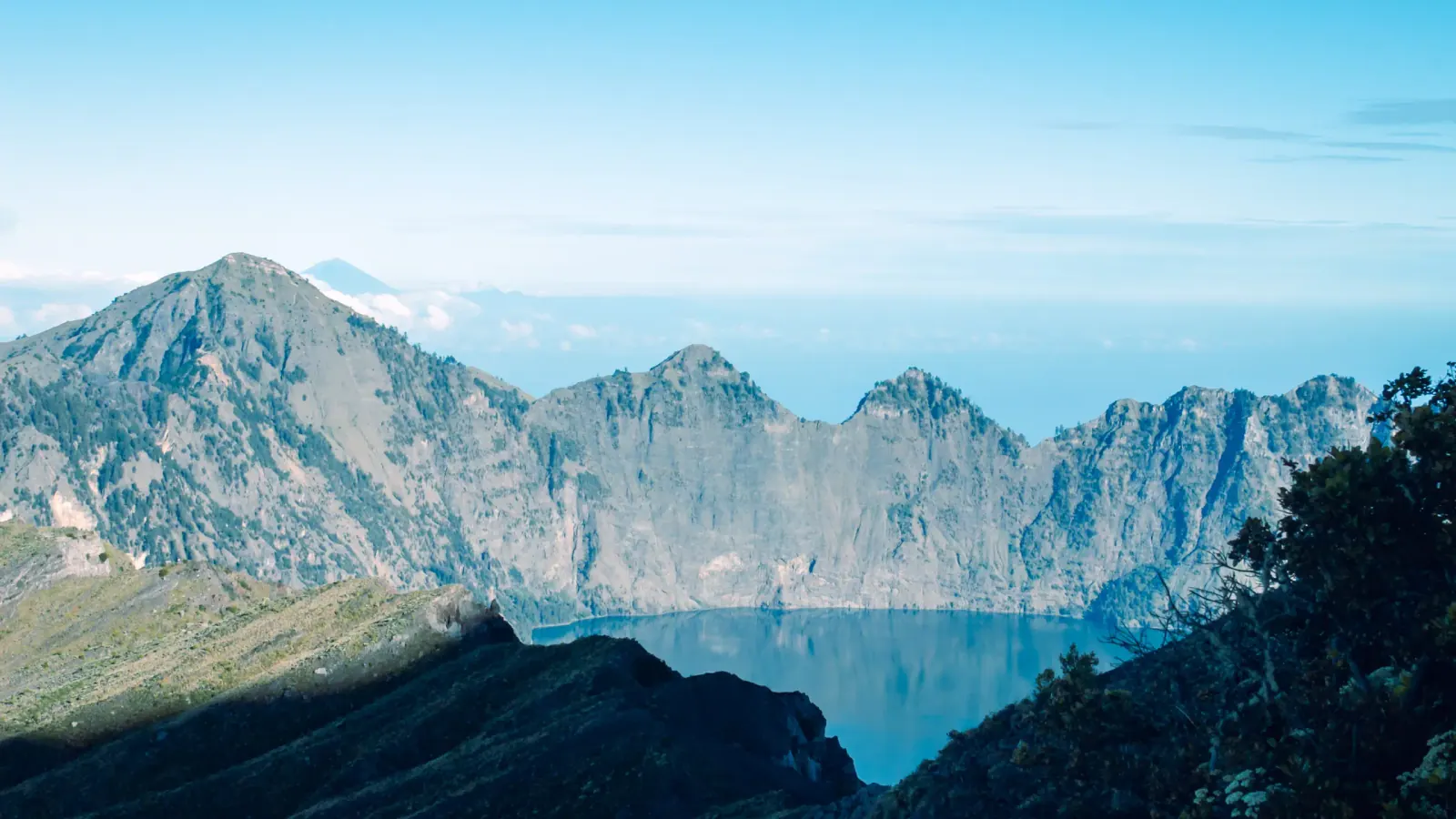
A pre-dawn hike up an active volcano for one of the world's great sunrises, looking out over Mount Agung and Lake Batur. It's a 2-hour climb with a torch, best done with a guide. The reward: breakfast cooked on volcanic steam at the summit.
Guided trek from ~600,000 IDR (~$37), including transport from Ubud.
Surf, Beaches & Beach Clubs
From beginner breaks at Kuta and Batu Bolong to the reef walls of Uluwatu and Padang Padang, Bali is a surfing mecca. Off the board, spend days at the famous beach clubs - Finns, Potato Head, Savaya - or the quieter sands of Seminyak, Sanur and Nusa Dua.
Waterfalls of North Bali
Head north for a string of spectacular falls - the thundering Sekumpul, the twin cascades of Nungnung and the swimmable Tibumana. Combine them with the cooler highland town of Munduk and the volcanic lakes for a full-day loop away from the coast.
Entry per waterfall 20,000-30,000 IDR (~$1.25-1.90).
Nusa Islands & Day Trips
A 30-minute boat from Sanur lands you on the Nusa islands - Nusa Penida for the dramatic Kelingking Beach cliffs and manta-ray snorkelling, Nusa Lembongan for laid-back beach and seaweed farms, connected by a yellow bridge to tiny Ceningan.
Transport
How to Get Around Bali
Bali has no trains and little public transit - you get around by scooter, private driver or ride-hail app. Traffic in the south (Kuta, Seminyak, Canggu) can be heavy, so budget extra time. Most visitors rent a scooter or hire a driver for the day.
- Scooter rentalThe most flexible option - 60,000-100,000 IDR ($4-6)/day. Only if you're a confident rider with a licence and helmet; traffic and blind corners are unforgiving.
- Private driverBest value for groups - a full day with an English-speaking driver/guide runs ~600,000-800,000 IDR ($37-50). Ideal for day trips and temple loops.
- Grab & GojekApp rides and food delivery across the south - Gojek bikes weave through traffic; cars are cheap and honest. Note some villages restrict ride-hail pickup.
- Blue Bird taxisThe reliable metered option at the airport - insist on the meter and avoid the “fixed price” touts.
Ngurah Rai Airport (DPS) sits between Kuta and Sanur - a pre-booked transfer to your hotel is simplest. Beyond Bali, hop to the Gili Islands and Lombok, the dragons of Labuan Bajo, or fly onward to Java's Yogyakarta.
Accommodation
Where to Stay in Bali
Bali's regions are radically different - your base defines your whole trip. Choose by mood: party beaches, quiet rice fields, surf cliffs or family resorts. For villa ideas, see our best villas in Ubud guide.
Ubud - best for culture, yoga & rice fields
The lush inland spiritual heart - temples, rice terraces, yoga shalas, vegan cafés and the art market. Cooler, greener and quieter than the coast. Ideal for couples, solo travellers and anyone seeking calm.
Seminyak & Canggu - best for beach clubs & surf
The trendy west-coast scene - Canggu for surf and digital nomads, Seminyak for upscale beach clubs, boutiques and sunset cocktails. Lively and international.
Uluwatu - best for cliffs & beaches
Dramatic limestone cliffs, hidden cove beaches and Bali's best surf on the southern Bukit peninsula. High-end cliffside villas and beach clubs like Savaya. Choose it for scenery and surfing over walkability.
Kuta / Legian - best for budget & nightlife
The original backpacker and surf-school strip near the airport - cheap, loud and convenient. Great for a first night and learner waves, less so for a tranquil escape.
Sanur & Nusa Dua - best for families
Calmer east-coast and resort enclaves with gentle swimming beaches, family-friendly hotels and the Sanur boat hub for the Nusa islands. Relaxed and safe.
Food & drink
What & Where to Eat in Bali
Eat at a family-run warung for the real Bali - incredible food for a couple of dollars - and at the beach clubs and fine-dining rooms for the island's renowned international scene. Both coexist perfectly.
Nasi goreng and mie goreng - the everyday fried rice and noodle staples. Babi guling - Balinese suckling pig, the ceremonial dish (try Ibu Oka in Ubud). Bebek betutu - slow-roasted spiced duck. Satay skewers and gado-gado peanut salad round out the classics.
For Western cravings, Canggu and Seminyak do world-class coffee, brunch and healthy bowls; for a splurge sunset, book a daybed at a clifftop beach club. Tap water is not safe - drink bottled or filtered.
- Local warungsMeals 20,000-50,000 IDR ($1.25-3) - the best authentic food and value. Follow the locals.
- Canggu / SeminyakThe international café, brunch and fine-dining belt - excellent but at Western prices.
- Ubud marketsThe traditional Pasar for fruit, spices and snacks, plus the renowned vegan and raw-food scene.
Plan your trip
Practical Tips & Budget
US, UK, EU, Australian and most other passport holders need a visa on arrival or e-VOA (IDR 500,000, about US$30, as of November 2026; a higher fee has been announced) for 30 days, extendable once; only ASEAN nationals enter visa-free (see our SE Asia visa guide). You'll also pay the Bali tourist tax (150,000 IDR, ~$9) on arrival. The currency is the Indonesian rupiah (IDR) - carry cash for warungs and small temples. A temporary driving permit is legally required to ride a scooter.
How much does Bali cost?
- Budget$20-35/day - hostel or basic homestay ($8-15), warung meals ($2-4), scooter and a temple or two.
- Mid-range$50-100/day - a private villa or boutique hotel with pool, beach-club lunches and day trips with a driver.
- Luxury$200+/day - a clifftop villa, fine dining, spa days and private guided treks.
Good to know
- Apps: Grab and Gojek for rides, food and groceries; WhatsApp to message drivers and villas.
- Sarong: Required (often provided) at temples - carry your own to save rental fees.
- Haggling: Expected in markets - start at 40-50% of the asking price and smile.
- Monkeys: Secure your sunglasses, phones and snacks at Uluwatu and the Monkey Forest.
- Respect: Bali is deeply Hindu - dress modestly at temples and step around the daily offerings on the ground.
Ready to plan a route? Pair this with our Bali 7-day itinerary, the Bali budget travel guide and our Canggu vs Seminyak comparison.