
Angkor temples, riverside towns, and the southern coast
Planning a Cambodia trip: Angkor, daily budgets and entry rules
Updated
Cambodia at a glance
Cambodia is mainly visited for the temples of Angkor, with Phnom Penh and the Kampot coast as the usual additions. A week covers Siem Reap and the capital; two weeks adds the south. Budget travellers spend about US$20-30 a day and mid-range travellers US$40-60, plus the Angkor pass. November to March is driest.
| Best months | November-March (December and January are the most comfortable) |
|---|---|
| Trip length | 1 week for Siem Reap and Phnom Penh; 2 weeks to add Kampot and Kep |
| Daily budget | US$20-30 backpacker, US$40-60 mid-range |
| Visa | US$30 visa on arrival or e-visa (30 days) for most passports |
| Currency | US dollar used everywhere alongside the riel (KHR), about 4,080 riel to US$1 |
| Main gateways | Phnom Penh Techo International (KTI), Siem Reap-Angkor International (SAI), Sihanoukville (KOS) |
| Getting around | Buses between towns; Grab, PassApp and tuk-tuks in cities |
Where to stay
Find hotels in Cambodia
Choose a destination to check live rates and availability for your dates.
How many days do you need in Cambodia?
A week covers Siem Reap and Phnom Penh; two weeks adds the south around Kampot.
Give Siem Reap 3-5 days. One day sees the main Angkor temples, but the 3-day pass (US$62, usable over 10 days) lets you add Banteay Srei and Beng Mealea without rushing. Phnom Penh needs 2-3 days for the Royal Palace, the National Museum and the riverside.
The two-week route in the Cambodia budget guide runs Siem Reap (4 days), Phnom Penh (3), Kampot (4) and Kep (1), then back to Phnom Penh to fly out. Cambodia is also part of the final week of the 1-month Southeast Asia itinerary.
Where should you go in Cambodia?
Start in Siem Reap for Angkor, continue to Phnom Penh, then choose between the Kampot coast and Battambang.
- Siem Reap: the base for the temples of Angkor.
- Phnom Penh: the riverside capital, about 6 hours from Siem Reap by bus.
- Kampot: a river town 3.5 hours south of Phnom Penh, with Kep 30 minutes away.
- Battambang: 4 hours from Siem Reap by road, or 6-8 hours by boat.
- Sihanoukville: the departure point for boats to the southern islands.
How much does Cambodia cost per day?
Budget travellers spend about US$20-30 a day in Cambodia and mid-range travellers US$40-60, plus the Angkor pass.
Dorm beds and basic guesthouses cost US$4-8, local meals US$2-3 and short tuk-tuk rides US$1-3. The Angkor pass is the largest single cost: US$37 for one day, US$62 for three, US$72 for seven. A full-day tuk-tuk around the temples costs US$15-20, or about US$4-7 each when shared. Two weeks of backpacking comes to roughly US$245-390 before flights and the visa.
Full breakdown: Cambodia travel costs guide, and Cambodia travel cost per day vs other SE Asia countries.
When is the best time to visit Cambodia?
November to March is the dry season and the best time to visit; December and January are the most comfortable months.
Heat builds through March and April, with highs around 35-36°C. Rain runs from June to October and peaks in September and October, when roads around Siem Reap can flood; in return the Angkor moats are full and the temples are quiet. Hotel prices run about 25-40% higher in the November-March high season.
Monthly temperatures and rainfall: best time to visit Cambodia.
Do you need a visa for Cambodia?
Most visitors need a visa: a 30-day tourist visa costs US$30, either on arrival or as an e-visa bought in advance.
The e-visa is sold on the official Cambodia e-Visa site and takes about 3 business days. For a visa on arrival, bring US dollars in cash and a passport photo. Air arrivals must also complete the free e-Arrival Card within 7 days before landing. ASEAN nationals except Myanmar enter visa-free for 14-30 days, and the tourist visa can be extended once by 30 days inside Cambodia.
Cambodia was last fully verified in May 2026 (fee and arrival card rechecked in November), so confirm on the official portal. Every passport: visa requirements for Cambodia.
Is Cambodia safe?
The everyday risks UK government advice describes in Cambodia are theft and scams, but two area warnings matter: the UK advises against all but essential travel within 20 km of the Thai border, and landmines remain in rural areas.
- Bag and phone snatching from motorbikes, often causing injury, especially on Phnom Penh's riverfront and in BKK, and in Sihanoukville's beach areas.
- Fake or damaged dollar notes handed over as change in shops and clubs.
- Drink spiking in some bars, plus methanol-contaminated alcohol.
- Job scams: "easy jobs with high pay" adverts used to traffic people into scam compounds.
Stay on main paths in the countryside, including around temple complexes. Emergency numbers: police 117, fire 118, ambulance 119; Phnom Penh tourist police +855 12 942 484.
SIM cards and eSIMs in Cambodia
Cambodian SIM cards have to be registered to an identity document, so bring your passport when you buy one.
Smart, one of the main networks, sells a Smart Traveller SIM for visitors, and its registration process accepts a passport scan, with an optional face scan to protect the account. Buy from an operator's own shop or counter so the SIM is registered in your name. Mobile data is worth having here: Grab and PassApp both run in Phnom Penh and Siem Reap, and booking through them avoids haggling over tuk-tuk fares.
Getting around Cambodia
Fly into Phnom Penh or Siem Reap, take buses between towns and use Grab or PassApp within them.
- Phnom Penh Techo International (KTI): the capital's new airport, about 20 km south of the centre. Official taxis and Grab, WowNow and PassApp cars serve it; the airport quotes about US$10-20 to the city.
- Siem Reap-Angkor International (SAI): opened in late 2023 well outside town, so arrange a shuttle or transfer before you land.
Buses run Siem Reap to Phnom Penh in about 6 hours (US$10-15) and Phnom Penh to Kampot in 3.5 hours. Agree tuk-tuk fares before you get in. UK advice says road crash rates are among the highest in the region, especially at night, and that land crossings with Thailand remain suspended, so overland travel from Bangkok is not currently possible.
Explore Cambodia
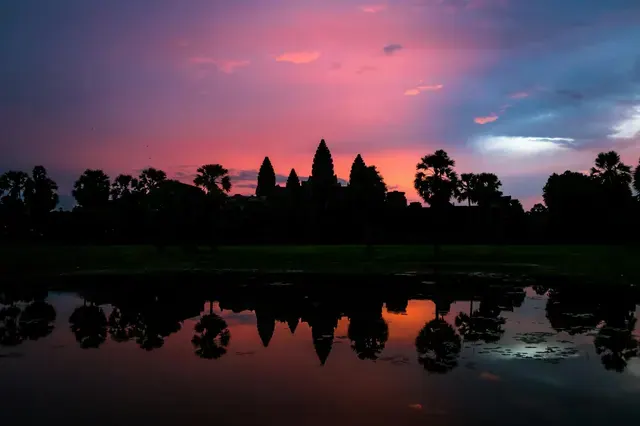
Siem Reap
Gateway to Angkor Wat and ancient Khmer wonders.
Siem Reap travel guide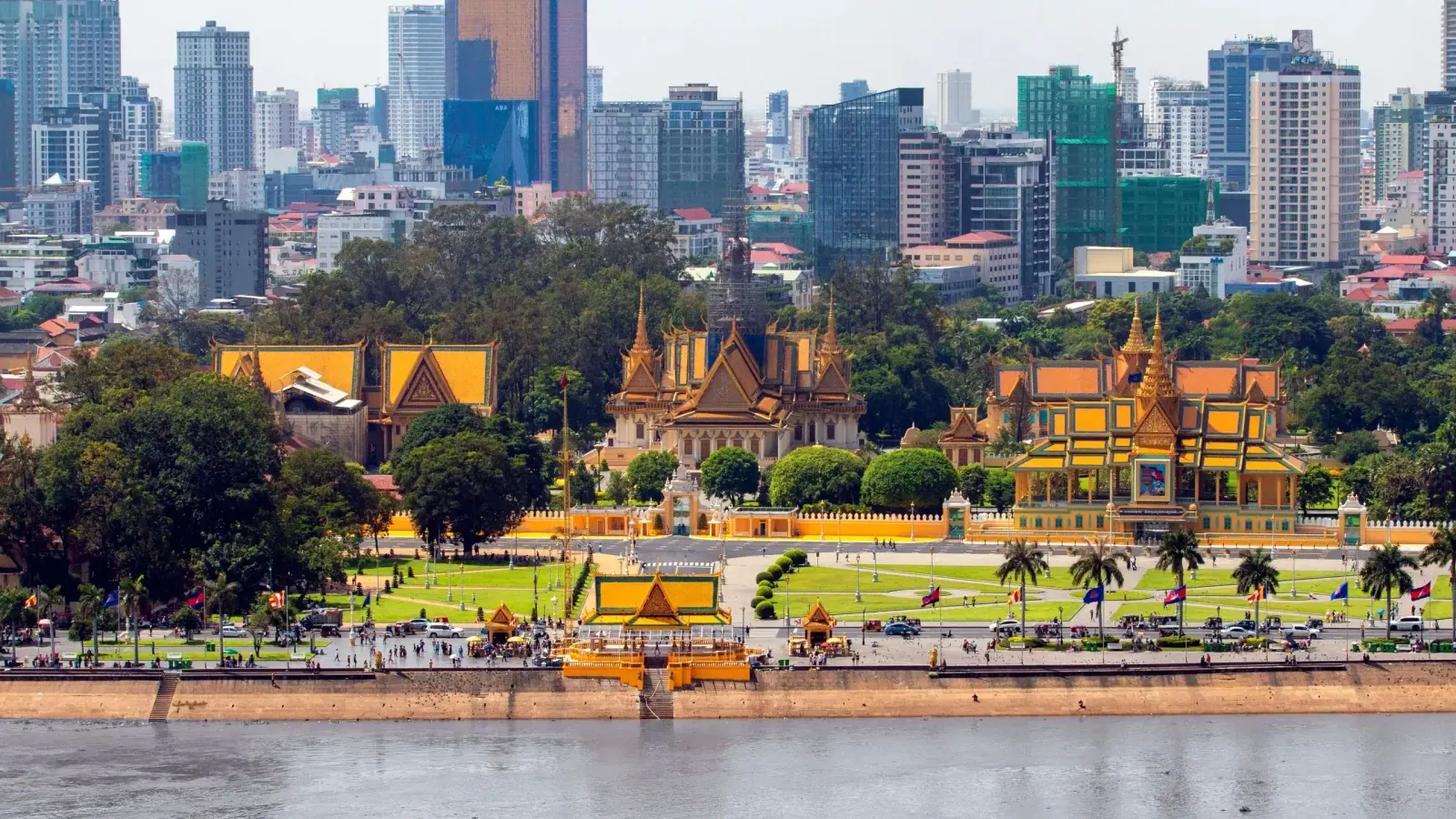
Phnom Penh
Vibrant capital with royal palaces and riverside promenades.
Phnom Penh travel guide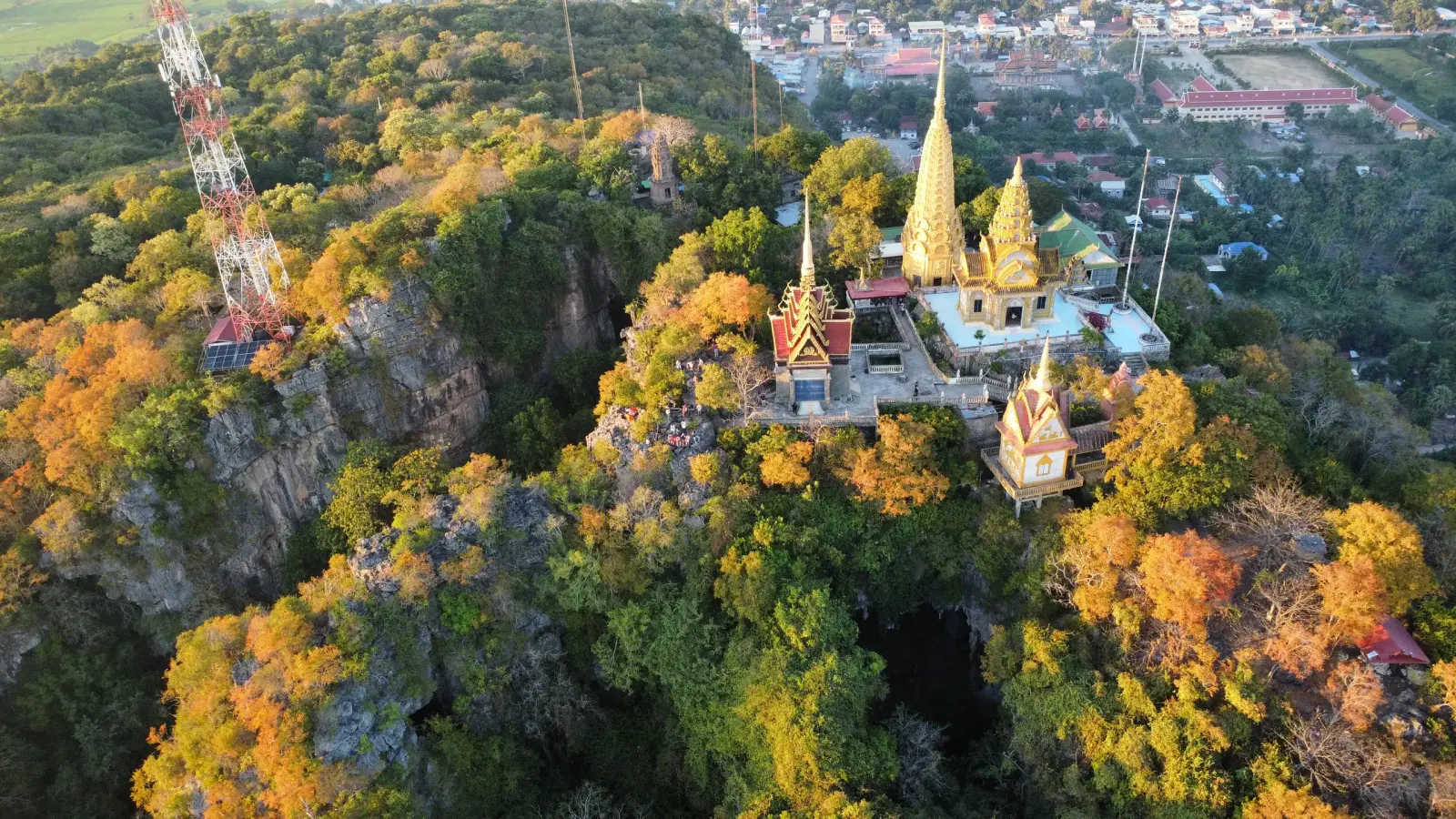
Battambang
Colonial architecture, bamboo train, and countryside charm.
Battambang travel guide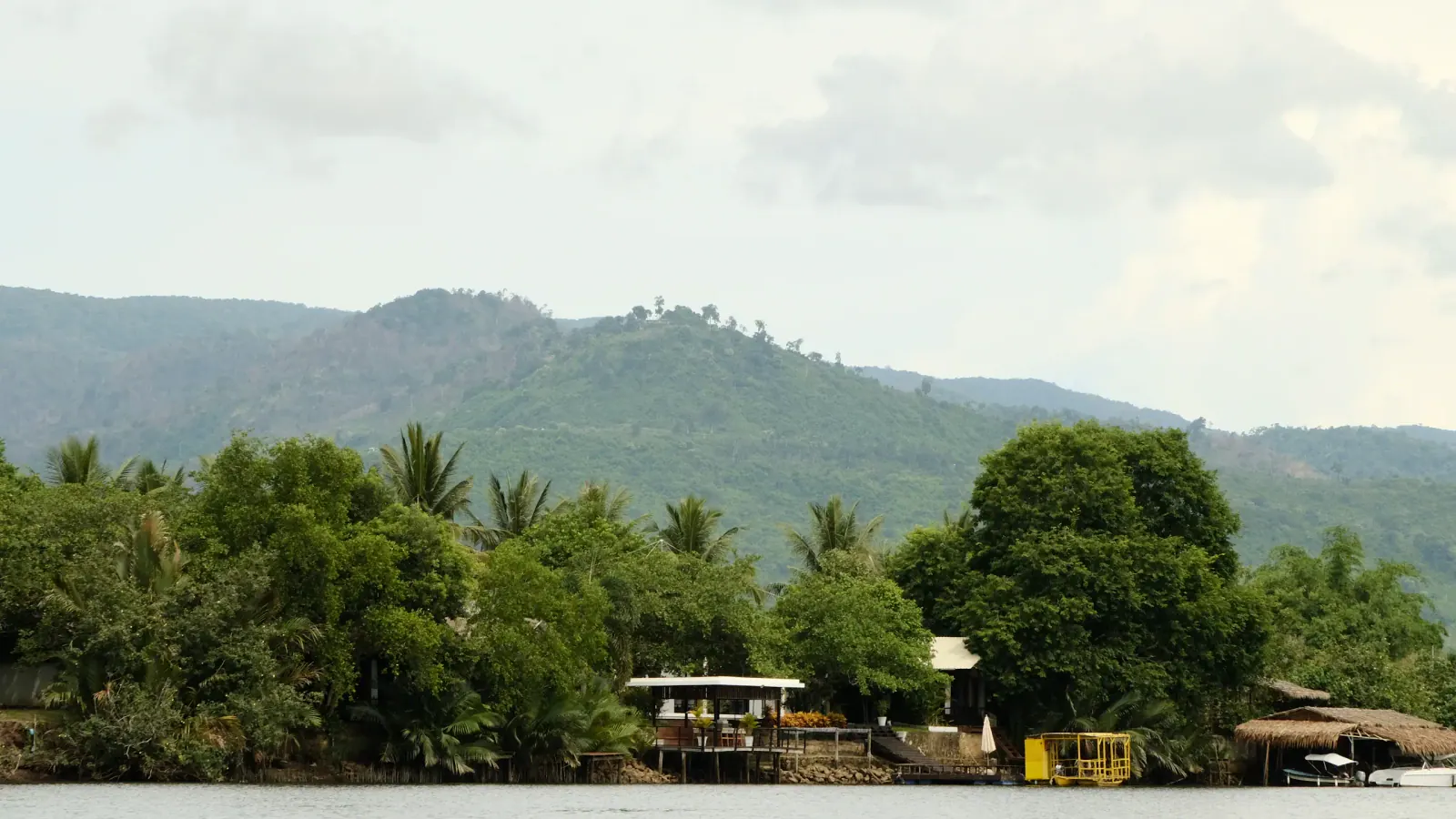
Kampot
Riverside town famous for pepper farms and Bokor Hill.
Kampot travel guide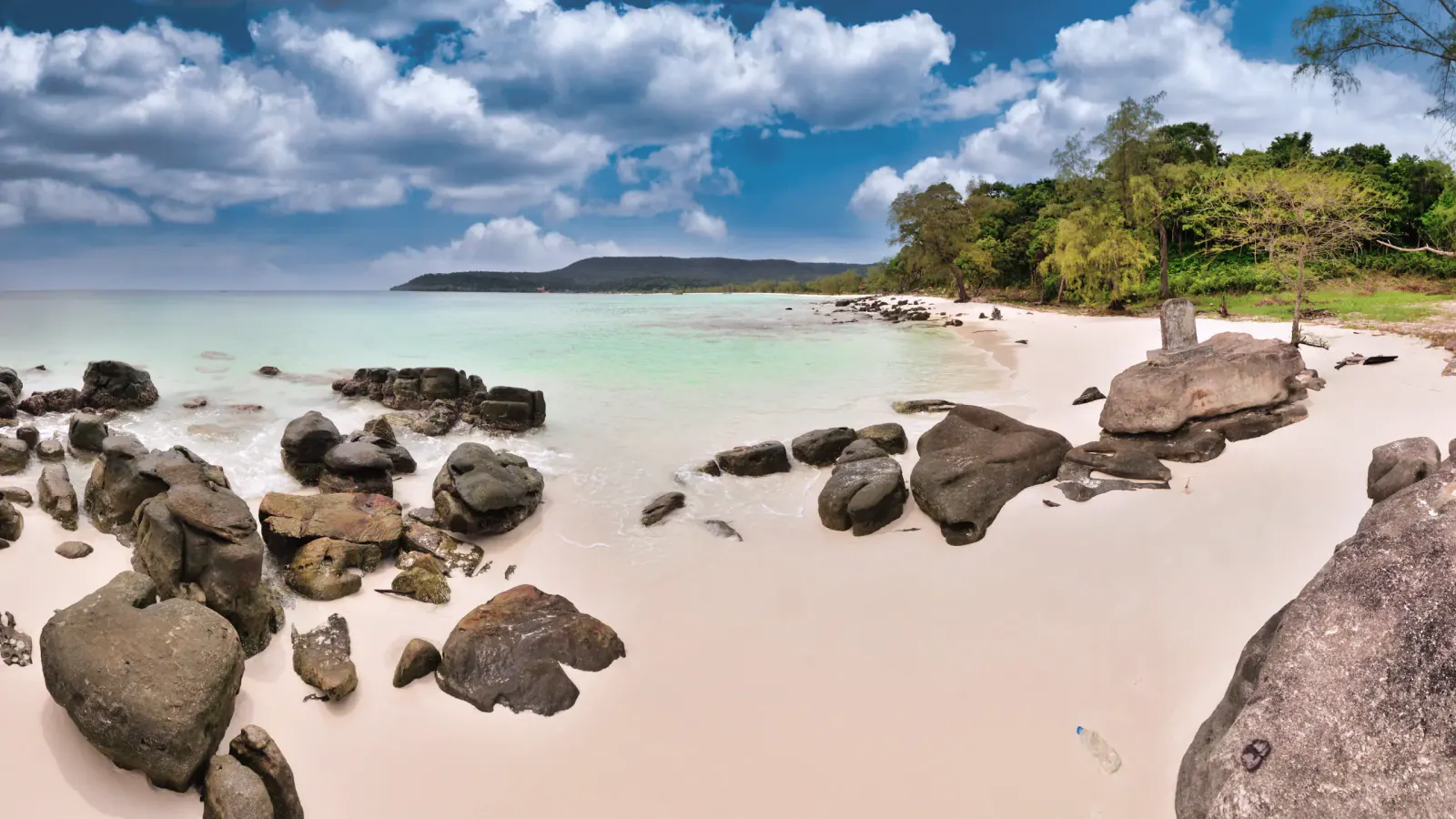
Sihanoukville
Coastal gateway to pristine Cambodian islands.
Sihanoukville travel guideVisiting Cambodia
Should I use US dollars or riel in Cambodia?
How much is the Angkor pass?
Can I travel overland from Thailand to Cambodia?
Plan your trip
Cambodia travel guides
Sources
Official pages used to check the visa, transport and safety facts on this page. Rules change, so confirm with them before you travel.
- Cambodia e-Visa - Ministry of Foreign Affairs and International Cooperation, Cambodia
- Cambodia e-Arrival Card - Government of Cambodia
- Cambodia travel advice: warnings and border areas - UK Foreign, Commonwealth & Development Office
- Cambodia travel advice: entry requirements - UK Foreign, Commonwealth & Development Office
- Cambodia travel advice: safety and security - UK Foreign, Commonwealth & Development Office
- Cambodia travel advice: getting help - UK Foreign, Commonwealth & Development Office
- Airport guide and transportation - Techo International Airport
- SIM registration - Smart Axiata
Explore Southeast Asia
More destinations
11 destinations
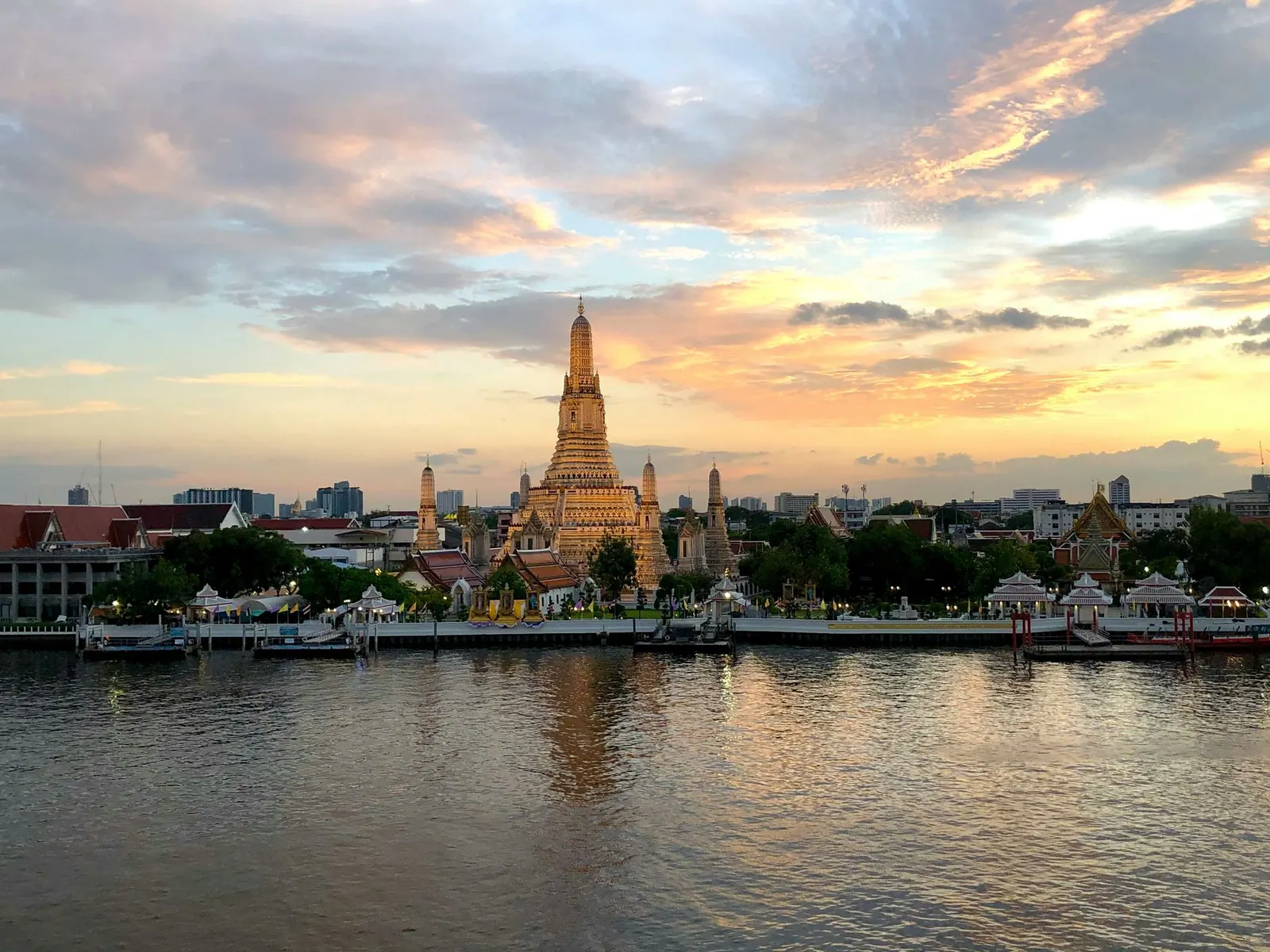
Thailand
River cities, northern temples, and islands on two coasts
10 destinations
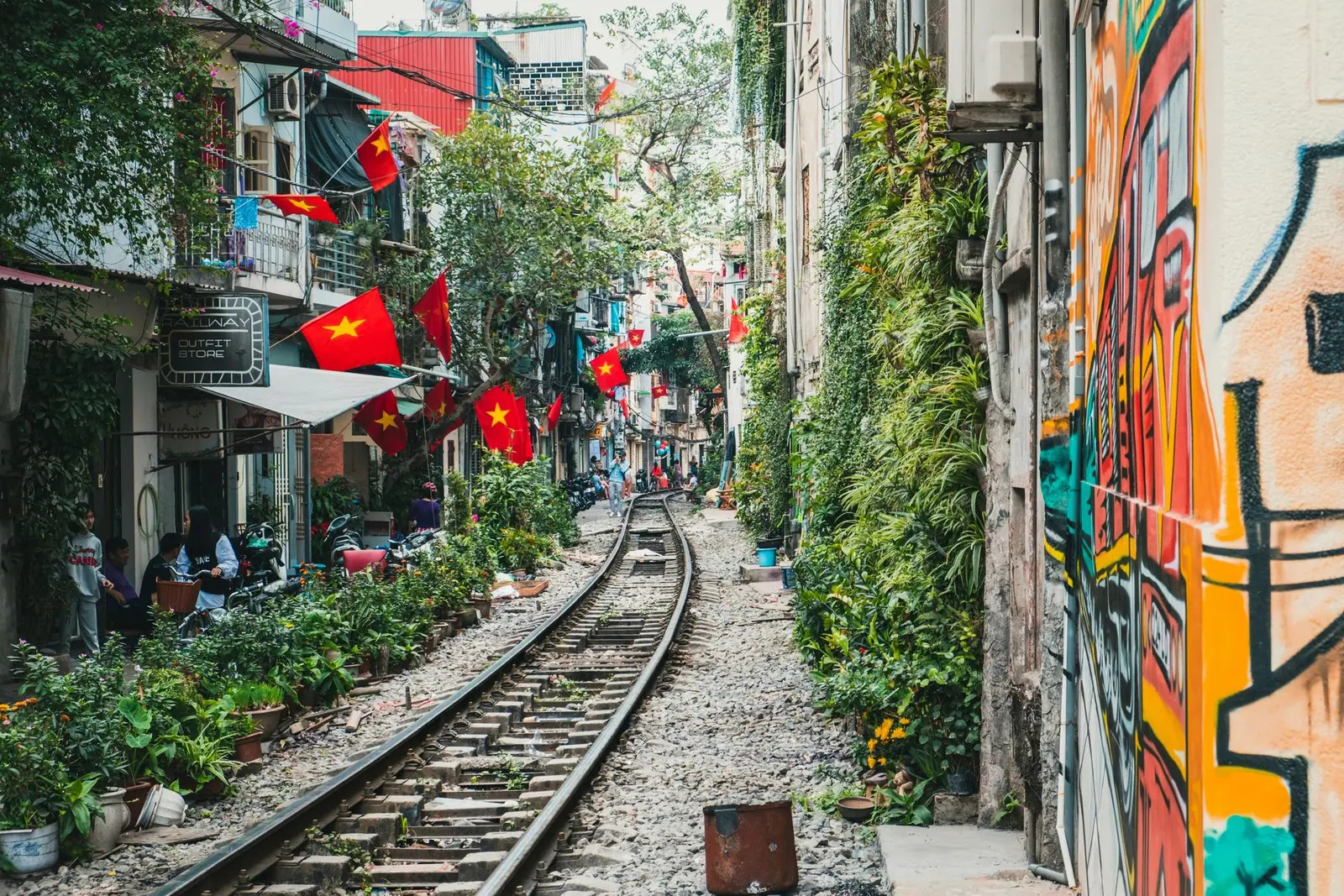
Vietnam
Old quarters, coastal towns, and mountain landscapes
9 destinations
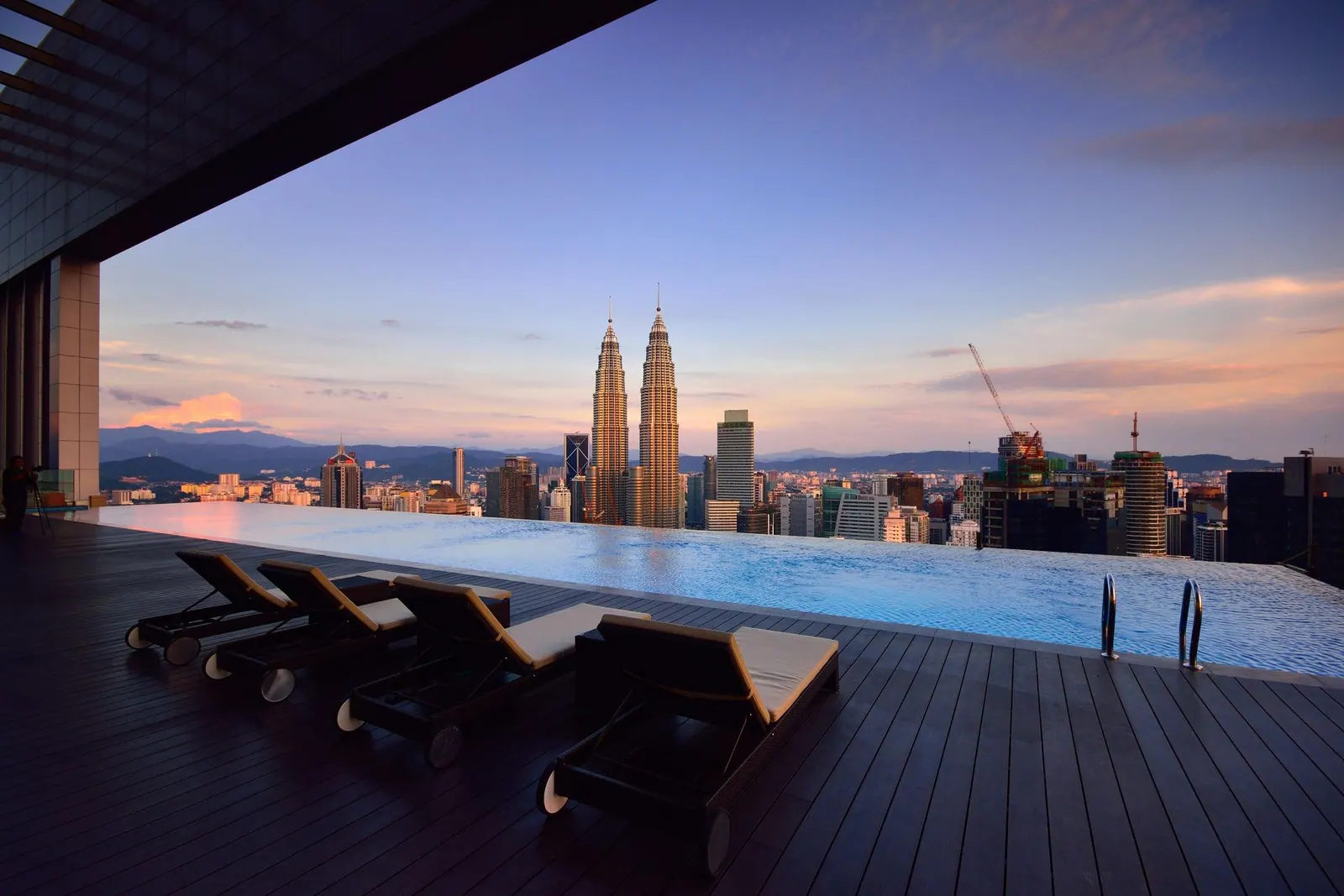
Malaysia
Food-led city breaks, rainforest, and island stays
12 destinations
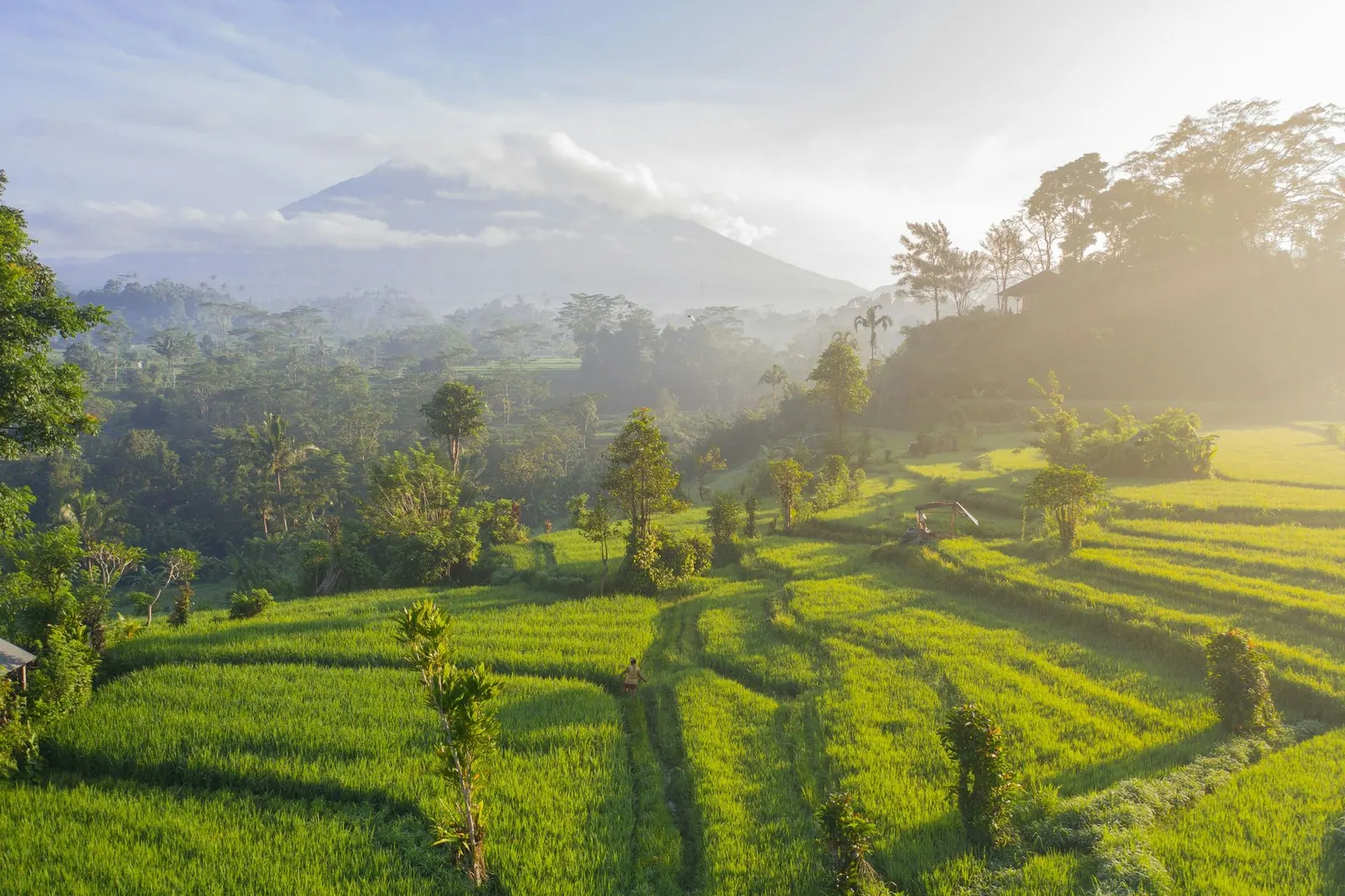
Indonesia
Volcanic landscapes, temple towns, and surf coasts
10 destinations
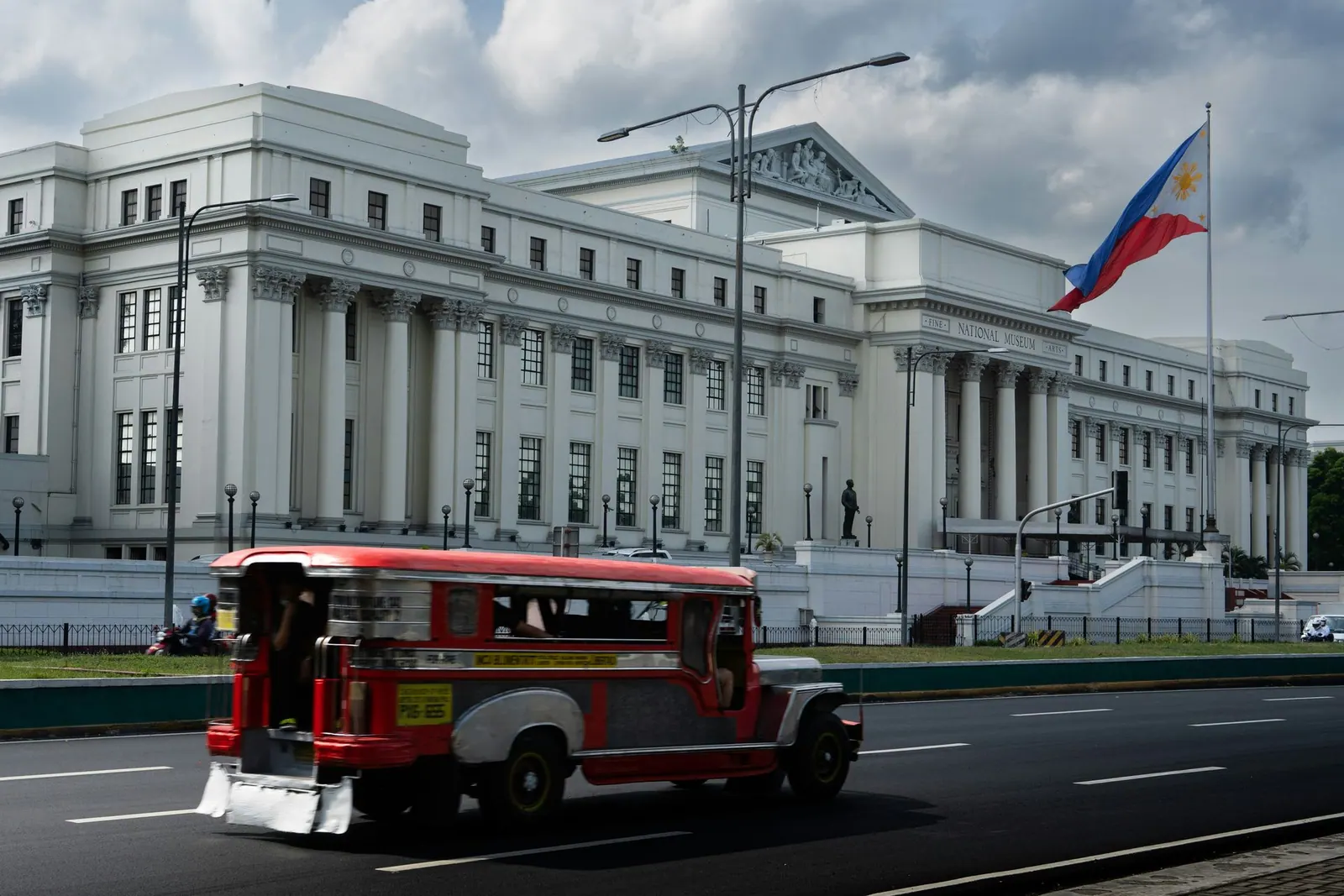
Philippines
Island hopping, reef diving, and mountain towns
4 destinations
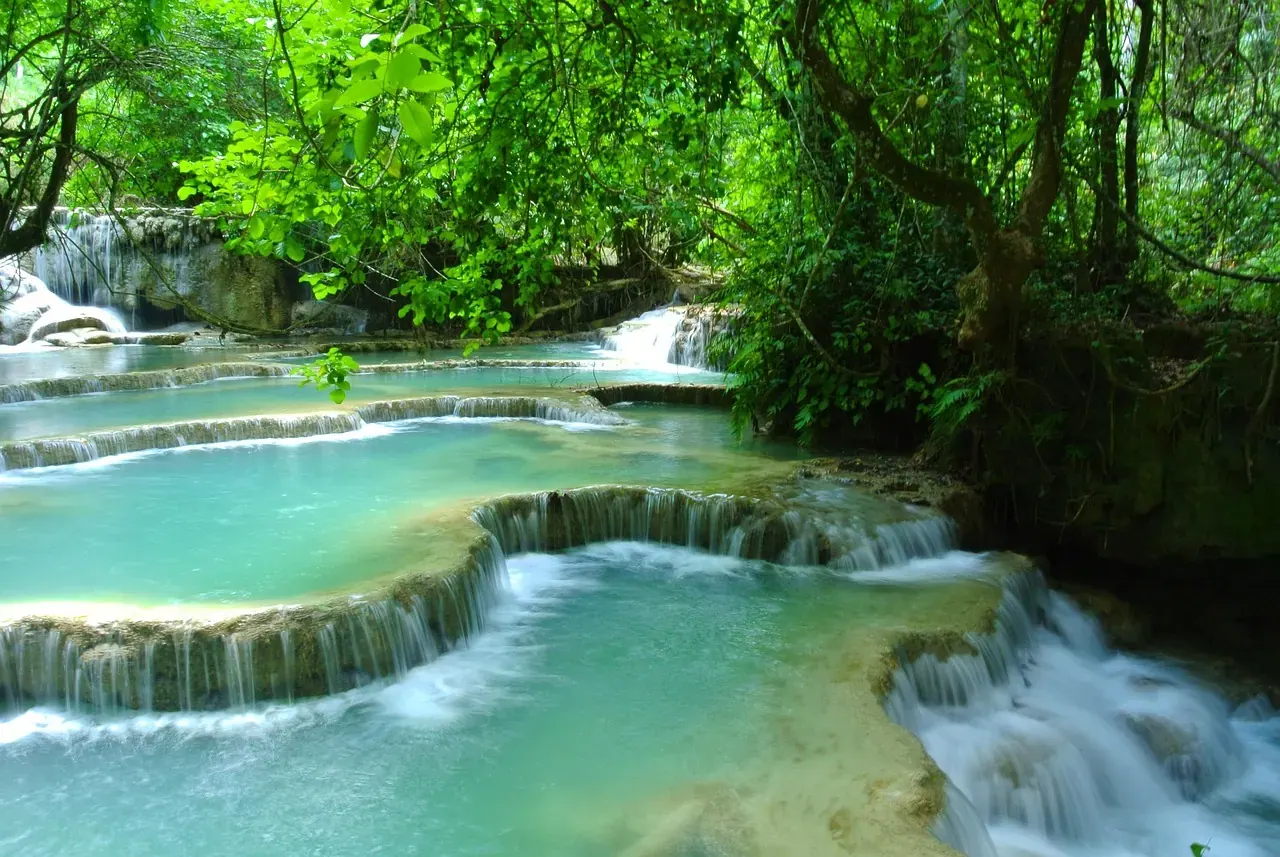
Laos
Mekong towns, limestone mountains, and temple walks
1 destination
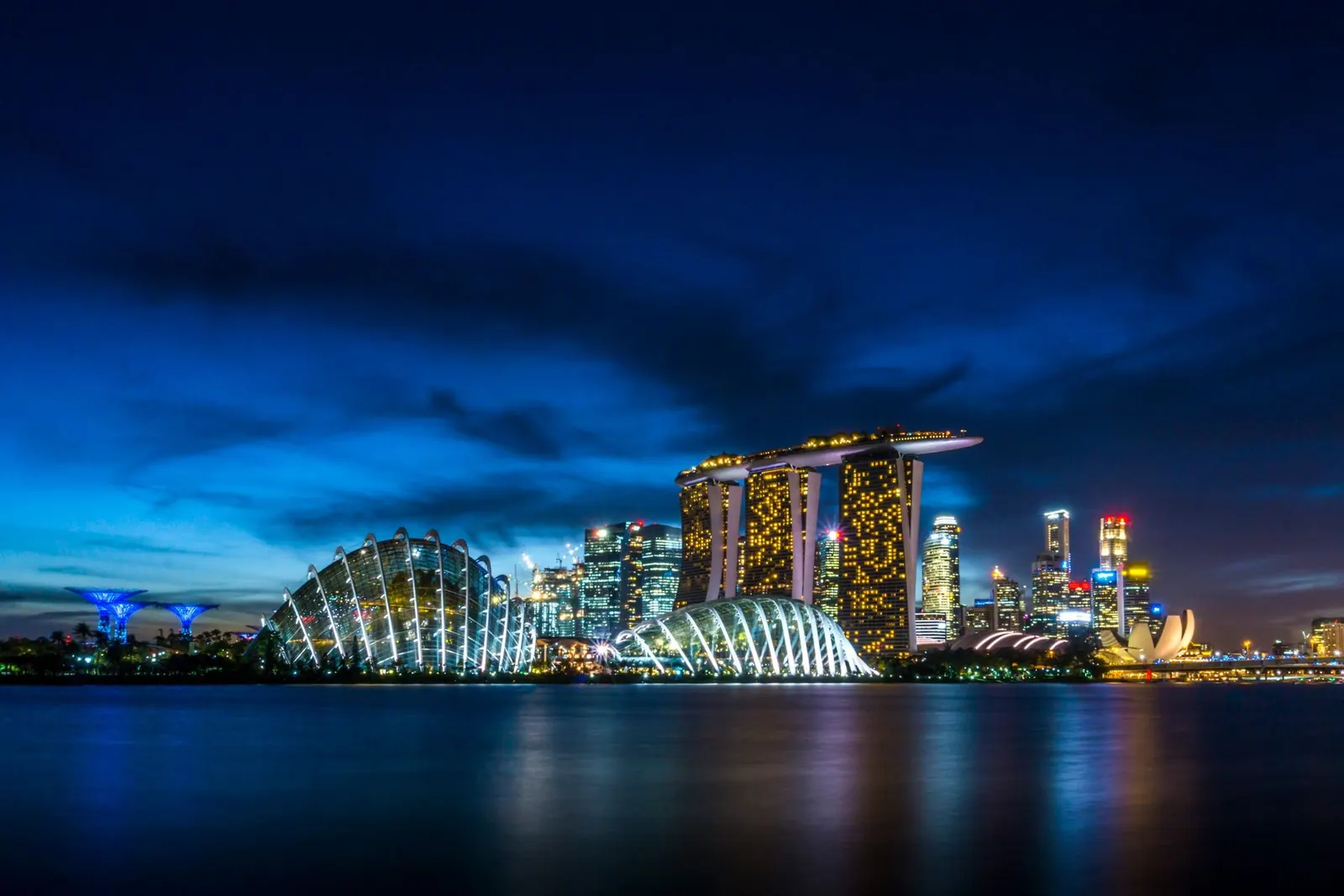
Singapore
Hawker food, neighbourhood walks, and waterfront gardens

1 destination
Hong Kong
Harbour walks, hillside trails, and neighbourhood dining