When to go
When is the best time to visit Chiang Mai?
Chiang Mai's northern, elevated setting gives it a cooler climate than Bangkok and a clearer seasonal rhythm. The cool dry season from November to February is the ideal time - warm days, chilly evenings and clear mountain views. This is peak season for good reason.
- Nov-FebCool & dry - the best time. Days 25-30 °C, evenings can drop to 15 °C. Book ahead for Yi Peng lantern festival (November) and peak season.
- Yi PengThe lantern festival falls on the full moon of the 12th lunar month - in 2026, expect it around November 5-7. The lantern release at Mae Jo University is the iconic event. Book hotels months in advance, as prices triple during this period.
- Mar-MayHot season - 35-40 °C and the burning-season smoke from farm fires can cloud the air in March-April. Water fights of Songkran (mid-April) are a blast.
- Jun-OctRainy (green) season - hot, humid and lush, with short afternoon downpours. The cheapest, quietest and greenest time to visit.
Attractions
Things to Do in Chiang Mai
Chiang Mai blends ancient Lanna culture, mountain adventures and a world-class food and café scene at a slower pace than Bangkok. Three to five days is ideal: three days covers the main temples, night markets and a cooking class or elephant visit, while five days lets you add a hill tribe trek or a day trip to Doi Inthanon National Park.
The Old City & Its Temples
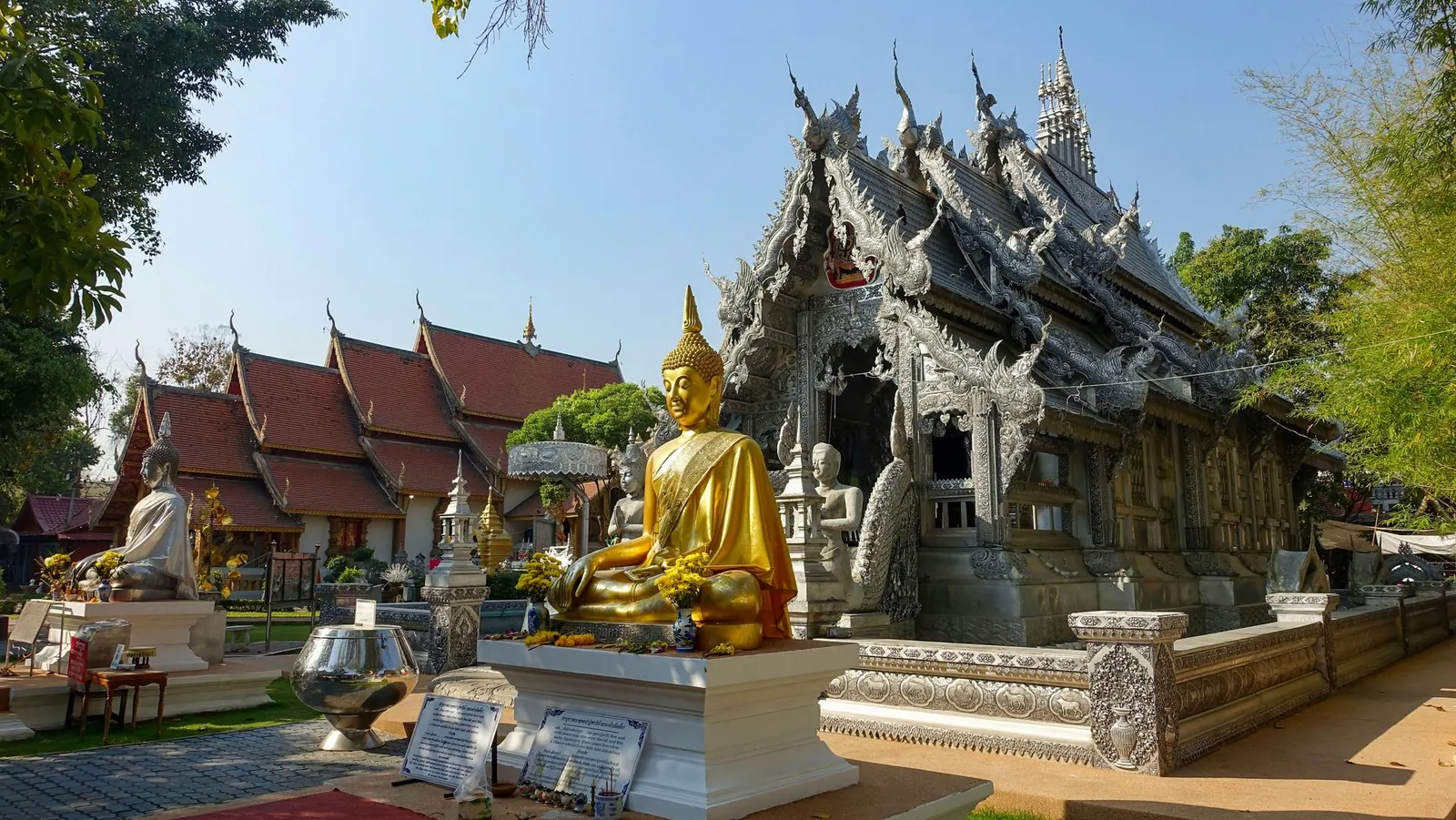
A moated square of lanes, gates and over 30 gilded temples competing for your attention. Don't miss Wat Chedi Luang (the ruined earth-brick stupa, some 600 years old), Wat Phra Singh (home of the Lion Buddha, the city's most revered image) and Wat Chiang Man, the oldest, dating to 1296. Rent a bicycle (50-100 THB/day) and temple-hop at your own pace, or wander - it's compact and flat.
Many temples are free; others charge 20-50 THB (~$0.60-1.45). Most are open 6 AM-5 PM. Dress modestly - cover shoulders and knees.
Doi Suthep & Wat Phra That
The golden mountaintop temple gleaming above the city - climb the 306-step naga stairway (or take the funicular) for the gilded chedi, bells and a sweeping view over Chiang Mai. The most iconic image of northern Thailand; best at sunrise or sunset.
Entry 30 THB (~$0.85); open 6 AM-6 PM. 15 km from the centre - a red songthaew from the Old City costs 50-80 THB one way, or take a winding scooter ride up. Go early morning for clear views over the city and Ping River valley and to beat the heat.
Elephant Sanctuary Visit
Northern Thailand is the heartland of ethical elephant tourism. Skip the riding camps and choose a genuine sanctuary (Elephant Nature Park is the gold standard) where you feed, walk with and observe rescued elephants in their natural setting. A half- or full-day, book ahead.
2,000-3,000 THB ($55-85) for a full day including transport and lunch. Book at least 2 weeks in advance for the top sanctuaries.
Night Bazaar & Sunday Walking Streets
Chiang Mai's night markets are legendary. The Sunday Walking Street turns the Old City into a pedestrian festival of handicrafts, food and live music; the Saturday Wua Lai is its silver-craft counterpart; the nightly Night Bazaar runs all week. Bargain with a smile.
The Sunday Walking Street runs from Tha Phae Gate to Wat Chedi Luang, 4-10 PM, with artisan crafts, live music, street food and massage stalls. The Night Bazaar is on Chang Klan Road, year-round. Start at Tha Phae Gate by 5 PM, bring cash, and try the coconut ice cream served in a coconut shell.
Thai Cooking Class
Chiang Mai is the best-value place in Thailand to learn to cook Thai food. A half-day class visits a local market, then teaches you to make curry pastes from scratch, pad thai, som tum and mango sticky rice - you eat everything you cook.
Classes 800-1,500 THB, usually including a market tour, 4-6 dishes and a recipe book. Book at least a day ahead - Thai Farm Cooking School and Grandmas are highly rated.
Hill-Tribe Trekking & Doi Inthanon
The mountains north of the city are home to Karen, Hmong and Lisu villages, waterfalls and rice terraces. Multi-day treks combine hiking, homestays and elephant-free culture; day-trippers can reach Thailand's highest peak, Doi Inthanon, and its twin royal pagodas.
Itinerary
Perfect 3 Days in Chiang Mai
A balanced first-visit itinerary covering temples, markets, food and an elephant experience.
Day 1 - Old City temples & Sunday market
- 9:00 AM: Rent a bicycle and explore Wat Chedi Luang, Wat Phra Singh and Wat Chiang Man.
- 12:00 PM: Lunch at Khao Soi Khun Yai - arrive before noon, as they sell out.
- 2:00 PM: Visit the Lanna Folklife Museum and Wat Suan Dok.
- 4:00 PM: Head to the Sunday Walking Street (if it's Sunday) or the Night Bazaar.
- 7:00 PM: Street food dinner and a foot massage on the walking street.
Day 2 - Elephant sanctuary & riverside
- 8:00 AM: Full-day ethical elephant sanctuary visit (booked in advance) - feed, walk and bathe elephants in a natural setting.
- 2:00 PM: Return to the city and relax.
- 5:00 PM: Riverside walk and dinner at The Good View or Gallery Restaurant.
Day 3 - Choose your adventure
- Option A: Doi Suthep temple in the morning, Thai cooking class in the afternoon.
- Option B: Day trip to Doi Inthanon National Park (Thailand's highest peak, 2 hours away).
- Option C: Hill tribe trek and zip-lining combo in Mae Rim (half day).
Staying longer? See our full 5 days in Chiang Mai itinerary.
Day trips
Day Trips from Chiang Mai
The mountains around the city hide national parks, waterfalls and adventure parks, all between 30 minutes and 3 hours away.
Doi Inthanon National Park (2 hours)
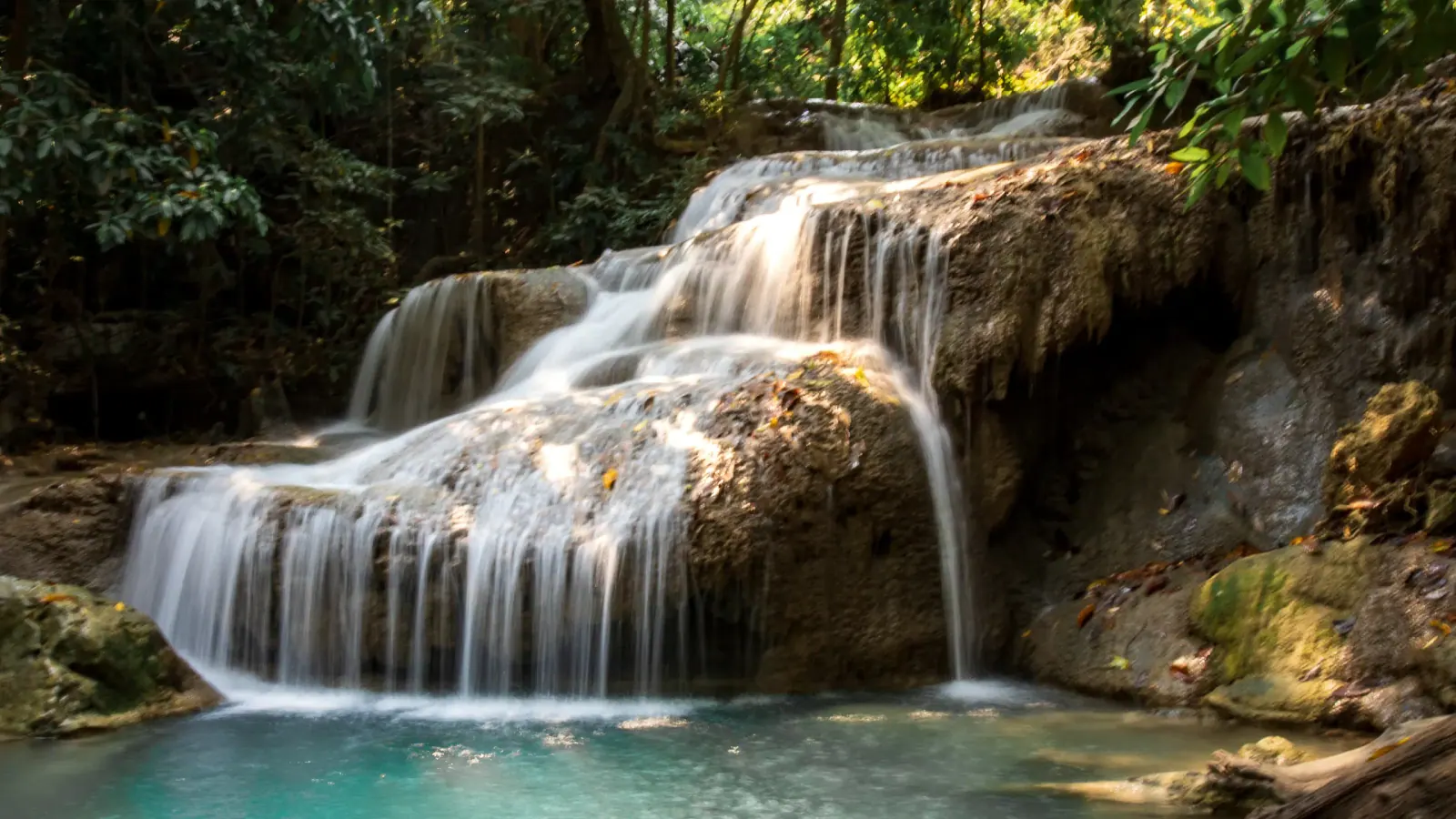
Thailand's highest peak at 2,565 metres. The park has twin pagodas, hill tribe villages, cloud forests and two spectacular waterfalls, Wachirathan and Sirithan. Temperatures drop to 5 °C at the summit in winter.
Join a group tour (800-1,200 THB) or rent a car with driver.
Mae Rim (30 minutes)
The valley just north of the city has zipline courses, botanical gardens and the famous Borsang umbrella village. Half-day hill tribe trek and zip-lining combos are an easy way to see it.
Pai (3 hours)
Further north, Pai is a bohemian mountain town with hot springs, canyons and a legendary walking street. Stay overnight rather than day-tripping - the winding road makes the return journey tiring.
Transport
How to Get Around Chiang Mai
Chiang Mai is far more relaxed than Bangkok - no metro, but a compact centre and cheap, friendly transport. The Old City is walkable; for further afield use songthaews, ride-hail or a rented scooter.
- Grab & BoltApp cars and bikes with set fares - the easiest way around for visitors. Car rides 50-120 THB ($1.45-3.45) across town - often cheaper than a negotiated songthaew; GrabBike from ~40 THB. Metered taxis exist but are less common than in Bangkok.
- Songthaew (red trucks)The shared red pick-up taxis that ply the city - flag one, tell the driver your destination and pay 20-30 THB ($0.60-0.85) a ride within the centre; agree the price before getting in. For longer trips such as Doi Suthep, negotiate a flat fare of 50-150 THB, or hire one for a half-day of temple runs outside the city for 200-400 THB.
- Scooter rentalPopular for Doi Suthep and the surrounding countryside - ~150-300 THB ($4.50-8.50)/day. Only if you're experienced; traffic is calmer than Bangkok but still busy. Always wear a helmet and carry your international driving permit.
- Walking & cyclingThe Old City is flat, moated and a pleasure to walk or pedal - bicycles rent for 50-100 THB/day. Many cafés and temples are minutes apart.
- Tuk-tukAvailable but pricier per kilometre than a Grab car - negotiate the fare first.
Chiang Mai Airport (CNX) is 15 minutes from the Old City. From Bangkok, the flight takes 1.5 hours (1,000-3,000 THB on AirAsia, Thai Smile or Bangkok Airways); the scenic overnight train takes 13-15 hours, with sleeper berths from 800 THB. From here, head into the northern hills to Pai and Chiang Rai, cross into Laos to Luang Prabang, or fly south to Bangkok and the islands.
Accommodation
Where to Stay in Chiang Mai
Chiang Mai has the best value accommodation in Thailand - boutique guesthouses, hostels and resort villas for a fraction of Bangkok or island prices. The Old City is the natural base; the riverside is the splurge. The Old City, Nimman and the riverside are all within 15 minutes of each other.
Old City - best for first-timers & culture
Inside the moat - walkable to the temples, Sunday market, cafés and cooking schools. Guesthouses, hostels and boutique hotels at every budget, from about $10-100/night. The default choice for a short stay.
Nimmanhaemin (Nimman) - best for cafés & nightlife
The trendy modern district west of the Old City - specialty coffee, design stores, rooftop bars and One Nimman mall. A favourite of digital nomads and younger travellers, with co-working spaces and some of the city's best restaurants. About $15-120/night.
Riverside - best for luxury & calm
The leafy Ping River banks host the city's five-star resorts and spa hotels - quiet, romantic and a short ride into the centre, with excellent dining along the water. About $20-200+/night; the splurge pick for a special trip.
Santitham - best for budget & local life
A local neighbourhood north of the Old City with cheap eats, hidden bars and authentic Chiang Mai life. About $8-30/night.
Hang Dong / Canal Road - best for resorts & nature
South-west towards Doi Suthep - resort villas, rice-field retreats and bigger properties. Quieter and further out, ideal if you want space and mountain air.
For budget stays, see our best hostels in Chiang Mai under $20 guide.
Food & drink
What & Where to Eat in Chiang Mai
Chiang Mai is the home of northern Lanna cuisine - richer, earthier and more herb-driven than central Thai food, with its own must-try dishes. And the markets and cafés are superb.
Khao soi - the signature northern curry noodle soup, a creamy coconut curry over soft noodles with a crunchy fried-noodle topping. Try it at Khao Soi Khun Yai or Khao Soi Mae Sai. Arrive at Khao Soi Khun Yai before noon - it sells out. Sai ua - the smoky northern Thai sausage, seasoned with lemongrass, galangal and chilli, grilled and served with nam prik noom (green chilli dip). Nam prik ong - a spicy tomato and minced pork dip served with fresh vegetables and crispy pork rinds.Nam ngiao - a spicy tomato-pork noodle soup from the Shan.
The khantoke feast is the traditional Lanna dinner - a spread of northern dishes served on a low pedestal tray (tok) with cultural dance and tea - touristy, but fun. Round it off with mango sticky rice and northern-style tea.
- Sunday Walking StreetThe Old City's weekly food-and-craft festival - the best street food in one walkable place.
- Warorot (Kad Luang) MarketThe bustling old covered market - local food, spices, sai ua sausage and northern snacks.
- Nimman cafésSpecialty coffee and brunch capital of Thailand - world-class roasters and design cafés.
Plan your trip
Practical Tips & Budget
Most Western passport holders get 30 days visa-free (the rule since 15 September 2026). Fill in the free Thailand Digital Arrival Card (TDAC) online before you arrive. The currency is the Thai baht (THB). English is widely spoken in the tourist areas. Bring a light jacket for cool-season evenings - it genuinely gets chilly. Ride-hail apps and songthaews make getting around simple.
How much does Chiang Mai cost?
- Budget$18-30/day - hostel dorm ($6-12), street food ($1.50-3 a dish, $4-8/day), songthaews ($2-5/day) and temple-hopping ($1-3/day).
- Mid-range$35-70/day - a boutique Old City hotel ($20-50/night), restaurant meals ($10-20/day), Grab and songthaews ($5-10/day), plus a cooking class and an elephant sanctuary day.
- Luxury$100+/day - a riverside resort or villa ($60-150+/night), fine dining ($25-50/day), private transport ($15-25/day), spa days and private guiding.
Good to know
- Elephant ethics: Avoid any camp that offers riding, painting or performances - choose observation-only sanctuaries.
- Burning season: Check air quality (AQI) in March-April - smoke can be heavy; pack an N95 mask or reschedule.
- Temple etiquette: Cover shoulders and knees, remove shoes to enter halls, and never point your feet at a Buddha image. Monks cannot touch women - if a monk is nearby on public transport, stand and offer your seat.
- Apps: Grab and Bolt for rides; Google Translate with Thai offline.
- Tipping: Not expected; rounding up appreciated.
- Money: ATMs charge 220 THB per withdrawal on foreign cards. Exchange cash at Super Rich or the night market. Many restaurants and shops take PromptPay QR payments, but tourists will mostly need cash.
- Working remotely: Free Wi-Fi is everywhere, many Nimman cafés are laptop-friendly, and co-working spaces such as Punspace and CAMP charge 50-200 THB/day.
- Visa extensions: The 30-day visa exemption can be extended once by 30 days at Chiang Mai Immigration for 1,900 THB.
- Safety: Violent crime against tourists is extremely rare; the main risks are scooter accidents and temple scams. Watch your belongings in crowded markets. Tourist police: 1155.
Planning the wider trip? Pair this with the Thailand budget travel guide.