
River cities, northern temples, and islands on two coasts
Thailand travel guide: routes, costs and when to go
Updated
Thailand at a glance
Thailand suits a first trip to Southeast Asia: Bangkok's temples and food, the hill country around Chiang Mai, then beaches on the Andaman coast or the Gulf islands. Allow 10-14 days. Budget travellers spend about US$25-40 a day, mid-range travellers US$55-80. November to February is the cool, dry season across most of the country.
| Best months | November-February; Andaman coast to April, Gulf islands January-September |
|---|---|
| Trip length | 10-14 days for a first trip; 3 weeks adds the far north or a second coast |
| Daily budget | US$25-40 backpacker, US$55-80 mid-range |
| Visa | 30 days visa-free for 60 countries including the US, UK, EU, Canada and Australia (since 15 September 2026); TDAC arrival card online before you fly |
| Currency | Thai baht (THB) |
| Main gateways | Bangkok Suvarnabhumi (BKK) and Don Mueang (DMK), Phuket (HKT), Chiang Mai (CNX) |
| Getting around | Domestic flights or overnight trains and buses between regions; BTS, MRT and Grab in Bangkok; ferries to the islands |
Where to stay
Find hotels in Thailand
Choose a destination to check live rates and availability for your dates.
How many days do you need in Thailand?
Ten to 14 days covers Bangkok, the north and one stretch of coast; with a single week, pick two of the three.
A two-week split: Bangkok for 3-4 days, Chiang Mai for 4 with a day out to Chiang Rai or Pai, then 5-6 days on the Andaman coast or the Gulf islands. Each move between regions is a 1.5-hour flight or a night on a train or bus. At our cost-guide rates, two weeks comes to about US$690 on a budget or US$1,110 mid-range, including roughly US$200 for flights.
Day-by-day plans: 3 days in Bangkok, 5 days in Chiang Mai, and the 2-week Southeast Asia itinerary, which starts in Thailand.
Where should you go in Thailand?
Start in Bangkok, go north to Chiang Mai, then finish on the coast that is in season: Phuket or Krabi from November to April, Koh Samui from January to September.
- Bangkok: the Grand Palace, Wat Pho and Wat Arun, the river and street food. Ayutthaya, the UNESCO-listed former capital, is about 90 minutes north by train; Kanchanaburi works as an overnight. Where to sleep: best Bangkok hotels under $100.
- Chiang Mai: Old City temples and lower prices than Bangkok, with Pai in the hills and Chiang Rai further north.
- Andaman coast: Phuket, with speedboats to Phi Phi in about 45 minutes, and the limestone bays around Krabi.
- Gulf coast: Koh Samui, plus Hua Hin and Pattaya, the mainland beach towns within road distance of Bangkok.
How much does Thailand cost per day?
Budget travellers spend about US$25-40 a day in Thailand and mid-range travellers US$55-80, before international flights.
The budget figure covers a dorm bed (US$6-14), street food and 7-Eleven meals (US$5-10) and local buses, songthaews or the BTS (US$2-5), with most temples and markets free or cheap. Mid-range buys a 3-star or boutique hotel (US$18-35), restaurant meals, Grab rides and paid day tours or cooking classes. Bangkok and the islands cost the most; Chiang Mai and the northeast are noticeably cheaper.
Full breakdown: Thailand travel costs guide, and how Thailand compares with the rest of Southeast Asia.
When is the best time to visit Thailand?
November to February suits most of Thailand: highs of 27-30°C, little rain and lower humidity, though it is also peak season for prices.
The two coasts run on different calendars. The Andaman side (Phuket, Krabi) is dry from November to April and wet from May to October, while the Gulf islands get their heaviest rain from October to December. March and April are hot, around 34°C. In Chiang Mai the burning season, February to April, brings poor air quality, so November to January is the better window for the north. From May to September rain tends to come as afternoon downpours and hotels cost 30-50% less.
Month-by-month weather: best time to visit Thailand.
Do you need a visa for Thailand?
Not for most visitors: US, UK, EU, Canadian and Australian passport holders get 30 days visa-free, cut from 60 days on 15 September 2026.
The exemption is for tourism only and can be extended once, by up to 30 days, at an immigration office for about 1,900 baht. Land-border entries on it are capped at two per calendar year, and you may be asked for an onward ticket and 10,000 baht in funds. Every visitor must complete the free Thailand Digital Arrival Card (TDAC) online, up to 3 days before arrival. China, South Korea and several other countries enter under separate bilateral agreements; for a longer first stay, apply for a 60-day tourist visa on the Thai e-Visa portal.
Rules for every passport: visa requirements for Thailand.
Is Thailand safe?
Yes for the usual tourist routes. The UK government advises against all but essential travel only to the far south (Pattani, Yala, Narathiwat and parts of Songkhla) and to within 20 km of the Cambodian border.
- Overcharging: tuk-tuks around Khao San Road and Patong often quote several times the fair fare. Agree the price before you get in, or book through Grab.
- Rental deposits: jet-ski and motorbike renters may keep a passport against claimed damage; never hand yours over as a guarantee.
- Drinks: spiked drinks and methanol in contaminated alcohol have killed visitors. Keep your drink with you.
- Card skimming: use ATMs inside banks and cover your PIN.
Tourist Police: 1155. Police 191, ambulance 1669.
SIM cards and eSIMs in Thailand
AIS, True and dtac all sell tourist SIMs at the main airports; AIS also sells most of its tourist plans as an eSIM you can install before you fly.
As of November 2026, AIS tourist plans run from 1 to 60 days, with unlimited data on everything from the 5-day plan up (the 15-day plan is 699 baht). Your passport is the identity document used to register the number. Under NBTC rules, a tourist SIM kept in use more than 60 days after activation needs an identity reconfirmation, which AIS handles by SMS or in its shops. Mobile data does real work here: Grab, maps and the TDAC confirmation all live on your phone.
Getting around Thailand
Fly or take an overnight train or bus between regions, use the BTS, MRT and Grab inside Bangkok, and ferries or speedboats to the islands.
- Suvarnabhumi (BKK): the Airport Rail Link runs from the basement to Phaya Thai for the BTS, stopping at Makkasan for the MRT. Public taxis leave from the level 1 stand and take 45-60 minutes or more, with expressway tolls on top. BMTA bus S1 runs to Sanam Luang for 60 baht (06.00-17.00).
- Don Mueang (DMK): a footbridge links the terminal to the SRT Red Line, which runs to Krung Thep Aphiwat Central Terminal for the MRT Blue Line.
- Bangkok to Chiang Mai: a 1.5-hour flight, or the overnight sleeper train from Krung Thep Aphiwat (900-1,400 baht in first or second class).
- Islands: Phuket airport (HKT) is 45-60 minutes from Patong; Koh Samui is reached by air, or by bus and ferry via Surat Thani.
Explore Thailand
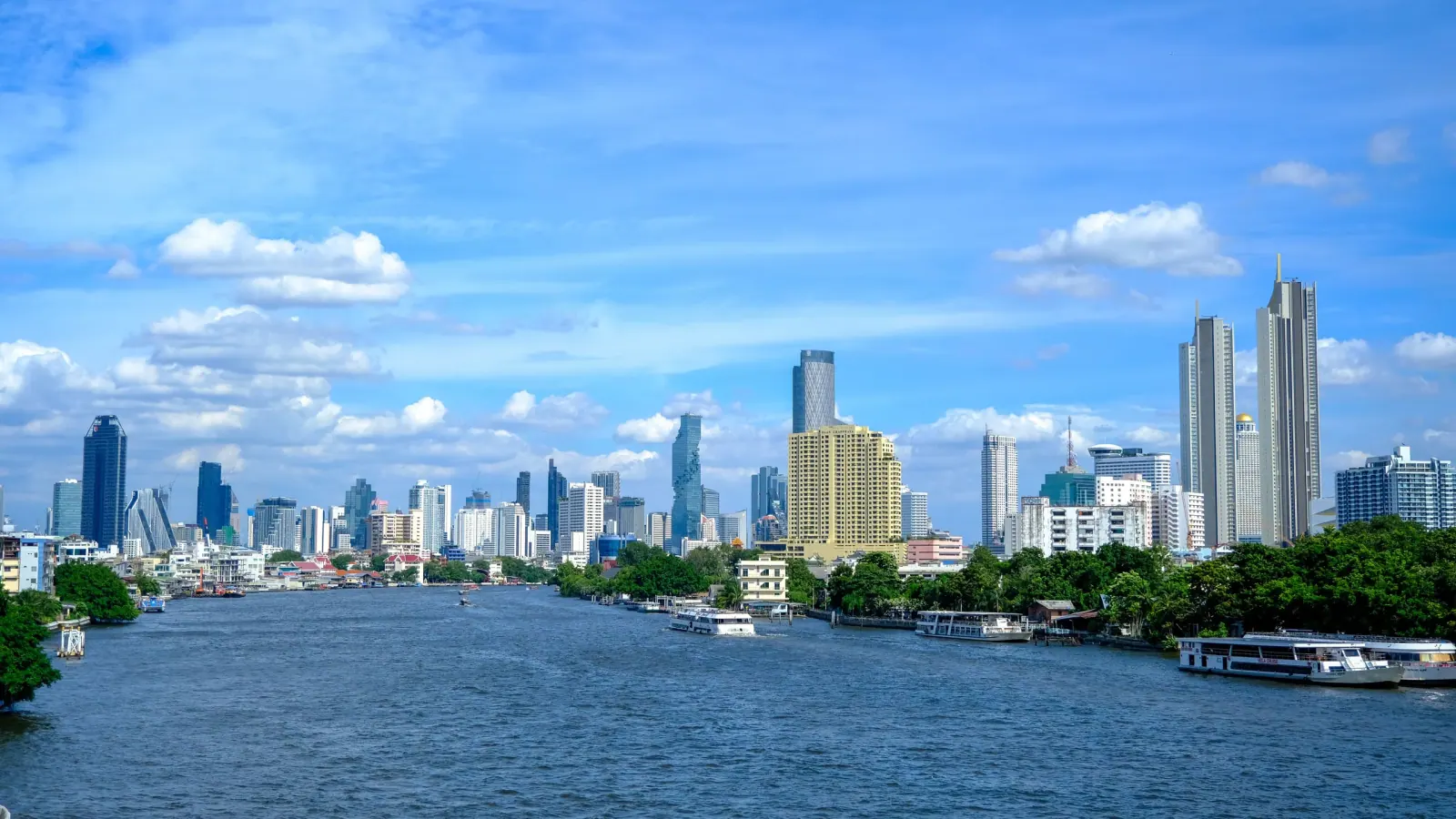
Bangkok
The city of angels - temples, street food, and vibrant nightlife.
Bangkok travel guide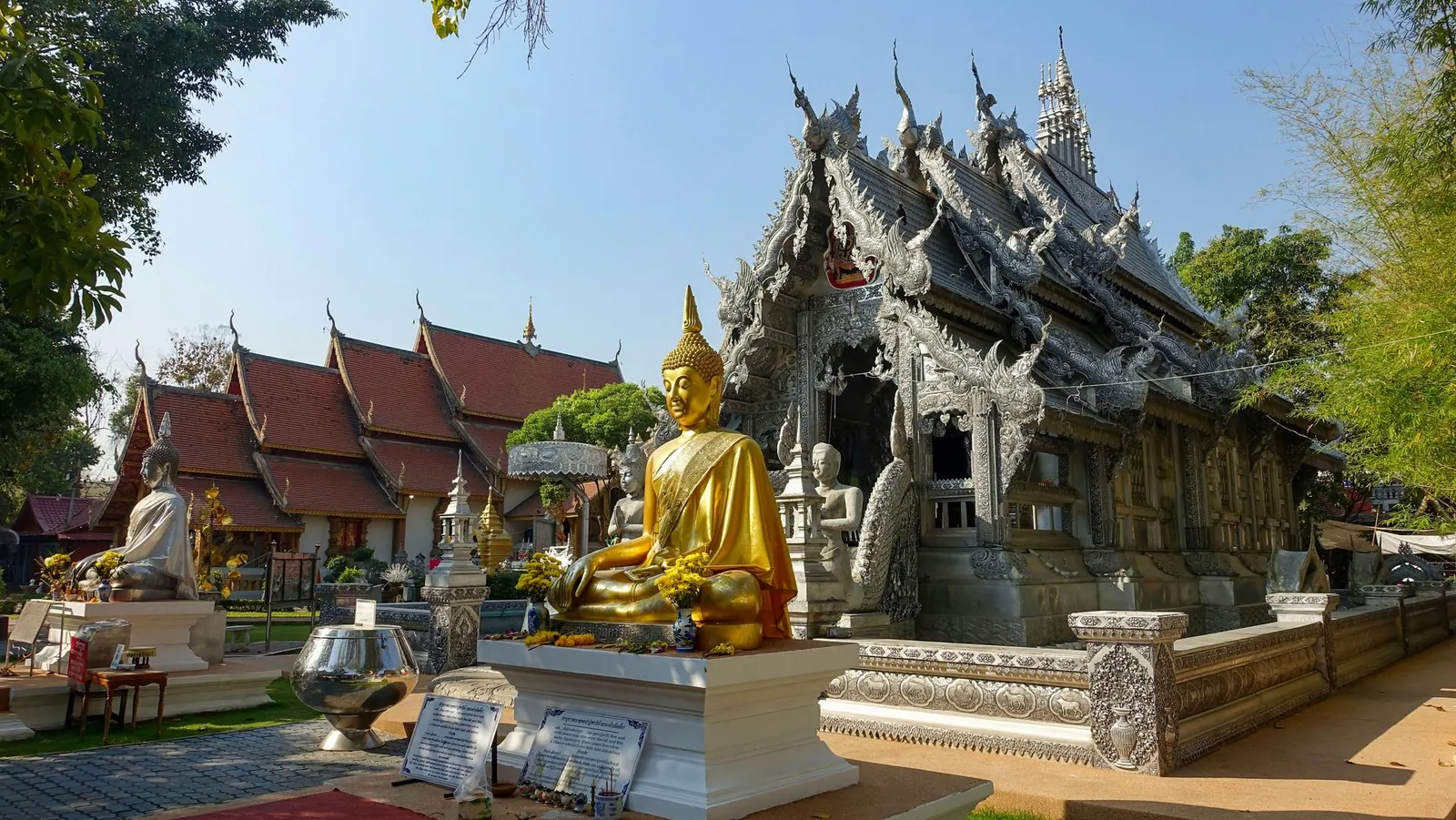
Chiang Mai
Mountain culture, ancient temples, and night bazaars.
Chiang Mai travel guide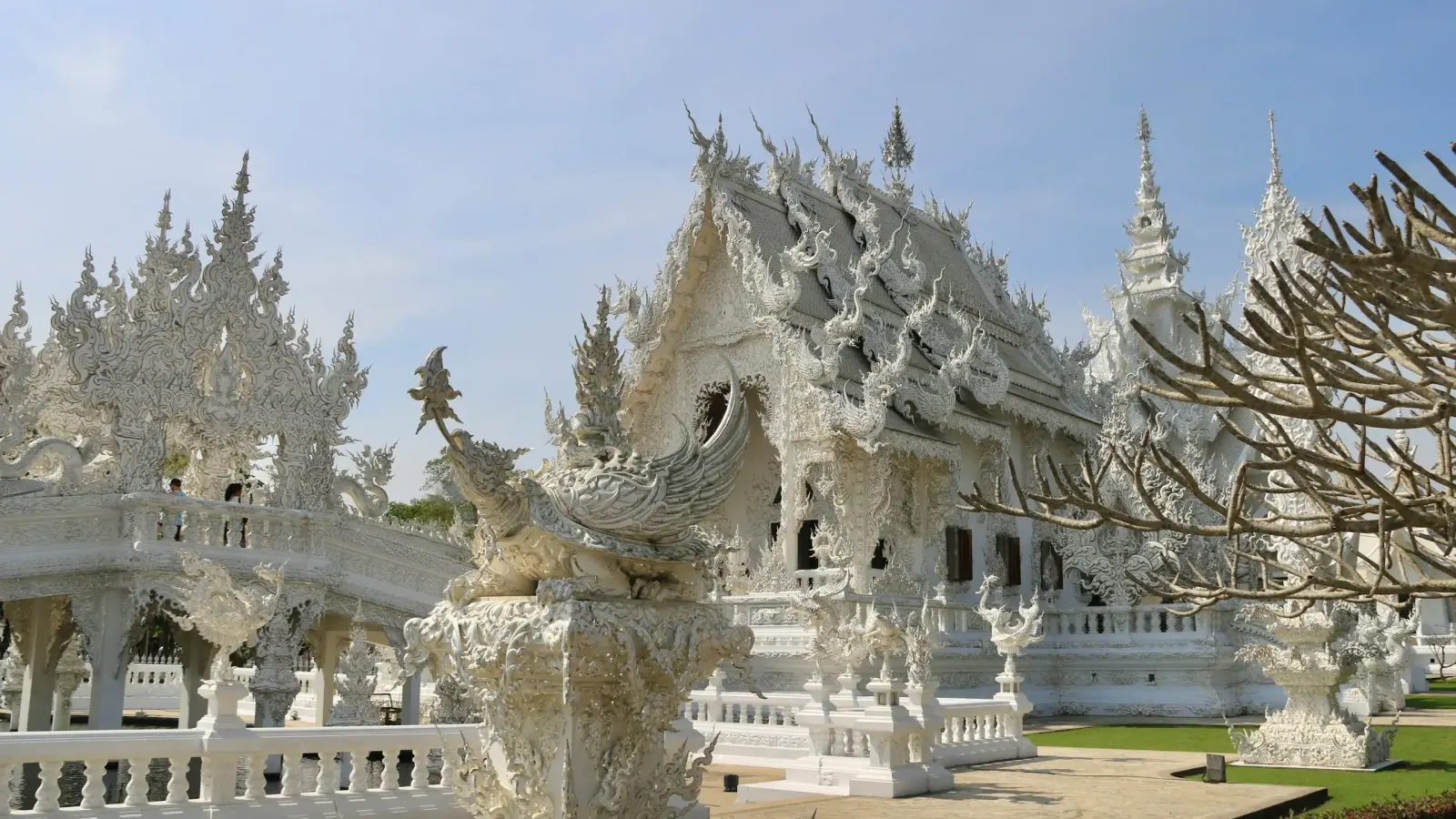
Chiang Rai
White Temple, Golden Triangle, and hill tribe culture.
Chiang Rai travel guide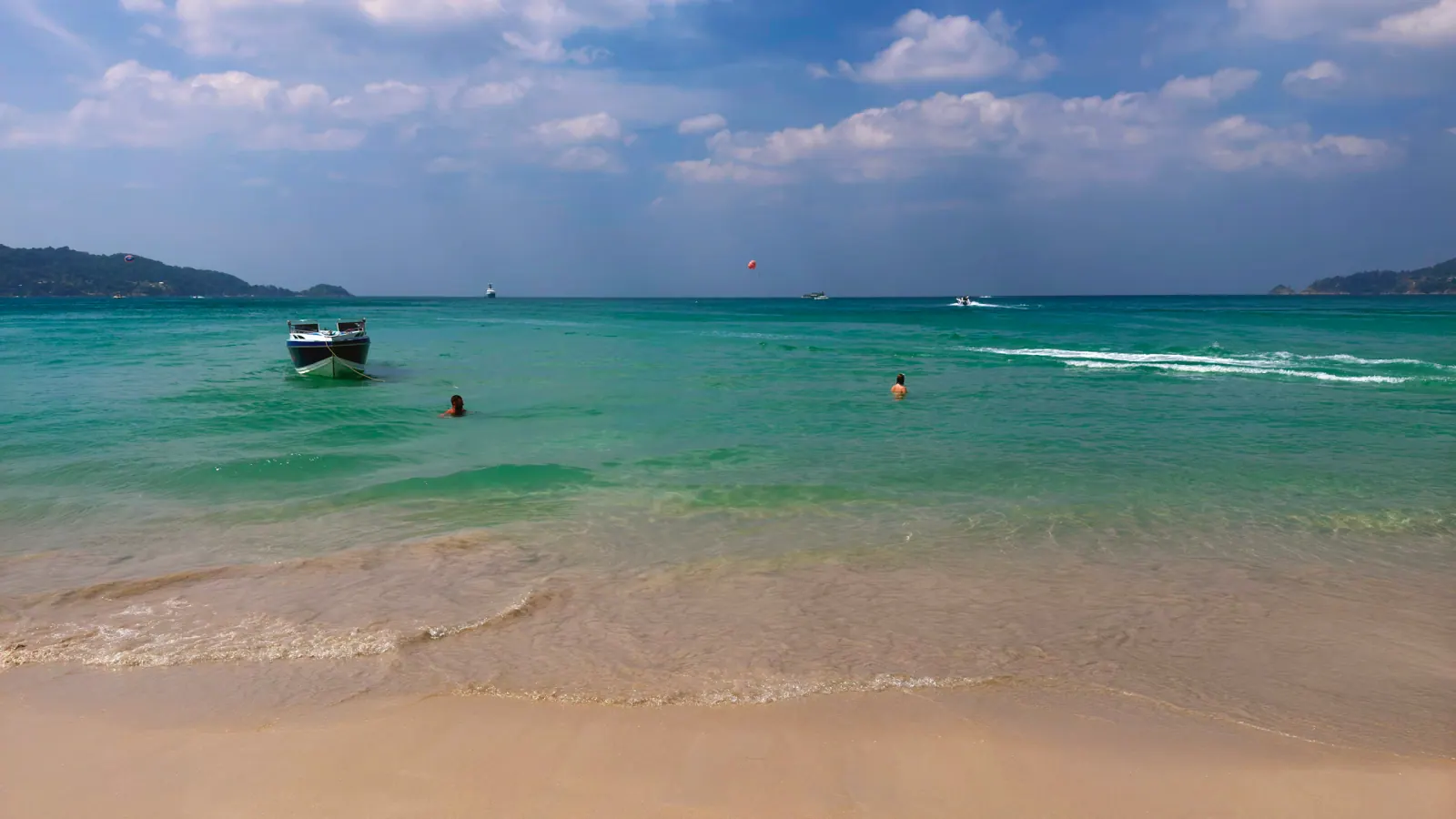
Phuket
Pristine beaches, luxury resorts, and island adventures.
Phuket travel guide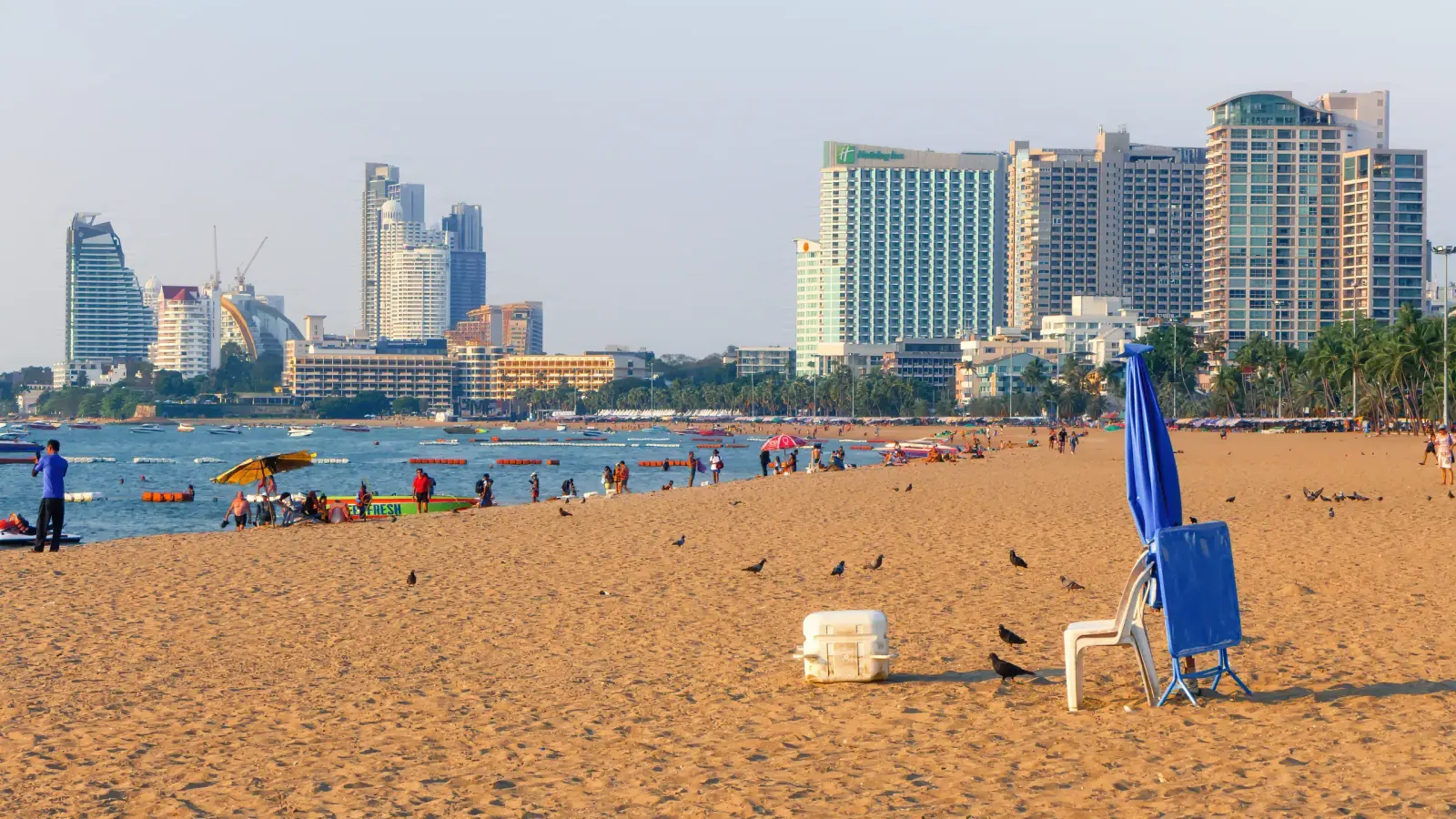
Pattaya
Coastal resort city with beaches and vibrant entertainment.
Pattaya travel guide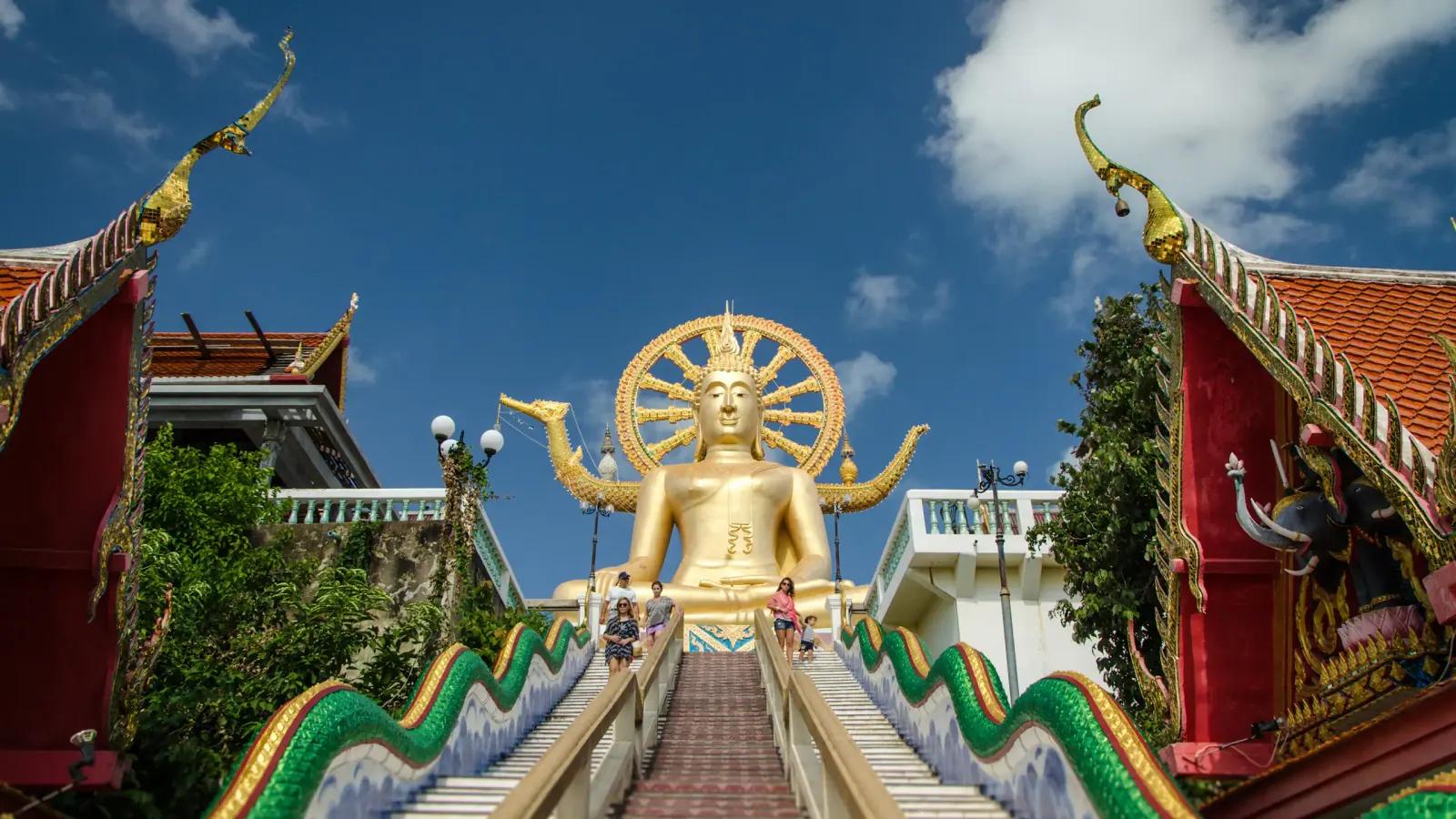
Koh Samui
Tropical island paradise with palm-fringed beaches and luxury spas.
Koh Samui travel guide- KrabiDramatic limestone cliffs, Railay Beach, and island hopping.Krabi travel guide
- Hua HinRoyal beach resort town with night markets and golf courses.Hua Hin travel guide
- AyutthayaUNESCO ruins of the ancient Siamese capital.Ayutthaya travel guide
- KanchanaburiBridge over the River Kwai, waterfalls, and jungle treks.Kanchanaburi travel guide
- PaiBohemian mountain town with hot springs and scenic views.Pai travel guide
Where to stay in Thailand
Visiting Thailand
What currency is used in Thailand?
What languages are spoken in Thailand?
What is the tipping culture in Thailand?
Plan your trip
Thailand travel guides
- Thailand Travel Costs 2026: How Much Per Day?Thailand from $20/day in 2026 - hostels $5, street food $2, ferries priced. Full budget, mid-range & luxury breakdown for Bangkok, Chiang Mai & islands.
- Ang Thong Marine Park Guide 2026: Tours & KayakingAng Thong Marine Park guide for 2026: tours from Koh Samui and Koh Phangan, kayaking through limestone caves, snorkeling spots, prices and when to go.
- 3 Days in Bangkok: First-Timer Itinerary (2026)Planning your first trip to Bangkok? This 3-day Bangkok itinerary covers temples, street food, rooftop bars & more - with daily budgets & transport tips.
- 5 Days in Chiang Mai - The Perfect Itinerary (2026)5 days in Chiang Mai itinerary for 2026: Old City temples, Doi Suthep, ethical elephants, a Thai cooking class, a Chiang Rai day trip and a full budget.
- 10 Best Bangkok Hotels Under $100 (2026 Picks)Bangkok's best hotels under $100/night - riverside, Sukhumvit & Old City. Hand-picked & reviewed with approximate 2026 rates. Book your perfect stay.
- Best Hotels in Phuket 2026: Top Picks by AreaBest hotels in Phuket for 2026 by area and budget, from Patong stays to luxury resorts, with a comparison table and a guide to Patong, Kata and Old Town.
Sources
Official pages used to check the visa, transport and safety facts on this page. Rules change, so confirm with them before you travel.
- Thai Immigration Bureau - Royal Thai Police
- Thai e-Visa - Ministry of Foreign Affairs of Thailand
- New 30-day and 15-day visa exemption rules from 15 September - Tourism Authority of Thailand
- Thailand Digital Arrival Card (TDAC) - Thai Immigration Bureau
- Thailand travel advice: warnings - UK Foreign, Commonwealth & Development Office
- Thailand travel advice: safety and security - UK Foreign, Commonwealth & Development Office
- Thailand travel advice: getting help - UK Foreign, Commonwealth & Development Office
- Sim for Tourist - AIS
- Suvarnabhumi Airport - Airports of Thailand
- Don Mueang International Airport - Airports of Thailand
- SRT Red Line - SRT Electrified Train
- Phuket International Airport - Airports of Thailand
Explore Southeast Asia
More destinations
10 destinations
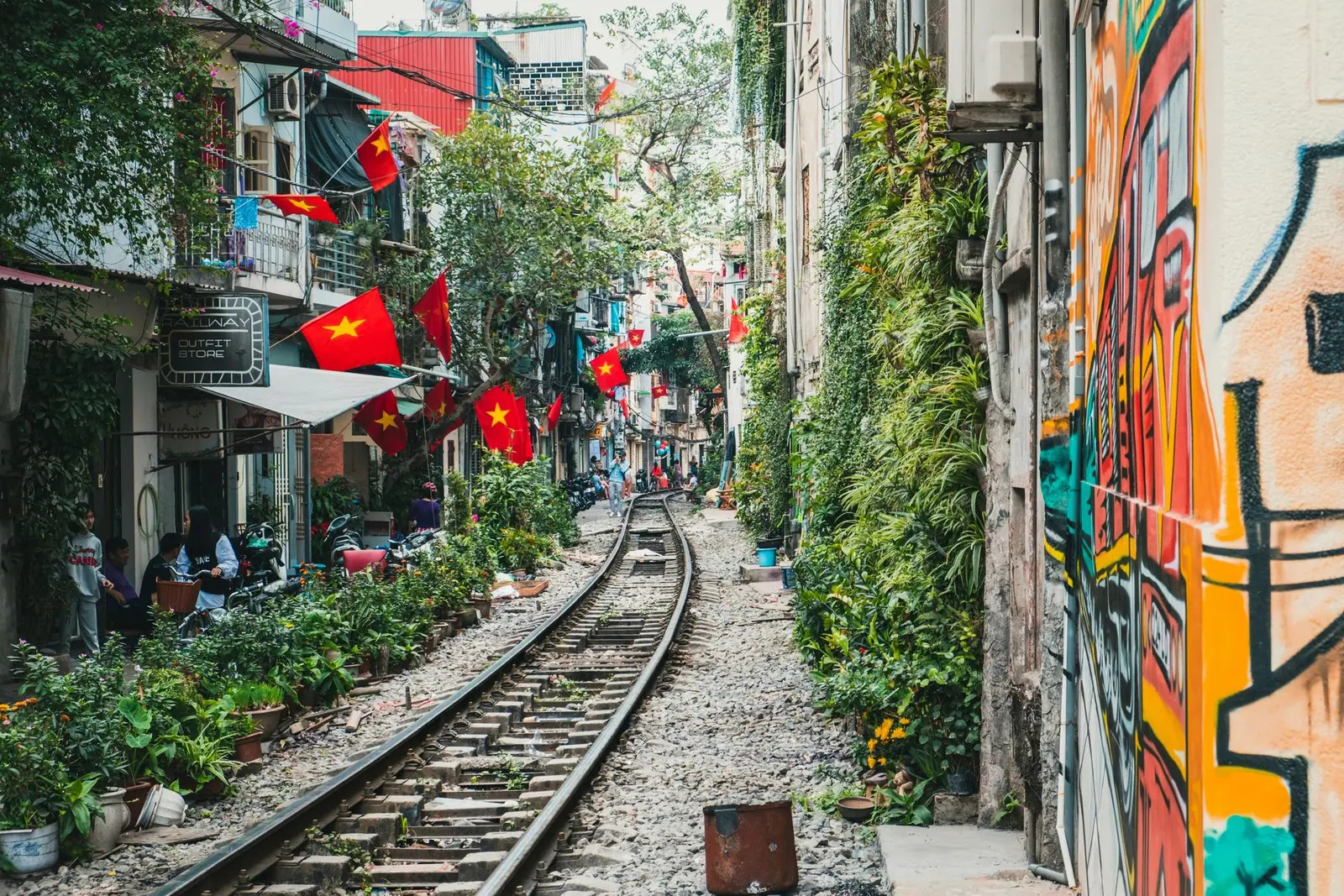
Vietnam
Old quarters, coastal towns, and mountain landscapes
9 destinations
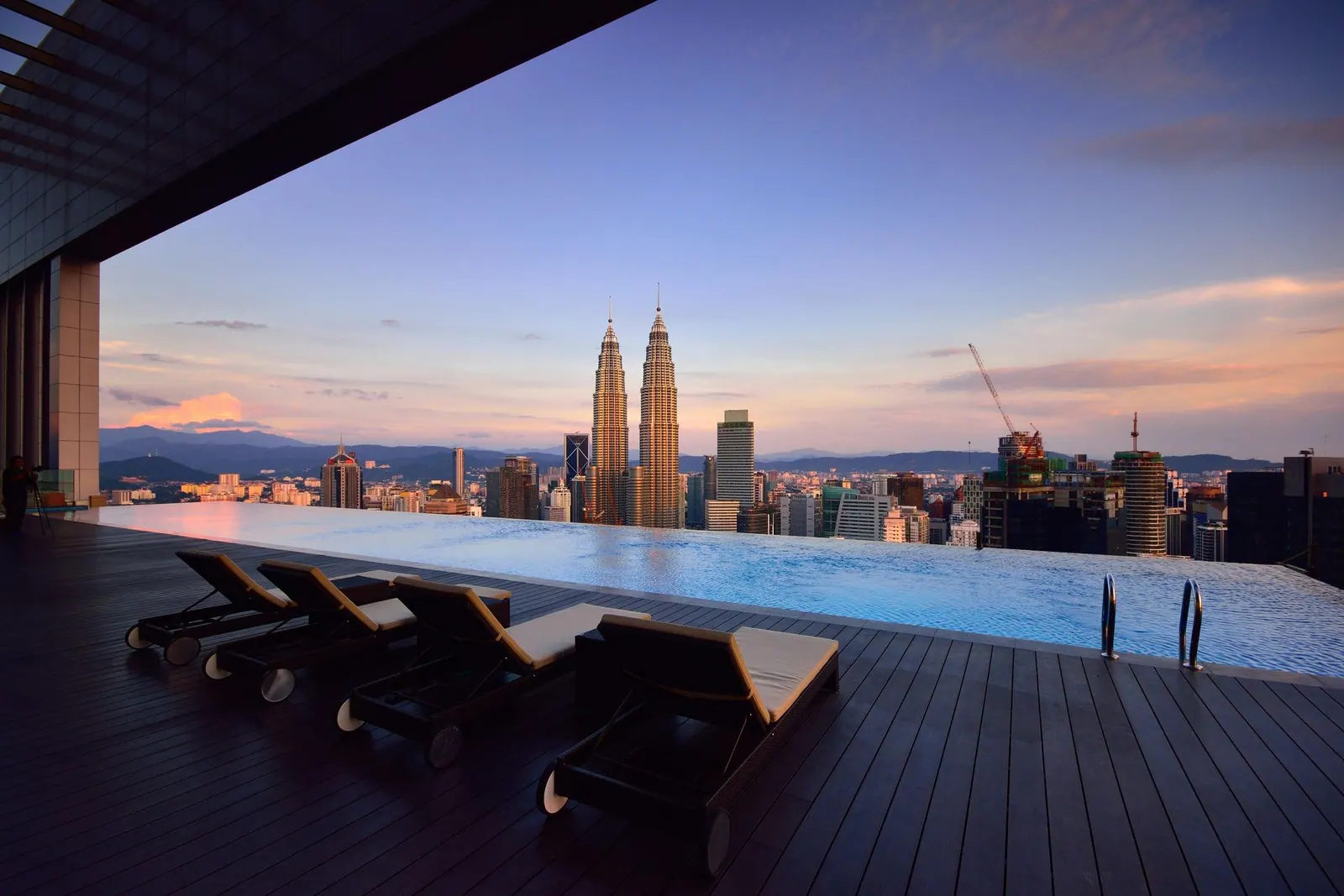
Malaysia
Food-led city breaks, rainforest, and island stays
12 destinations
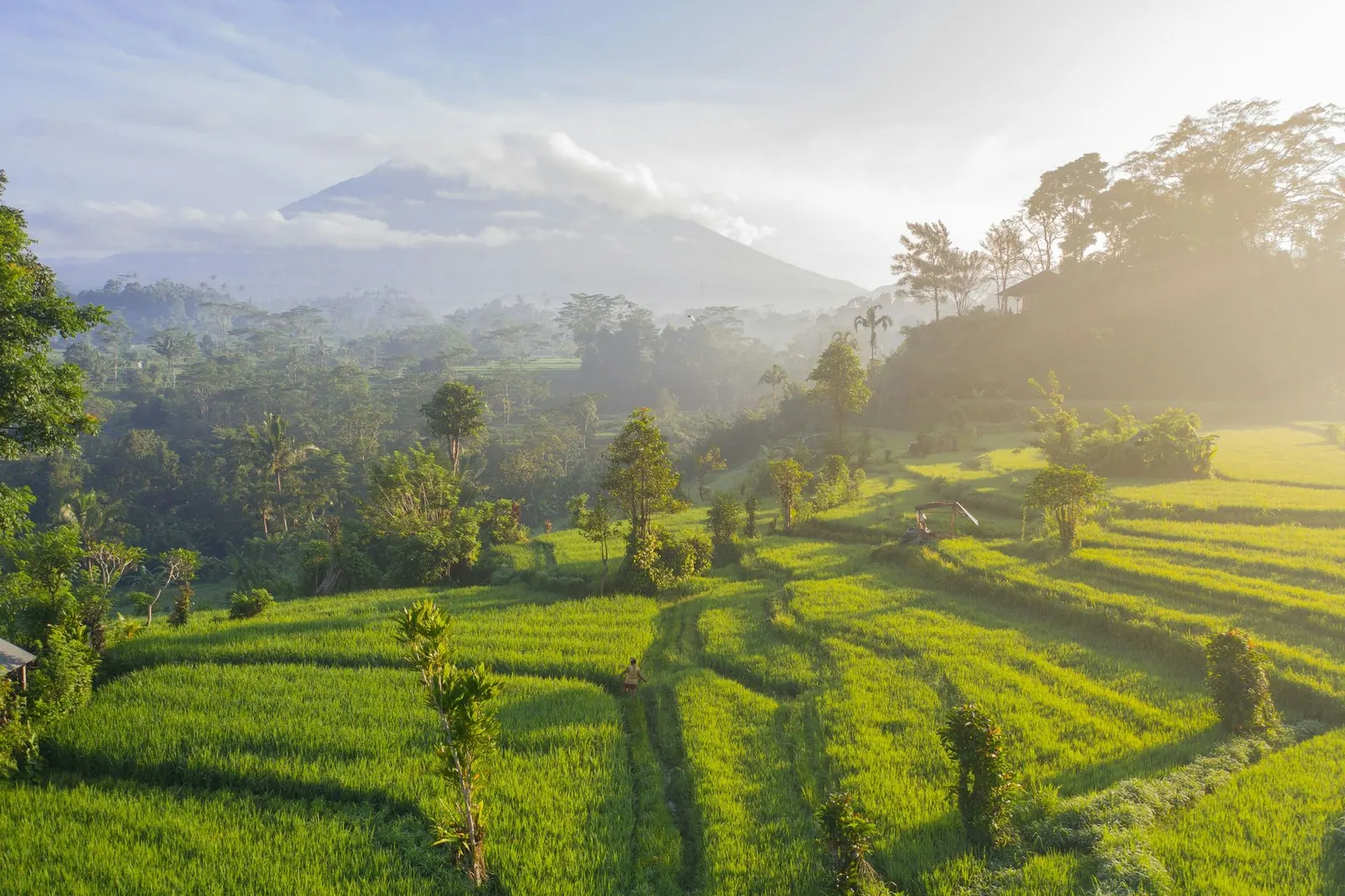
Indonesia
Volcanic landscapes, temple towns, and surf coasts
5 destinations
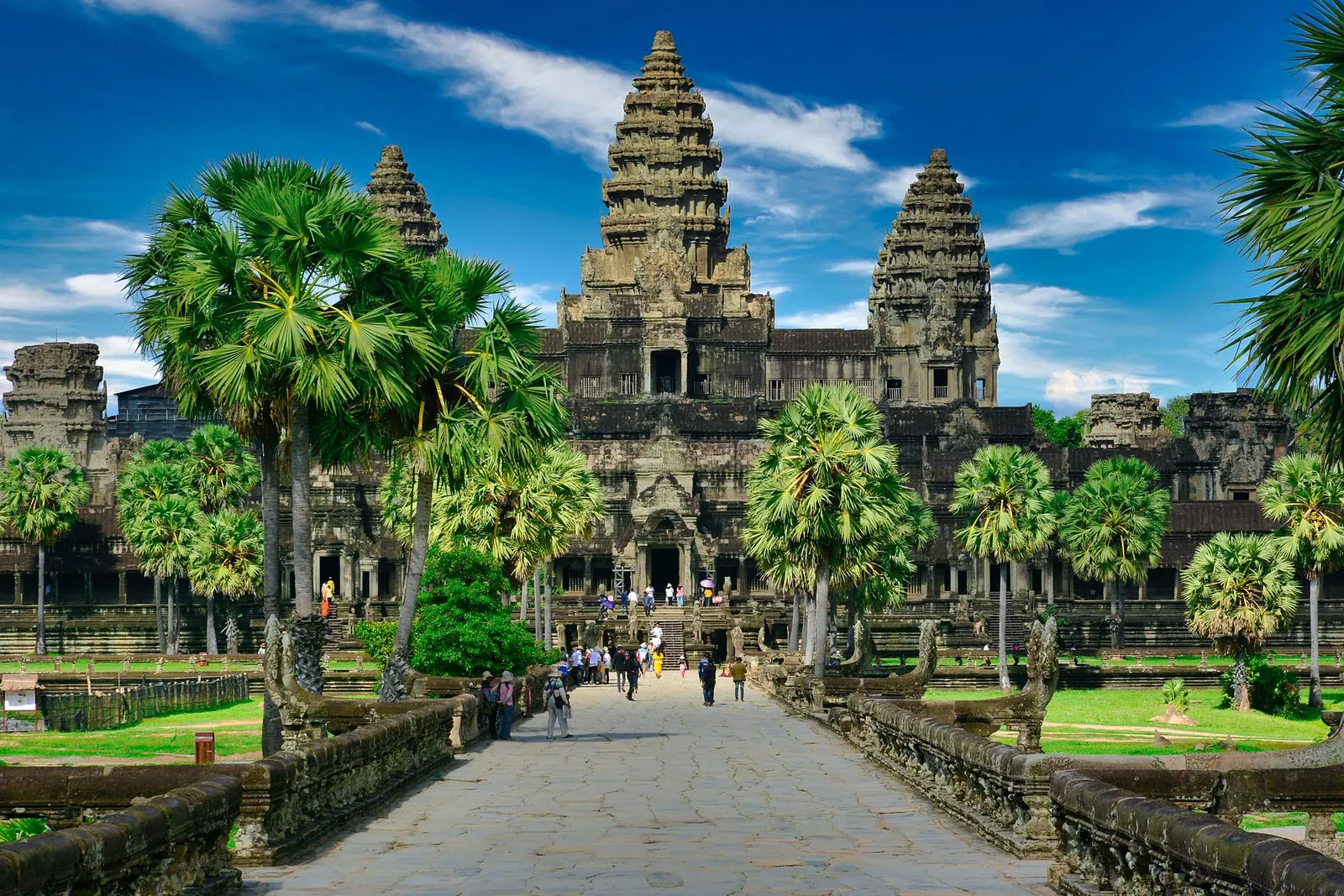
Cambodia
Angkor temples, riverside towns, and the southern coast
10 destinations
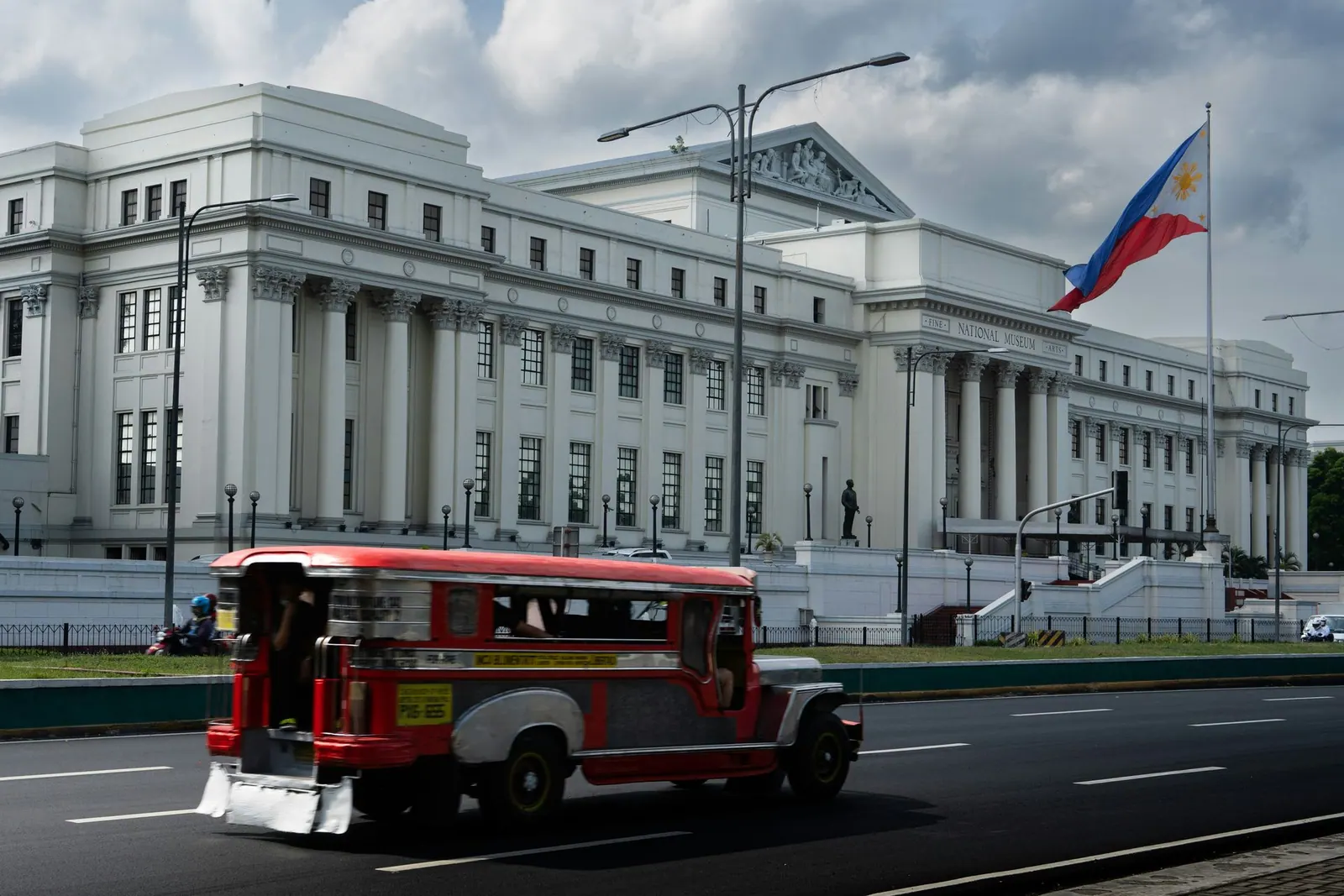
Philippines
Island hopping, reef diving, and mountain towns
4 destinations
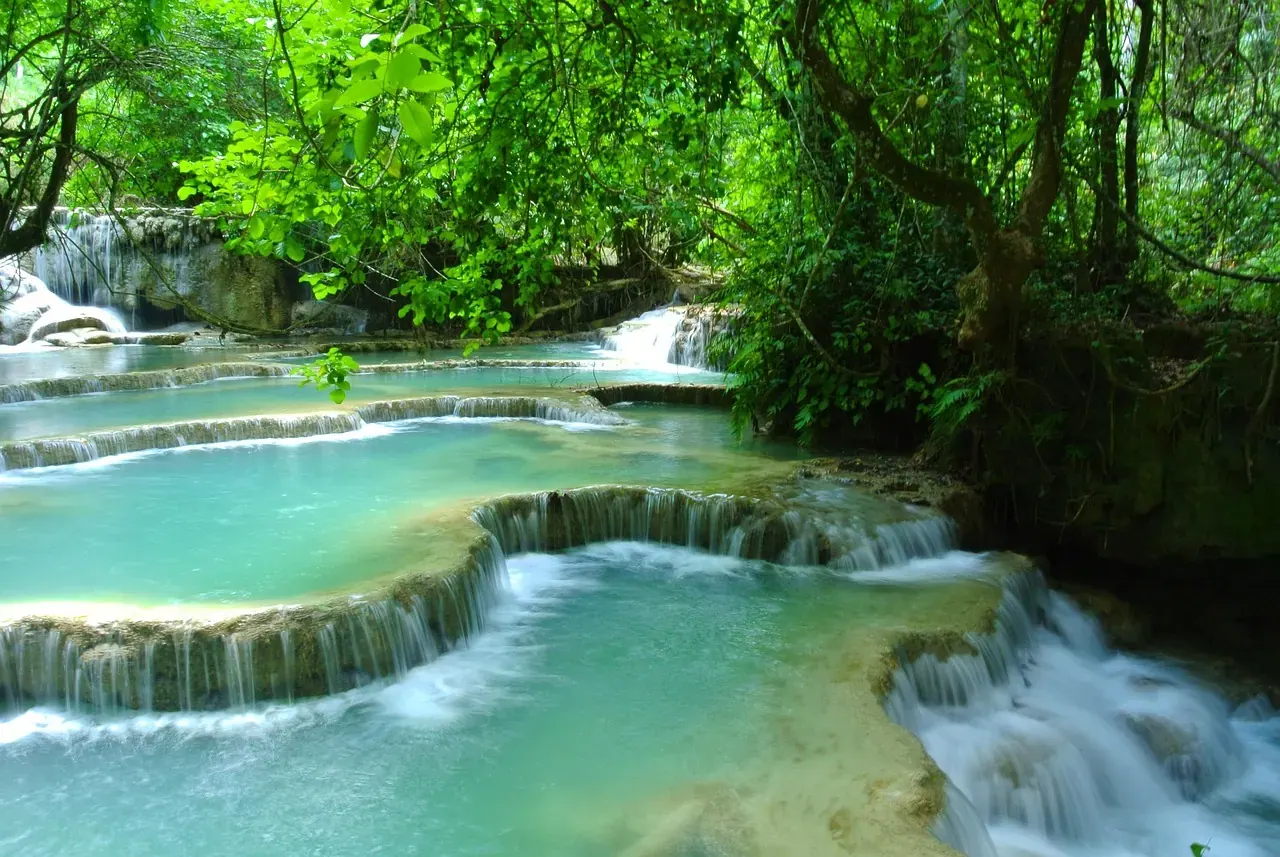
Laos
Mekong towns, limestone mountains, and temple walks
1 destination
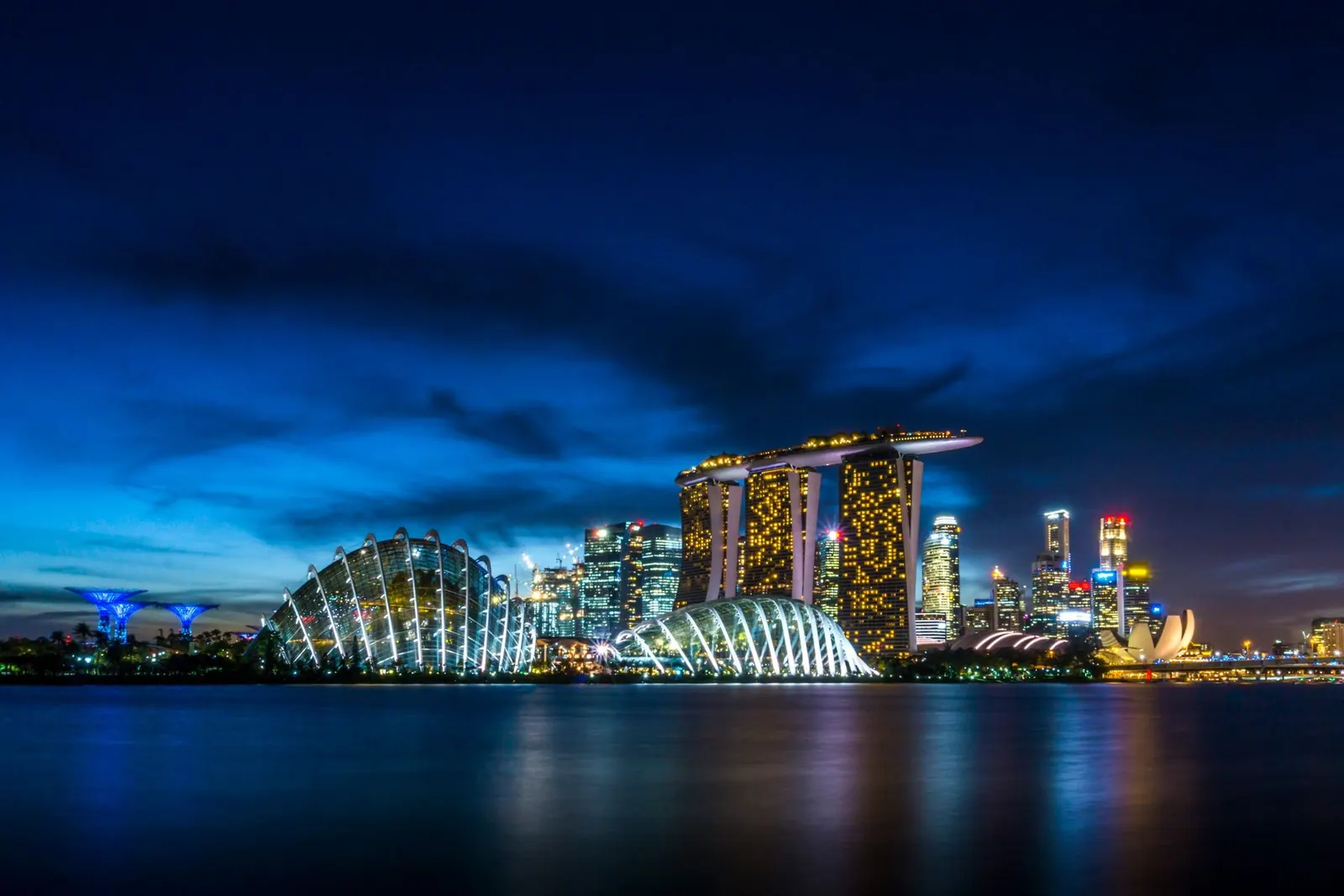
Singapore
Hawker food, neighbourhood walks, and waterfront gardens
1 destination
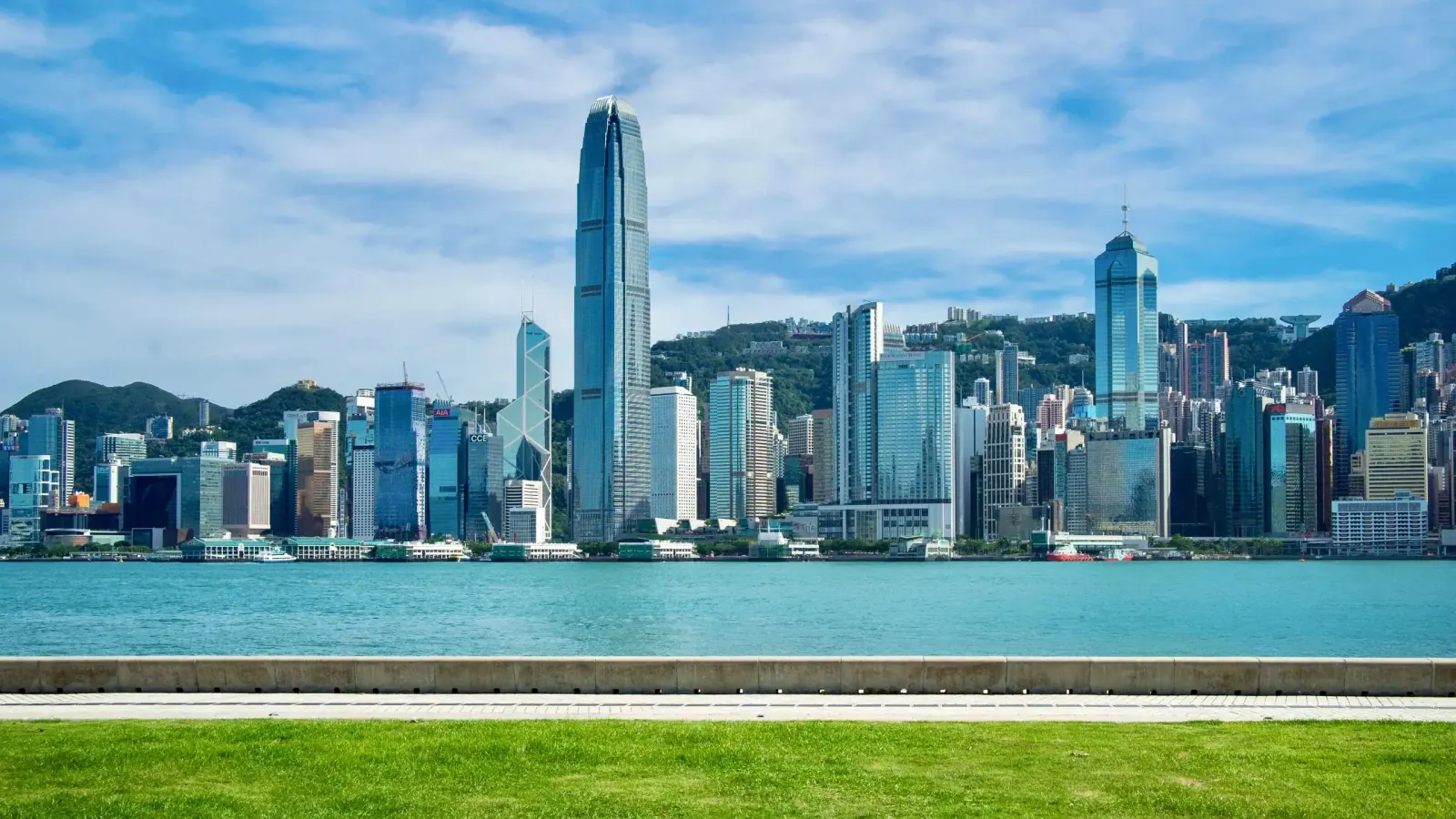
Hong Kong
Harbour walks, hillside trails, and neighbourhood dining