When to go
When is the best time to visit Kuala Lumpur?
Kuala Lumpur is warm and humid year-round (27-33 °C, with sudden tropical downpours), so there's no truly cold or dry-dry season. The most comfortable windows are May to July and December to February, when rainfall is lowest. Avoid the haze months (August-October) if air quality matters to you.
- May-JulThe driest stretch - warm, bright and the best all-round time to explore the city on foot.
- Dec-FebAnother drier window and the peak domestic travel season - lively but busier, book ahead for Chinese New Year.
- Mar-Apr & Oct-NovThe two monsoon shoulders bring heavier, mostly afternoon, rain. Cheaper hotels and lush greenery make up for it.
Attractions
Things to Do in Kuala Lumpur
Kuala Lumpur, the capital of Malaysia, is where skyscrapers meet rainforest - a compact city of glittering towers, multicultural neighbourhoods, street markets and some of the best food in Asia. Two to three days covers the highlights.
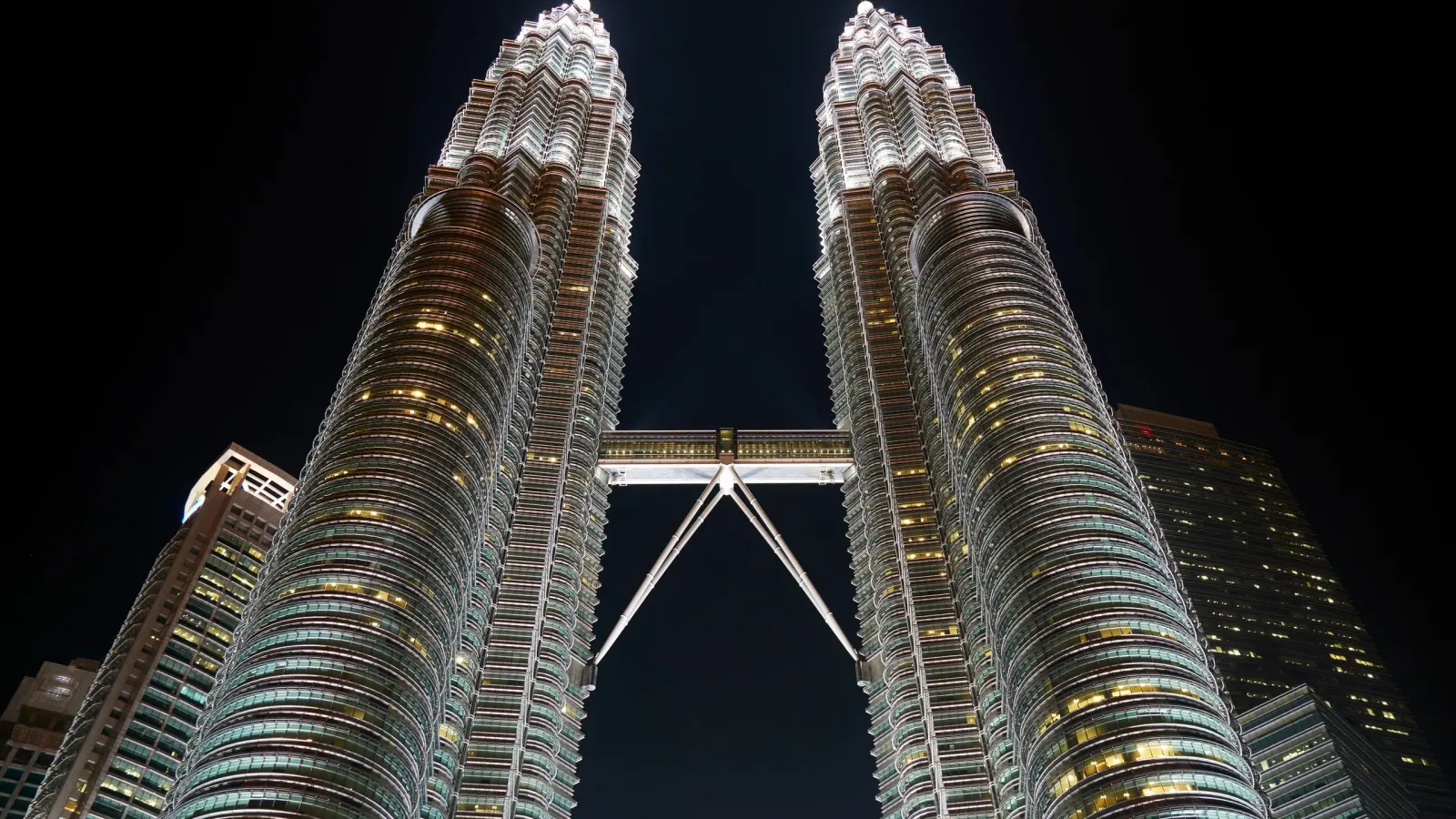
Petronas Twin Towers
The defining landmark - until 2004 the tallest buildings in the world, and still the tallest twin towers. The 41st-floor Skybridge and 86th-floor observation deck give staggering views over the city. Book timed tickets in advance, especially for sunset slots, and arrive early.
Observation deck from RM 80 (~$18); 9 AM-9 PM, closed Mondays.
KL Tower (Menara KL)
A 421-metre communications tower perched on a hilltop rainforest reserve, with an open-air observation deck higher than the Petronas bridge. The surrounding Bukit Nanas forest canopy walk is a surprising pocket of jungle in the city centre.
Observation deck from RM 52 (~$12); Bukit Nanas canopy walk free.
Batu Caves
A towering golden statue of Lord Murugan guards the foot of 272 rainbow-painted steps leading up to a Hindu cave temple, 13 km north of the city. The massive cathedral cave and the mischievous macaques make it KL's most photographed day trip. Go early morning to beat the heat and the crowds.
Free entry (cave temples); RM 10-15 for Dark Cave guided tours. KTM Komuter train to Batu Caves station.
Merdeka Square & the Colonial Core
The historic heart of KL, where independence was declared. The Sultan Abdul Samad building, the Royal Selangor Club and the mock-Tudor field make for a striking colonial contrast to the towers. A free walking tour kicks off from here most mornings.
Chinatown, Little India & Central Market
Petaling Street in Chinatown is the place for street food and knock-off bargains; Little India (Brickfields) overflows with sari shops and banana-leaf curry; the art-deco Central Market sells handicrafts and batik. All walkable, all free to browse, all delicious.
KL Bird Park & the Lake Gardens
The world's largest free-flight walk-in aviary sits inside the sprawling Perdana Botanical Gardens, alongside the Orchid Garden, the Islamic Arts Museum and the National Mosque. A leafy, family-friendly half-day away from the traffic.
Bird Park RM 63 (~$14); gardens free.
Transport
How to Get Around Kuala Lumpur
KL's public transit has improved enormously - a network of LRT, MRT, monorail and commuter trains now connects most of the city, air-conditioned and affordable. Walking is tough between districts (hills, highways, heat), so plan around the trains.
- LRT & MRTThe backbone - fast, clean trains reaching the towers, Bukit Bintang, Chinatown and beyond. Fares RM 1-6 ($0.25-1.40); buy a Touch 'n Go card or use contactless cards.
- MonorailLoops through the hotel and shopping district - handy for Bukit Bintang and KL Sentral, though slower than the MRT.
- KLIA EkspresThe 28-minute airport express train from KLIA/KLIA2 to KL Sentral is the fastest, most reliable airport transfer in the region (~RM 55/$12).
- GrabCheap, honest app rides - from RM 5 ($1.15) for short hops. Far better than flagging a taxi.
- Go KL City BusFree hop-on shuttle covering the main tourist circuits - useful and air-conditioned.
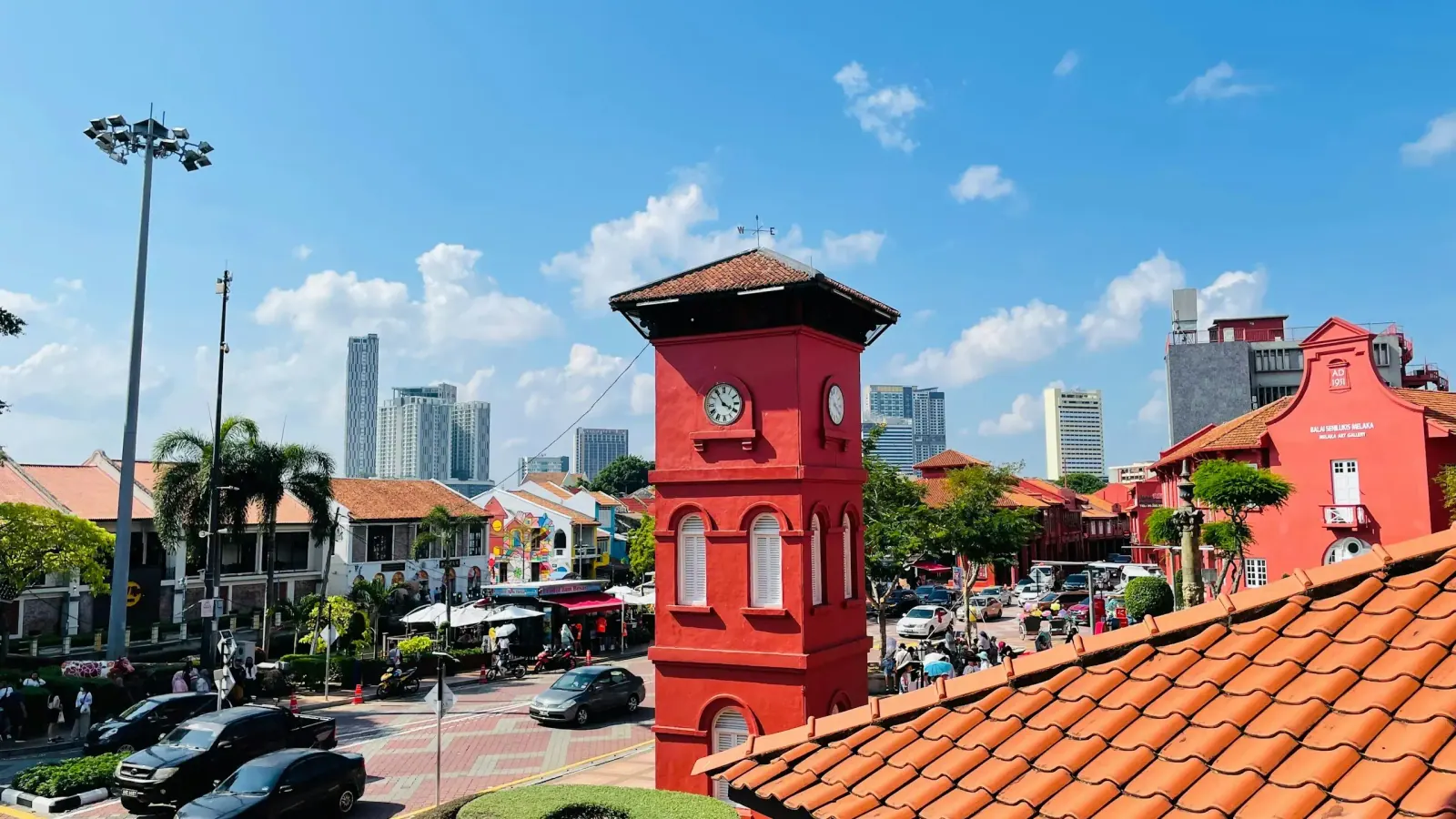
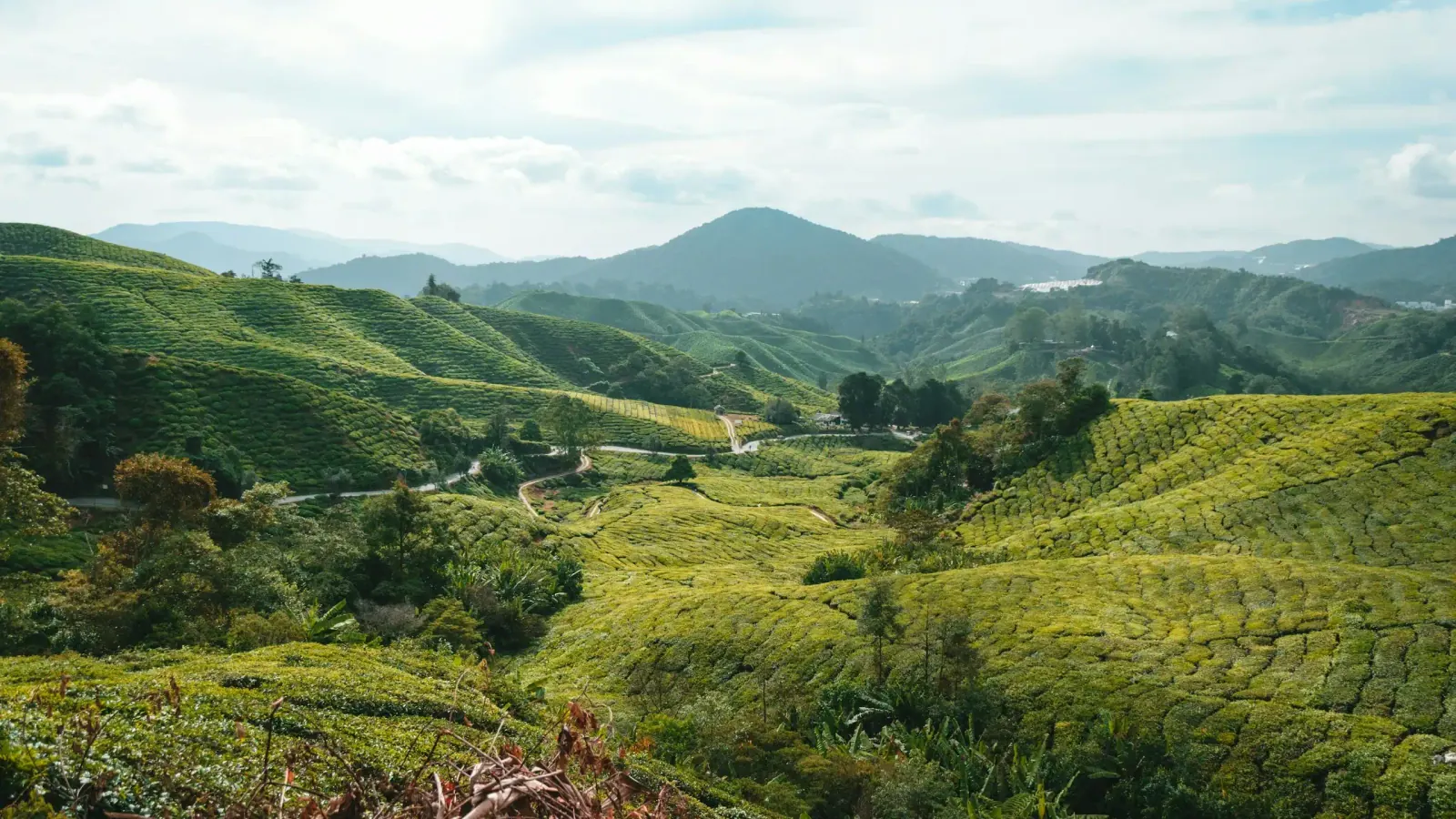
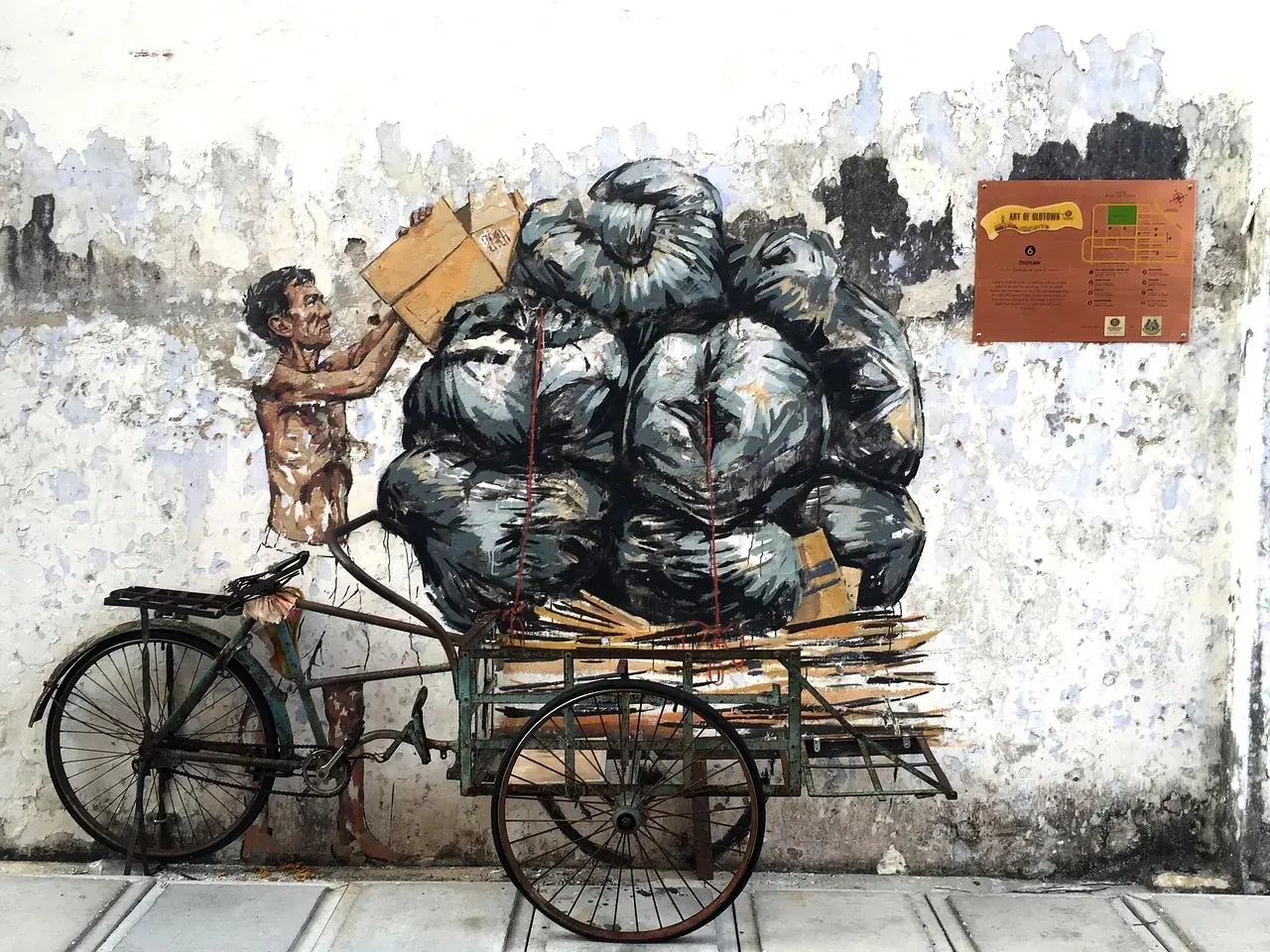
KL is a natural travel hub - ride the train up to the food capital Penang, ferry to Langkawi, day-trip to historic Malacca, or cross south to Singapore.
Accommodation
Where to Stay in Kuala Lumpur
KL has outstanding value hotels - five-star towers for half the price of Singapore or Bangkok. Stay near the Golden Triangle or KL Sentral for the best access.
Bukit Bintang - best for first-timers & shopping
The Golden Triangle's beating heart - malls, street food (Jalan Alor), rooftop bars and the Pavilion shopping centre, all on the monorail line. The most convenient base for a short stay.
KLCC - best for views & luxury
Around the Petronas Towers and KLCC Park - where the high-rise five-star hotels cluster, many with tower-view rooms. Steps from Suria KLCC mall and the park fountain show.
Chinatown / Pudu - best for budget
The budget and backpacker hub, around Petaling Street. Hostels, cheap guesthouses and the best street food, with direct LRT access to the rest of the city.
KL Sentral - best for transit & business
The transport hub with the airport express - smart business hotels and a great base if you're coming in and out by train or plane.
Food & drink
What & Where to Eat in Kuala Lumpur
KL is a food capital where Malay, Chinese and Indian cooking fuse into something extraordinary - and the best meals are had at mamak stalls and hawker centres for a few ringgit.
Nasi lemak - the national dish, coconut rice with sambal, fried chicken, peanuts and egg. Roti canai - flaky flatbread with dhal or curry, a 24-hour mamak-stall staple. Char kway teow and beef rendang round out the must-try list.
For dessert, hunt down cendol (shaved ice with coconut and palm sugar) and finish the night with teh tarik - “pulled” milky tea - at a streetside mamak.
- Jalan AlorThe famous central street-food street - touristy but lively, open until the early hours in Bukit Bintang.
- Lot 10 HutongA food court of heritage hawker stalls curated under one roof - clean, air-conditioned and reliable.
- Brickfields (Little India)The place for banana-leaf curry, roti and authentic South Indian sweets.
Plan your trip
Practical Tips & Budget
Most passport holders get 30-90 days visa-free. The currency is the Malaysian ringgit (MYR). Tipping is not expected. English is widely spoken and most signage is bilingual - KL is one of the easiest SE Asian cities to navigate. Cover shoulders and knees when visiting mosques.
How much does Kuala Lumpur cost?
- Budget$25-45/day - hostel dorm ($8-15), hawker meals ($2-4), trains and a Batu Caves trip.
- Mid-range$55-100/day - a 3-4 star tower hotel, sit-down dining and paid tower views.
- Luxury$150+/day - a five-star tower-view suite, fine dining and rooftop bars.
Good to know
- Touch 'n Go card: One card taps on all trains, buses and even some shops.
- Apps: Grab for rides, Google Maps for transit - both work flawlessly.
- Weather: Carry an umbrella year-round; afternoon storms are normal.
- Alcohol: It's a Muslim-majority country - alcohol is available in licensed venues but taxed and pricey.
Ready to explore further? Pair Kuala Lumpur with Malacca or Penang.