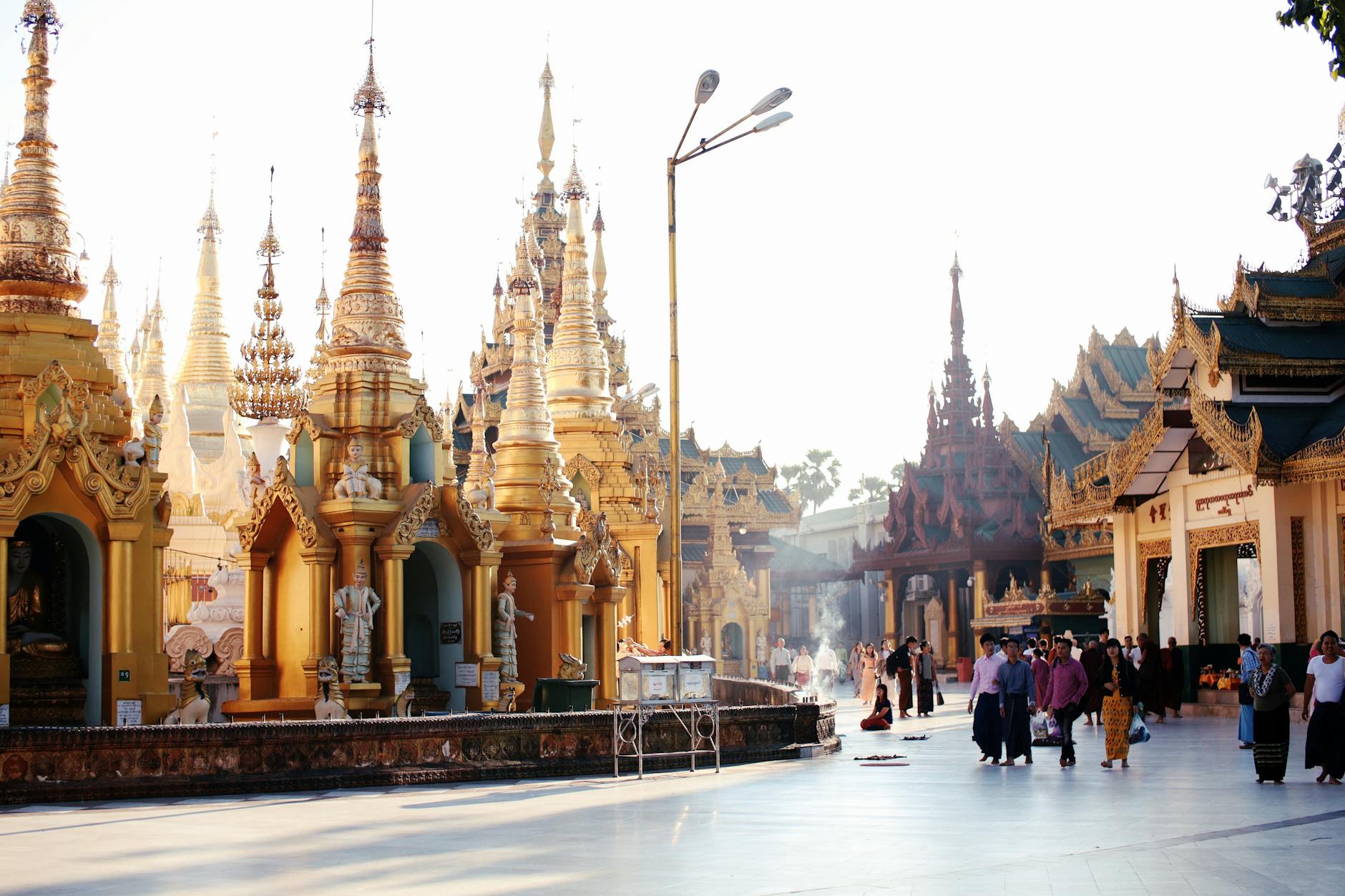
Bagan is one of the world's most extraordinary archaeological sites, a vast plain in central Myanmar scattered with over 2,200 surviving Buddhist temples, pagodas, and monasteries dating from the 11th to 13th centuries. At its zenith, the Pagan Kingdom constructed more than 10,000 religious structures across this 26-square-mile landscape on the eastern bank of the Irrawaddy River, making it the political, economic, and cultural capital of the first Burmese empire.
Granted UNESCO World Heritage status in 2019 after decades of rejection due to controversial restoration methods, Bagan's temple-studded horizon remains one of Southeast Asia's most iconic vistas. The archaeological zone is divided into three main areas: Old Bagan, the walled ancient city containing the most significant temples; New Bagan, a planned town with most tourist facilities; and Nyaung-U, the nearest commercial hub with the airport, markets, and the revered Shwezigon Pagoda.
The temples of Bagan represent a remarkable variety of architectural styles spanning over two centuries of construction. Ananda Temple, completed in 1105, is considered the masterpiece of Mon-influenced architecture, housing four standing Buddha images with an optical illusion that makes them appear to smile differently depending on viewing distance. The massive Dhammayangyi Temple, the largest in Bagan, conceals bricked-up inner corridors and a rumored secret tunnel system, left unfinished after King Narathu's assassination in 1170. Htilominlo Temple preserves rare horoscope murals that were used in the selection of the king.
The 2016 earthquake measuring 6.8 magnitude damaged approximately 400 temples, prompting an extensive restoration effort that has drawn both praise and criticism from preservationists. Today, visitors explore the temples by e-bike, horse cart, or bicycle, while hot air balloon flights at sunrise offer one of Southeast Asia's most unforgettable experiences. The nearby village of Myinkaba continues a centuries-old lacquerware tradition, where artisans craft intricate pieces using horse hair and bamboo in methods passed down through generations. Bagan's legacy as one of Asia's great civilizational centers is further enriched by the presence of nat spirit worship sites discreetly incorporated within its Buddhist temples, reflecting Myanmar's syncretic spiritual traditions.